
All articles by Linda Stewart – Page 61
-
 News
NewsCopper-loaded starch nanoparticles can target bacteria in microbial communities
Researchers have developed copper-loaded starch nanoparticles that can be broken down by specific bacteria to release antibacterial copper molecules. They hope that these nanoparticles can be used to target biofilms, which account for 50-70% of healthcare-associated infections.
-
 News
NewsHow bacteria outsmart the immune system: Two-pronged strategy revealed
A team has uncovered how a common bacterial pathogen uses a single protein to quietly undermine the human immune system, by both shutting down key warning signals and blocking the cell’s ability to restore them.
-
 News
NewsSoil bacteria break down toxic chemicals in the environment
Soil bacteria can help to break toxic aromatic compounds down. For one of these, Rhodococcus opacus 1CP, researchers have analyzed the genome and identified many potential metabolic pathways that the bacterium can employ to act as a ‘clean-up specialist’.
-
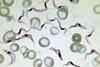 News
NewsScientists solve 40-year-old biological mystery behind sleeping sickness
Scientists have cracked a 40-year-old biological cold case by revealing how the parasite that causes sleeping sickness stays one step ahead of the human immune system.
-
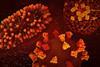 News
NewsNew vaccine strategy could help extend immunity against evolving viruses
Researchers have identified a possible way to make longer lasting vaccines for respiratory viruses like influenza and the coronavirus that causes COVID-19.
-
 News
NewsTides supercharge biochar’s carbon capture power in coastal wetlands
A new field study suggests that adding biochar to costal wetlands could significantly boost their carbon storage capacity, with tidal forces playing a surprisingly beneficial role.
-
 News
NewsEarly pregnancy probiotics may help prevent spontaneous preterm delivery
A new study suggests that probiotics supplementation during early pregnancy may help reduce the risk of recurrent spontaneous preterm delivery (sPTD). Pregnant women who consumed probiotics containing Clostridium butyricum showed lower recurrence rates of sPTD compared with national averages.
-
 News
NewsCall for evidence: Why has the promise of personalised medicine failed to materialise on the ground?
A new inquiry by the UK Parliament’s Science and Technology Committee investigates why the NHS adoption of the UK’s cutting-edge life sciences innovations often fails - and what could be done to fix it. Members of AMI could be just the people to provide answers.
-
 News
NewsResearchers move closer to preventing pandemics
Researchers have developed an AI tool that can help determine whether unfamiliar bacteria carry genetic features linked to disease. By enabling the detection of harmful bacteria before they infect humans, this could transform pandemic preparedness.
-
 News
NewsVitamin D linked to immune response to gut microbiome in inflammatory bowel disease
Vitamin D supplementation may help shape how the immune system responds to gut bacteria in people with inflammatory bowel disease (IBD), according to a new study.
-
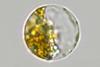 News
NewsWhen algae stop growing, bacteria start swarming
A new study describes how a recently identified species of marine bacteria targets diatoms based on growth phase and nutrient availability.
-
 News
NewsStudy reveals how a live bacterial therapy reshapes the vaginal microbiome and identifies predictors of treatment success
A new study provides the most detailed picture yet of how a promising bacterial therapy works to prevent recurrent bacterial vaginosis (BV) and why it works better for some women than others.
-
 News
NewsDegraded soils can regain microbial diversity with soil microbiome transplants
Scientists have discovered that degraded soils can regain their microbial diversity by combining soil microbiome transplants with artificial humic acid amendments.
-
 News
NewsSpecific patterns of CD39 expression on T-cells of HIV/HCV coinfected patients receiving antiretroviral therapy
Researchers demonstrated that CD4+ T-cells act as the main regulators of purinergic signals in HIV/HCV coinfected and healthy individuals. At the same time, the proportion of CD4+ T-cells involved in the control of purinergic signaling was increased in HIV/HCV coinfected patients compared with healthy subjects.
-
 News
NewsScientists studying bird flu in the air to protect people and agricultural operations
New research will investigate how nonthermal plasmas can render aerosols containing the virus that causes bird flu incapable of infecting humans and livestock. The approach exposes air to strong electric fields, temporarily creating free electrical charges that damage viruses.
-
 News
NewsAging lung cells could be why COVID and flu are so dangerous to the elderly
Older adults are much more likely to become seriously ill from flu or COVID because aging lung cells can drive excessive immune responses, according to a new study led by researchers.
-
 News
NewsNew flu drug discovery could help fight future pandemics
Scientists say that new laboratory tests have revealed a new way to stop flu viruses, which could lead to better treatments and improved pandemic preparedness. The international team has developed experimental compounds that appear to block the virus more effectively than current medicines.
-
 News
NewsMicrobes hold the key to unlocking biochar’s carbon storage potential in soils
A new global analysis reveals that tiny soil microbes play a decisive role in determining whether biochar can effectively lock carbon into agricultural soils, offering new insights for climate change mitigation.
-
 News
NewsOver 250,000 deaths from meningitis globally in 2023; over one third in children under five
In 2023, globally 259,000 people died from meningitis and 2.5 million people were infected with the disease, suggests a study. Although death and infection rates have declined significantly since 1990, progress is insufficient to meet the WHO targets.
-
 News
NewsFiber in whole wheat foods protects against gut inflammation in mice, study finds
Enriching the diet with wheat fiber protects mice against intestinal inflammation, according to a study. The finding helps explain why incidence of inflammatory bowel disease (IBD) has increased, and suggests eating whole wheat foods may reduce one’s risk of developing it.