
All Lung Microbiome articles
-
 News
NewsGut, airway and tumor microbes emerge as promising predictors of immunotherapy response in lung cancer
A comprehensive review systematically evaluates the microbiome’s role in lung cancer immunotherapy. Authors synthesized evidence covering microbial communities in the oral cavity, airways, lung tumors and gut, and their connections to treatment efficacy and immune‑related adverse events.
-
 News
NewsExpert consensus outlines 12 recommendations to prevent secondary mucormycosis after respiratory viral infections
The recommendations focus on defined high-risk patients, early viral testing and treatment, hospital infection control, and practical measures for resource-limited settings.
-
 News
NewsBacteria in classroom dust associated with reduced lung function in children
Common bacteria found in classroom dust are associated with reduced lung function in children according to new research, Children in classrooms with higher levels of Streptomyces had a 0.08 litres lower forced vital capacity (FVC).
-
 News
NewsDifference in clinical characteristics and outcomes between hospital-acquired and community-acquired pleural infection
A critical aspect of managing pleural infection is understanding differences between hospital-acquired and community-acquired forms, as these two entities differ fundamentally in etiology, microbiology, antimicrobial resistance patterns, and patient populations.
-
 News
NewsA bacterial protein fragment drives tissue fibrosis, but antibody treatment can help
A bacterial protein fragment called corisin drives the process of pulmonary fibrosis by infiltrating and disrupting the cell’s quality-control system, researchers found in a new study. Meanwhile, blocking corisin with an antibody impeded the damage.
-
 News
NewsBronchiectasis and NTM Research Registry data featured in four World Bronchiectasis Conference abstracts
The Bronchiectasis and NTM Association announced that research leveraging data from the Bronchiectasis and NTM Research Registry was featured in four abstracts presented at the World Bronchiectasis Conference.
-
 News
NewsFrom infancy to old age, nationwide China study maps how serious lung infections change across life stages
An analysis of 695,142 hospitalized patients identifies eight life-stage pathogen profiles, three co-detection networks, and marked male predominance in bacterial and fungal infections.
-
 News
NewsThe respiratory microbiota in lung cancer: from dysbiosis and immunomodulatory networks to therapeutic opportunities
A comprehensive review reveals that dysbiosis of the respiratory microbiota drives lung cancer through four integrated pathways: oncogenic signaling, epigenetic/metabolic reprogramming, and chronic immune dysregulation.
-
 News
NewsHidden protein linked to severe COVID-19 and lung disease risk
A genetic difference carried by nearly one in three people may increase the risk of severe COVID-19 and lung fibrosis by disrupting the function of a previously unknown protein, according to a new study.
-
 News
NewsResearch team awarded NIH grant to study early immune determinants of human tuberculosis infection
A research team was awarded a 5-year, $3.8 million grant to study early immune responses in the lung and how they influence tuberculosis infection outcomes. The program focuses on how lung immune cells called macrophages influence the earliest stages of tuberculosis infection.
-
 News
NewsAntibiotic proves ineffective in treating wheezing in young children in the emergency room
A study has shown that giving the antibiotic azithromycin did not help preschool children seen in the hospital emergency room with bouts of severe wheezing. It provides more definitive answers to longstanding questions and inconclusive studies about the role of some types of bacteria in wheezing and asthma.
-
 News
NewsResearchers find increased bacteria infection in patients with chronic lung disease
A new study has found that people with bronchiectasis and chronic sinus disease were more likely to have mucus samples that tested positive for Pseudomonas aeruginosa. It suggests that doctors caring for patients with bronchiectasis may need to pay closer attention to sinus disease and bacterial testing.
-
 News
NewsWhat the Andes hantavirus outbreak reveals about pandemic risk
The outbreak of Andes hantavirus aboard the international MV Hondius cruise ship underscores how little scientists still know about the viruses circulating silently in wild rodent populations before they spill into humans.
-
 News
NewsGut microbiota impacts resistance to bacterial pneumonia: Study
A gut-lung connection influences susceptibility to infection by Acinetobacter baumannii, according to a new study. Investigators found that antibiotics disrupt the gut microbiota, suppress protective immune system pathways in the lungs; and increase the severity of pneumonia.
-
 News
NewsAmbient air pollution is associated with respiratory infection burden in the first year of life
Ambient air pollution is associated with respiratory infection burden in the first year of life, according to preliminary findings from the Immune Development in Early Life (IDEaL) Rome Cohort.
-
 News
NewsResearchers explore potential link between COVID-19 and lung cancer risk
New findings have identified a potential association between COVID-19 and increased lung cancer risk, driven by underlying biological mechanisms in the lung. The study integrates human clinical data with mechanistic research in animal and cellular models.
-
 News
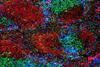
NewsCharacteristics of CD4+T-cell reduction and pulmonary infections in critically ill immunocompromised patients
A new study investigates the relationship between reduced CD4+T-cell counts and lung infections in immunosuppressed patients admitted to intensive care units (ICUs).
-
 News
NewsBoth diseased and healthy lungs contain genes associated with antibiotic resistance
Researchers examined patients with COPD, asthma, pulmonary fibrosis (IPF), and sarcoidosis, and compared them with healthy individuals. The results show that antibiotic resistance genes were present in all groups.
-
 News
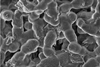
NewsMicrobial warfare helps bacteria evolve, study shows
A study of commensal bacgteria shows that Streptococcus mitis can kill the pathogen Streptococcus pneumoniae during a physiological state known as competence, when bacteria become able to take up DNA from their surroundings.
-
 News
NewsInappropriate antibiotic use for COVID-19 is linked to resistance
Taking azithromycin for as little as one day triggers antibiotic resistance in the respiratory tract, according to a first-of-its kind look by scientists at the changes that occur in the microbiome of hospitalized patients who were treated for COVID-19.