
All Metabolomics articles – Page 2
-
 News
NewsScientists reveal molecular cause behind “stuck” beer fermentation
Premature yeast flocculation (PYF) is a persistent issue in beer brewing, where yeast settles too early during fermentation. New research identifies multiple differential metabolites and confirmed galangin as a key factor that promotes early yeast aggregation.
-
 News
NewsWorld’s largest metabolomic study completed, paving way for predictive medicine
UK Biobank has today released the final set of data on nearly 250 metabolites in half a million volunteers. This completes the world’s largest ever metabolomic study, which will help drive treatment strategies for neurological conditions, heart disease and cancer.
-
 News
NewsMedications change our gut microbiome in predictable ways
A study shows that many of the changes to the gut microbiome are driven by competition for nutrients – medications reduce certain bacterial populations and change the availability of nutrients, and the bacteria most able to capitalize on those changes are the ones to survive.
-
 News
NewsGut microbiota: implications in pathogenesis and potential therapeutic target in primary biliary cholangitis
A new review synthesizes current evidence on gut microbiota dysbiosis in PBC, elucidates its pathogenic mechanisms, and explores its potential as both a diagnostic biomarker and a novel therapeutic target.
-
 News
NewsThe ‘MDME Axis’: A new view on how microbial metabolites epigenetically shape host health
A review introduces the ’MDME Axis’, a new framework explaining how metabolites from the gut microbiome epigenetically reprogram our genes, influencing host health and disease.
-
 News
NewsNew study links gut microbes to common heart disease - suggesting ‘Jekyll and Hyde’ action
Researchers studying gut microbes recently identified 15 bacterial species associated with coronary artery disease. The analysis reveals multiple pathways linked to disease severity, including increased inflammation and metabolic imbalance.
-
 News
NewsNew insights on gut microbes that prevent formation of cancer-causing compounds
Gut microbes metabolize dietary nitrates and nitrites and prevent the formation of cancer-causing compounds called nitrosamines. New research sheds light on these processes and pinpoints which types of bacteria are most important.
-
 News
NewsMissing nutrient in breast milk may explain health challenges in children of women with HIV
A new study reveals that breast milk from women living with HIV contains significantly lower levels of tryptophan, an essential amino acid likely important for infant immune function, growth, and brain development.
-
 News
NewsFertilizer boosts soil’s ability to lock away carbon
The 180-year experiment at Rothamsted — the world’s longest-running agricultural trial — has revealed that long-term application of nitrogen and phosphorus fertilisers can significantly increase the amount of carbon stored in farmland soils, helping to mitigate climate change.
-
 News
NewsA triad of metabolites, targeted microbial delivery, and AI-assisted profiling for precision medicine-food intervention
A new perspective delineates a novel paradigm for precision medicine-food intervention, built upon three interconnected directions: (1) targeting key microbial metabolites, (2) advancing targeted delivery technologies for beneficial microbes, and (3) implementing AI-assisted personalized microbiome functional profiling.
-
 News
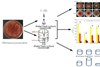
NewsMagnetic fields improve Monascus pigments and inhibit citrinin yield via interfering with the iron metabolism
A research team has reported magnetic fields intensities that could improve the yield of Monascus purpureus fermented products while inhibiting citrinin production without adversely affecting M. purpureus growth.
-
 News
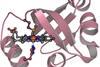
NewsBacterial protein therapy shows promise as first-ever antidote for carbon monoxide poisoning
Researchers have engineered a new molecule that appears promising as an effective antidote for carbon monoxide poisoning with fewer side effects than other molecules currently being tested.
-
 News
NewsStudy finds fungus metabolites may help ghost shrimp survive
Researchers have found that chemical byproducts produced by the amphibian-killing fungus Batrachochytrium dendrobatidis—commonly known as Bd—may actually help ghost shrimp survive.
-
 News
NewsStudy unearths rich rhizodeposits data for better bioenergy crops
Scientists conducted a meticulous analysis of the compounds released by plant roots into their surrounding environment. The analysis yielded an abundance of data that can guide research aiming to improve the way we grow energy and food crops.
-
 News
NewsGut microbes: How many molecules influence our body?
Researchers have precisely quantified how many molecules are produced by gut bacteria and arrive in the body every day, enabling them to calculate how many gut bacteria are used up and regenerated each day.
-
 News
NewsReviving 80-year-old fungi offers new clues for sustainable agriculture
Researchers who revived 80-year-old fungal pathogens from a museum collection found that these pre-Green Revolution strains differ significantly from modern ones, revealing how decades of pesticide use and intensive farming have reshaped plant pathogens.
-
 News
NewsNew research uncovers gut microbe-derived metabolites as potential therapy for obesity-related metabolic disorders
New research reveals that certain gut microbial byproducts may hold promise as a novel therapy for obesity-associated metabolic complications by restoring critical hormone-producing cells in the intestine.
-
 News
NewsNew study reveals how corals teach their offspring to beat the heat
A new study shows that rice coral, an important reef-building species, passes on thermal resistance to their offspring and avoids coral bleaching. Understanding this is important to building healthier coral reefs and protecting their future.
-
 News
NewsNew immunotherapy strategy targets difficult-to-treat brain tumors with gut microbiota
Researchers have demonstrated a new therapeutic strategy that can enhance the efficacy of immunotherapy for brain tumors by utilizing gut microbes and their metabolites. This also opens up possibilities for developing microbiome-based immunotherapy supplements in the future.
-
 News
NewsGut bacteria may hold key to unlocking better cancer treatment
Scientists have discovered a range of microbial ‘biomarkers’ that could help to improve detection and treatment of gastrointestinal diseases (GIDs) such as gastric cancer (GC), colorectal cancer (CRC), and inflammatory bowel disease (IBD).
- Previous Page
- Page1
- Page2
- Page3
- Page4
- Next Page