
All Microbes and Culture articles – Page 2
-
 News
NewsTen years on, the Nagoya Protocol on sharing genetic resources is still confusing scientists - so here’s some much-needed guidance
More than a decade after the Nagoya Protocol, which aims to fairly share the benefits of utilizing genetic resources, became law, scientists still face practical challenges and confusion. A new guide provides universally applicable frameworks for anyone working with biological resources.
-
 News
NewsAncient tooth reveals the bacterium responsible for scarlet fever was not introduced to the Americas by Europeans
A research team has identified the Streptococcus pyogenes bacterium in a pre-Columbian Bolivian mummy and, for the first time, reconstructed the genome of this centuries-old pathogen.
-
 News
NewsInuit recommendations to address high rates of tuberculosis in Nunavik, Quebec
Tuberculosis rates for Inuit living in Nunavik, the Inuit lands in northern Quebec, are 1,000 times greater than among non-foreign-born Quebeckers, and underresourcing of local health care adds to hardship from the disease, found new research.
-
 News
NewsMedieval DNA reveals trans-Saharan connections, rapid genetic mixing, and leprosy in Islamic Ibiza
An international research team has revealed that the population of medieval Ibiza was remarkably diverse. One individual was found to be infected with Mycobacterium leprae, the bacterium responsible for leprosy, marking the first genetically confirmed case from medieval Islamic Iberia.
-
 News
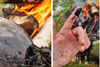
NewsNeanderthals may have used birch tar for its anti-bacterial properties
Scientists extracted tar from modern birch tree bark, specifically targeting species known from Neanderthal sites. When exposed to different strains of bacteria, all tar samples were found to be effective at hindering the growth of Staphylococcus bacteria known to cause wound infections.
-
 News
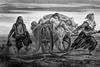
NewsRich medieval Danes bought graves ‘closer to God’ despite leprosy stigma, archaeologists find
Researchers used gravesites to investigate social exclusion based on illness, by studying whether people with leprosy or tuberculosis were kept out of the higher-status areas. Unexpectedly, they found that people who were ill with stigmatized diseases were buried just as prominently as their peers.
-
 Long Reads
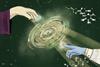
Could spiritual healing sites be fertile ground for new antibiotics?
Common motifs between Streptomyces and sites of spiritual healing may help with the discovery of new sites for bioprospecting. Although there may be a temptation to dismiss the spiritual nature of the healing sites, it is important that researchers begin to understand these in the appropriate cultural and spiritual context.
-
 Features
Cures in crisis: vulnerable fungal species and their role in folk medicine
While the usage of fungi as medicinal solutions has led to important scientific advancements, it has also placed potentially overwhelming pressure on certain fungal species and their natural habitats.
- Previous Page
- Page1
- Page2
- Next Page