
A research team has identified the Streptococcus pyogenes bacterium in a pre-Columbian Bolivian mummy and, for the first time, reconstructed the genome of this centuries-old pathogen.
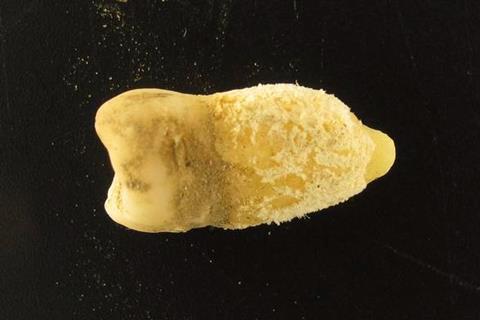
“We weren’t looking for this pathogen specifically,” emphasizes Frank Maixner, director of the Eurac Research Institute for Mummy Studies. “When conducting genetic analyses of mummies, we approach the work with an open mind, analyzing not only human genetic material but also the DNA of the numerous microorganisms present in human remains.”
Among the bacterial DNA traces the researchers found in the tooth, Streptococcus pyogenes was common. Because the pathogen remains medically significant today – with scarlet fever outbreaks on the rise worldwide – the team analyzed this genetic material in greater detail.
De novo assembly
To reconstruct the several-hundred-year-old genome, the researchers used de-novo assembly, an established method of modern genome research that the Institute for Mummy Studies has further developed specifically for highly fragmented ancient DNA. It allows a genome to be reassembled from many DNA fragments without a reference genome as a template.
“You can think of it like putting together a puzzle without knowing the picture on the box,” explains Microbiologist Mohamed Sarhan of Eurac Research, who shares first authorship of the paper with Bolivian biochemist Guido Valverde.
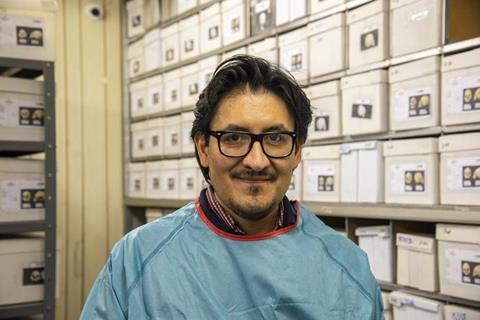
“This method has a major advantage for reconstructing ancient genomes: we are not influenced by modern references – we work without preconceptions. This allows us to discover entirely new insights and also identify genetic variants that may no longer exist today, such as extinct bacterial strains.”
For the field of research, this possibility signifies “something like the beginning of a new era,” adds Maixner.
Well-preserved DNA
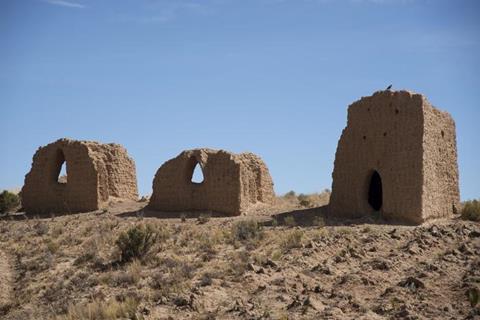
Given its age, the bacterium’s DNA was relatively well-preserved, which the researchers attribute to the dry and cold conditions in the Bolivian highlands. This unique climate also facilitated the natural mummification of the skull – attributed to the Late Intermediate Period (1100 – 1450 AD). Using radiocarbon dating and, according to genetic analyses, it was found that the skull belongs to a young man of indigenous descent. It is likely, as is the case with most of the museum’s other mummies, that the skull was found in a chullpa – one of the typical burial towers of the Bolivian Altiplano.
“The DNA’s excellent preservation enabled us to reconstruct a nearly complete genome, yielding a wealth of information and demonstrating, for example, that the bacterium was already capable of causing disease: the ancient strain carried many – though not all – of the pathogenic genes found in modern Streptococcus pyogenes strains,” explains Valverde. This ancient pathogen was found to be particularly similar to modern strains that primarily cause throat infections.
Overlooked pathogen
During a targeted search of other publicly available datasets of ancient DNA, the researchers found Streptococcus pyogenes in 35 samples from people who lived in Europe about 4,000 years ago, as well as a closely related Streptococcus species in 200-year-old remains of gorillas from Africa, demonstrating that the pathogen was present already in ancient samples but had been overlooked for years.
READ MORE: Uncovering the secrets of the mummy
READ MORE: Malaria pathogen found in mummified soft tissue in Medici tomb
The researchers’ genetic analyses also indicate that the evolutionary lineages of most modern Streptococcus pyogenes strains diverged around 5,000 years ago – during an era when humans were becoming increasingly sedentary and living in closer proximity. This may have facilitated the spread and diversification of the pathogen, which is primarily transmitted through droplet and contact transmission.
The study is part of a large interdisciplinary project that is conducting the first systematic bioarcheological analysis of the mummy collection at the Bolivian National Museum of Archaeology (MUNARQ). It is freely accessible at: https://www.nature.com/articles/s41467-026-71603-9
Topics
- Bacteria
- Bolivian Altiplano
- Bolivian National Museum of Archaeology
- Ecology & Evolution
- Eurac Research Institute for Mummy Studies
- Frank Maixner
- Guido Valverde
- Infectious Disease
- Microbes and Culture
- Microbial Genomics
- Mohamed Sarhan
- mummies
- One Health
- Research News
- Streptococcus pyogenes
- The Americas
- UK & Rest of Europe






No comments yet