
All microplastics articles
-
 News
NewsBlack carbon from wheat straw burning shown to curb antibiotic resistance spread in farmlands with plastic mulch residues
A new study reveals that black carbon formed during wheat straw burning can significantly reduce the spread of antibiotic resistance genes in soil and soybean crops, offering a promising strategy for safer and more sustainable farming in regions burdened by plastic mulch debris.
-
 News
NewsMicroplastics disrupt gut microbiome and fermentation in farm animals
Microplastics, tiny plastic particles pervasive in agricultural environments, interact with and disrupt the microbial ecosystem in the rumen – the first stomach chamber of cattle, reveals an international study.
-
 News
NewsMicroplastics pose a human health risk in more ways than one
A new study shows that microplastics in the natural environment are colonised by pathogenic and antimicrobial resistant bacteria. The study team calls for urgent action for waste management and strongly recommends wearing gloves when taking part in beach cleans.
-
 News
NewsEmerging pollutants threaten efficiency of wastewater treatment: New review highlights urgent research needs
A new scientific review has shed light on how emerging pollutants commonly found in wastewater are disrupting biological phosphorus removal processes, posing risks to water quality and ecological health. The study examines how pharmaceuticals, microplastics, and industrial chemicals interfere with the key microorganisms responsible for phosphorus removal in wastewater treatment plants.
-
 News
NewsStudy unveils effects of microplastics on the Nu River sediment microbial community and greenhouse gas emissions:
Microplastics (MPs) in river ecosystems significantly affect sediment microbial communities and biogeochemical cycling. This study compared the effects of conventional polyvinyl chloride (PVC) and biodegradable polylactic acid (PLA) on sediment microbial communities and GHG emissions.
-
 News
NewsMicroplastics found to change gut microbiome in first human-sample study
New research presented today at UEG Week 2025 shows that microplastics can alter the human gut microbiome, with some changes resembling patterns linked to depression and colorectal cancer.
-
 News
NewsBacteria that ‘shine a light’ on microplastic pollution
Researchers have developed a living sensor that attaches to plastic and produces green fluorescence. In an initial test on real-world water samples, the biosensor could easily detect environmentally relevant levels of microplastics.
-
 News
NewsStudy reveals the microbial battlegrounds within estuaries - and the part played by microplastics
Estuaries are known hotspots for biodiversity and are turbulent mixing zones where freshwater and seawater microbes confront one another. Source: Jeff Schmaltz, MODIS Land Rapid Response Team, NASA GSFC The Moderate Resolution Imaging Spectroradiometer (MODIS) aboard NASA’s Aqua satellite captured this true-color image of the Baltic Sea ...
-
 News
NewsStudy uncovers how the plastisphere can influence growth of harmful algal blooms
A new study published in Sustainable Microbiology delves into how the age and size of microplastics affects the growth of harmful algal blooms.
-
 Opinion
The problem of microplastics in the oceans: it’s time for effective solutions
Francielly Bruna Neto Francisco and Ricardo Henrique Krüger, from the University of Brasília (UNB), warn that we urgently need technologies that will effectively eliminate partially or nonbiodegradable polymers from the marine environment.
-
 News
NewsHidden threats to soil revealed in sewage sludge research
Hidden threats from the agricultural use of contaminated sewage sludge could be contributing to already diminished poor soil health, according to a new report.
-
 News
NewsPlastic-eating enzyme identified in wastewater microbes
Plastic pollution is everywhere, and a good amount of it is composed of polyethylene terephthalate (PET, ♳). This polymer is used to make bottles, containers and even clothing. Now, researchers report in ACS’s Environmental Science & Technology that they have discovered an enzyme that breaks apart PET ...
-
 News
NewsBacterial contamination and microplastics threaten Colombia’s largest and most productive coastal lagoon
A study warns of the presence of potentially pathogenic bacteria in microplastics extracted from water, sediments and the digestive tract of fish in the Ciénaga Grande de Santa Marta, the largest and most productive coastal lagoon system in the Colombian Caribbean.
-
 News
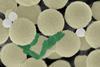
NewsSwarms of miniature robots clean up microplastics and microbes simultaneously
A study describes swarms of microscale robots (microrobots) that captured bits of plastic and bacteria from water. Afterward, the bots were decontaminated and reused.
-
 Features
Under the microscope: microplastics
Examining the issue of plastic pollution with a round-up of microbial advances from the last few years.
-
 News
NewsMicroplastics affect soil fungi depending on drought conditions
Moisture levels in the soil can impact the effects that microplastic pollution has on soil fungi, according to new research published in Environmental Microbiology, an Applied Microbiology International publication.
-
 News
NewsResearchers uncover how tiny plastics threaten our soil and health
A new study has found that both nanoplastics and microplastics alter soil microbes and increase antibiotic resistance. Nanoplastics, due to their small size and large surface area, had a more significant impact, even in small quantities.
-
 News
NewsArtificial intelligence predicts the influence of microplastics on soil properties
Scientists used machine learning to reveal how different characteristics of soil microplastics can significantly alter soil properties.
-
 News
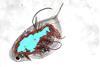
NewsExperiment shows biological interactions of microplastics in watery environment
Microplastic-induced eating difficulties limit the ability of zooplankton to control algal proliferation, researchers have found.
-
 News
NewsSoil microplastics could usher superbugs into food supply
Micro- and nanoplastics in agricultural soil could contribute to antibiotic resistant bacteria with a ready route into our food supply, a new study warns.