
More Asia & Oceania News – Page 17
-
 News
NewsFermented stevia leaf extract has potential as anticancer treatment, researchers find
Stevia may provide more benefits than as a zero-calorie sugar substitute. When fermented with bacteria isolated from banana leaves, stevia extract kills off pancreatic cancer cells but doesn’t harm healthy kidney cells, according to a research team.
-
 News
NewsStudy uncovers the hidden emerging pathogen behind Aspergillosis cases in Japan
Scientists have discovered the ancestral evolutionary links of Aspergillus latus strains through in-depth genome sequencing analyses.
-
 News
NewsTumor-targeting fluorescent bacteria illuminate cancer for precision surgery
Researchers have developed a next-generation intraoperative imaging platform using engineered beneficial bacteria that emit fluorescence specifically at tumor sites. This illuminates tumors like a neon sign during surgery, enabling more precise resection and reducing risk of recurrence.
-
 News
NewsStudy proposes first toxicity-based exposure limits proposed for indoor airborne fungi
A new study provides the first species-specific health risk estimates for indoor airborne microbes based on animal toxicity data. This is the first study to estimate human health risks from indoor microbes using benchmark doses derived from animal toxicity data.
-
 News
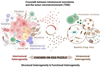
NewsHow tumor microbes shape cancer: New insights into microbial diversity in the tumor microenvironment
Intratumoral microbiota—the microbial populations residing within solid tumors—have emerged as pivotal components of the tumor microenvironment (TME), influencing tumor initiation, progression, and therapeutic outcomes.
-
 News
NewsMetabolic engineering boosts yeast antioxidant power for drug production
A recent study engineered the yeast Candida glabrata to boost its resistance to oxidative stress, a common challenge in industrial bioproduction. The team enhanced the yeast’s ability to produce malate, a key molecule linked to antioxidant activity.
-
 News
NewsFirst global-to-local study reveals stark health inequalities from COVID-19 in 2020–2021
An international research team has conducted the first comprehensive global-to-local assessment of the direct health burden of COVID-19, spanning 920 locations worldwide and revealing pronounced and widespread disparities in COVID-19 outcomes across and within areas.
-
 News
NewsDeep life’s survival secret: Crustal faulting generates key energy sources for microbes, study shows
Researchers have identified how microbes in deep subsurface areas can derive energy from chemical reactions driven by crustal faulting, offering critical insights into life deep below Earth’s surface.
-
 News
NewsScientists discover tRNA methyltransferase with an unusual domain architecture and functional features
Scientists identified and characterized a novel tRNA modification enzyme in the hyperthermophilic archaeon Thermococcus kodakarensis.
-
 News
NewsTaking the sting out of ulcerative colitis
Researchers reveal that the intestinal flora works in combination with the mutated OTUD3 gene and STING signaling to aggravate ulcerative colitis.
-
 News
NewsOmicron strain BA.2.86 emergence ‘defies natural explanation’
A researcher investigating the origin of the BA.2.86 lineage found that sporadic cases were identified in multiple, geographically distant locations around the world during its initial appearance in the summer of 2023.
-
 News
NewsHow do traditional and biodegradable microplastics affect agricultural ecosystems?
With biodegradable plastics viewed as potential alternatives to traditional plastics in agriculture, researchers investigated the differences in their impacts on agricultural fields and the health of the crop-soil system.
-
 News
NewsDual lifestyle plant fungus turns ally, protecting cereal crops against harmful Fusarium infections
A plant-friendly fungus that colonises cereal crops can protect the plants against harmful fungal infestations, a new study reveals.
-
 News
NewsBacteria gene discovery enhances key antibiotic production for farming and medicine
Monensin is a vital antibiotic used in agriculture and medicine. By analyzing the genome of Streptomyces cinnamonensis, the team discovered that specific genes (fadD, fadE, fadB, fadA) in the fatty acid degradation pathway significantly boost monensin synthesis.
-
 News
NewsEngineered microbe offers promising high-quality protein from methanol
Researchers have identified Methylophilus sp. HN238, a bacterium capable of efficiently converting methanol into high-quality protein. The protein meets WHO standards for quality, containing all 18 amino acids with essential amino acids making up 44.1% of the composition.
-
 News
NewsMicroalgae-based production of dietary protein using solar-derived formate
Researchers have established a robust Chlamydomonas reinhardtii cultivation system capable of rapid growth using formate as the carbon source. They achieved successful algal cultivation at 200 mM formate concentration - the highest level ever reported in microalgae systems.
-
 News
NewsH5N1 influenza outbreaks in US cattle likely triggered by ‘milk-stealing’ behavior of lactating cows
As of June 2025, H5N1 outbreaks have been reported on more than 1,070 dairy farms across 17 US states. Researchers have solved the mystery of how H5N1 virus enters the mammary glands of dairy cows, and provide a strategy on how to control the disease.
-
 News
NewsResearchers engineer a microbial platform for efficient lutein production
The application of systems metabolic engineering strategies, and construction of an electron channeling system, has enabled the first gram-per-liter scale production of lutein from Corynebacterium glutamicum, providing a viable alternative to plant-derived lutein production.
-
 News
NewsEmerging viral threats combatted by a potent new dual lipid kinase inhibitor
Lipid kinases play a critical role in cell signalling and membrane trafficking by phosphorylating lipid molecules in the body. The inhibition of two of these lipid kinases, PIKfyve and PIP4K2C, could be beneficial in the treatment of diseases, particularly emerging viruses.
-
 News
NewsAcupuncture eases opioid therapy, rebalancing gut microbiota, study shows
Acupuncture significantly lowers methadone doses for people undergoing treatment for opioid use disorder, while restoring antiviral immune responses and rebalancing gut microbiota and metabolism, according to a new study.