
More News – Page 48
-
 News
NewsRobotics meets genetics: Joining forces to explore Fusarium
Two research groups are bringing together two complementary scientific approaches to discover new antifungal agents – targeting Fusarium, but also those derived from Fusarium.
-
 News
NewsRapid urine test could select UTI antibiotics within hours
Patients with urinary tract infections (UTIs) could receive the right antibiotic far sooner, thanks to a new test that produces results within hours rather than days.
-
 News
NewsInto the fungal unknown: New tool maps fungal gene functions without reference genomes
Researchers have created a fungal-specific workflow that supports downstream functional analysis regardless of whether a reference genome is available.
-
 News
NewsGetting a glimpse of viral dances in the dark in the Sargasso Sea
In a new study of viral abundance over a short time frame in the Sargasso Sea, researchers found that almost all viruses with cyclical changes in abundance were most active at night – a somewhat surprising find.
-
 News
NewsBoth diseased and healthy lungs contain genes associated with antibiotic resistance
Researchers examined patients with COPD, asthma, pulmonary fibrosis (IPF), and sarcoidosis, and compared them with healthy individuals. The results show that antibiotic resistance genes were present in all groups.
-
 News
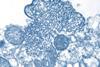
NewsNipah virus hijacks host protein NSUN2 to fuel replication
Researchers have decoded a critical survival strategy of the deadly Nipah virus (NiV), identifying a key host protein hijacked by the pathogen and translating this discovery into a promising new treatment approach.
-
 News
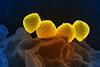
NewsResearch cracks genetic code of growing bacterial threat
Scientists have discovered that a fast‑rising strep bacterium comes in more forms than expected, including ones that may lead to life-threatening infections. Streptococcus dysgalactiae subspecies equisimilis (SDSE) was originally considered rare and was believed to mostly infect people who already had other health issues.
-
 News
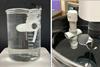
NewsStopping algae blooms with bacteria-busting buoys
Algae blooms make a pond’s surface shine in mesmerizing green hues. But if the microorganisms responsible are cyanobacteria, they can also release toxins that harm humans and wildlife alike. So, a team reporting in ACS ES&T Water has designed a “set it and forget it” system for distributing algaecide using ...
-
 News
NewsA natural molecule present in the human body protects against the flu
A research team has demonstrated that dermcidin, an antimicrobial peptide produced constitutively by the human body, also exhibits antiviral activity against the influenza virus. People who do not develop flu-like symptoms have higher baseline levels of this molecule.
-
 News
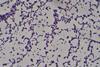
NewsCopper-loaded starch nanoparticles can target bacteria in microbial communities
Researchers have developed copper-loaded starch nanoparticles that can be broken down by specific bacteria to release antibacterial copper molecules. They hope that these nanoparticles can be used to target biofilms, which account for 50-70% of healthcare-associated infections.
-
 News
NewsHow bacteria outsmart the immune system: Two-pronged strategy revealed
A team has uncovered how a common bacterial pathogen uses a single protein to quietly undermine the human immune system, by both shutting down key warning signals and blocking the cell’s ability to restore them.
-
 News
NewsSoil bacteria break down toxic chemicals in the environment
Soil bacteria can help to break toxic aromatic compounds down. For one of these, Rhodococcus opacus 1CP, researchers have analyzed the genome and identified many potential metabolic pathways that the bacterium can employ to act as a ‘clean-up specialist’.
-
 News
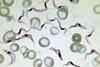
NewsScientists solve 40-year-old biological mystery behind sleeping sickness
Scientists have cracked a 40-year-old biological cold case by revealing how the parasite that causes sleeping sickness stays one step ahead of the human immune system.
-
 News
NewsNew vaccine strategy could help extend immunity against evolving viruses
Researchers have identified a possible way to make longer lasting vaccines for respiratory viruses like influenza and the coronavirus that causes COVID-19.
-
 News
NewsTides supercharge biochar’s carbon capture power in coastal wetlands
A new field study suggests that adding biochar to costal wetlands could significantly boost their carbon storage capacity, with tidal forces playing a surprisingly beneficial role.
-
 News
NewsEarly pregnancy probiotics may help prevent spontaneous preterm delivery
A new study suggests that probiotics supplementation during early pregnancy may help reduce the risk of recurrent spontaneous preterm delivery (sPTD). Pregnant women who consumed probiotics containing Clostridium butyricum showed lower recurrence rates of sPTD compared with national averages.
-
 News
NewsCall for evidence: Why has the promise of personalised medicine failed to materialise on the ground?
A new inquiry by the UK Parliament’s Science and Technology Committee investigates why the NHS adoption of the UK’s cutting-edge life sciences innovations often fails - and what could be done to fix it. Members of AMI could be just the people to provide answers.
-
 News
NewsResearchers move closer to preventing pandemics
Researchers have developed an AI tool that can help determine whether unfamiliar bacteria carry genetic features linked to disease. By enabling the detection of harmful bacteria before they infect humans, this could transform pandemic preparedness.
-
 News
NewsVitamin D linked to immune response to gut microbiome in inflammatory bowel disease
Vitamin D supplementation may help shape how the immune system responds to gut bacteria in people with inflammatory bowel disease (IBD), according to a new study.
-
 News
NewsWhen algae stop growing, bacteria start swarming
A new study describes how a recently identified species of marine bacteria targets diatoms based on growth phase and nutrient availability.