
More USA & Canada News – Page 24
-
 News
NewsHow fungus powers plant life in extreme environments
A new experiment suggests dark septate endophytes (DSEs) may be capable of linking the roots of neighboring plants to facilitate water sharing and boost their host’s biomass, and may even be keeping plant networks alive in drought-prone areas.
-
 News
NewsNew tool helps predict antibiotic resistance
Researchers have developed a platform that identifies drug resistance genes already circulating in the environment before they emerge in the clinic and directly couples this information to the design of resistance-evasive antibiotics.
-
 News
NewsAntiviral treatment fails to slow early-stage Alzheimer’s
A clinical trial has found that a common antiviral for herpes simplex infections, valacyclovir, does not change the course of the disease for patients in the early stages of Alzheimer’s.
-
 News
NewsTrapping gut bacteria’s hidden fuel improves blood sugar and liver health, study shows
Scientists have discovered a surprising new way to improve blood sugar levels and reduce liver damage: by trapping a little-known fuel made by gut bacteria before they wreak havoc on the body. It could open the door to new therapies to treat metabolic diseases.
-
 News
NewsNew research uncovers gut microbe-derived metabolites as potential therapy for obesity-related metabolic disorders
New research reveals that certain gut microbial byproducts may hold promise as a novel therapy for obesity-associated metabolic complications by restoring critical hormone-producing cells in the intestine.
-
 News
NewsWhy you may get future vaccines via dental floss
Researchers have demonstrated a novel vaccine delivery method in an animal model, using dental floss to introduce vaccine via the tissue between the teeth and gums. It stimulates the production of antibodies in mucosal surfaces, such as the lining of the nose and lungs.
-
 News
NewsTiny artificial cells can keep time, study finds
A team of researchers has shown that tiny artificial cells can accurately keep time, mimicking the daily rhythms found in living organisms like cyanobacteria. Their findings shed light on how biological clocks stay on schedule despite the inherent molecular noise inside cells.
-
 News
NewsEconomically disadvantaged patients at greater risk for long COVID
A study found that people with social risk factors including economic instability and food insecurity at the time of COVID-19 infection were at greater risk for long COVID.
-
 News
NewsStudy identifies gene clusters in rhizobia linked to robust legume growth
A new study identified clusters of rhizobial genes that appear to move rapidly through bacterial populations and drive greater plant biomass in host plants. Understanding the interplay of host and bacterial genomes will help to optimize plant growth by improving the rhizosphere.
-
 News
NewsAI poised to revolutionize Lyme disease testing and treatment
Researchers unveiled a blood test developed with the help of artificial intelligence (AI) that identifies Lyme disease sooner and more accurately than the current standard — and that could translate to vastly improved patient outcomes.
-
 News
NewsNew study unlocks molecular defense against devastating potato pathogen
A team of plant scientists has made a significant breakthrough in understanding how potato plants defend themselves against a soilborne pathogen that causes powdery scab, an emerging and economically damaging disease affecting potato crops worldwide.
-
 News
NewsEngineers take a closer look at how a plant virus primes the immune system to fight cancer
Scientists took a closer look at how the cowpea mosaic virus (CPMV), unlike other plant viruses, is uniquely effective at activating the body’s immune system to recognize and attack cancer cells.
-
 News
NewsFungicides intended to suppress turfgrass diseases may damage fairways
Golf course managers have much more insight into which fungicides to use to suppress turfgrass diseases, such as the common and costly dollar spot disease, without damaging the grass on their fairways, thanks to a new study.
-
 News
NewsGut microbiome may predict “invisible” chronic fatigue syndrome and long COVID
Millions suffering from myalgic encephalomyelitis/chronic fatigue syndrome (ME/CFS) may be closer to personalized care, according to new research that shows how the disease disrupts interactions between the microbiome, immune system, and metabolism.
-
 News
NewsBird-to-human jump by trichomonas parasites illuminated in new study
A new study reveals how genetic changes in the parasite responsible for one of the world’s most common sexually transmitted infections may have helped it adapt to human hosts.
-
 News
NewsHow plants are learning to spot sneaky bacterial invaders
Scientists used artificial intelligence to help plants recognize a wider range of bacterial threats — which may lead to new ways to protect crops like tomatoes and potatoes from devastating diseases.
-
 News
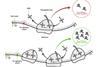
NewsNew AI tool accelerates mRNA-based treatments for viruses, cancers, genetic disorders
A new artificial intelligence model can improve the process of drug and vaccine discovery by predicting how efficiently specific mRNA sequences will produce proteins, both generally and in various cell types.
-
 News
NewsScientists call for urgent policy reform to accelerate cross-border coral restoration efforts
An international team of coral scientists is calling for urgent regulatory reform to support assisted gene flow (AGF)—a powerful tool to boost coral resilience—before climate change causes further reef decline and irreversible damage to coral ecosystems.
-
 News
NewsImmunity to seasonal flu protects against severe illness from bird flu in ferrets
A study in ferrets — which have remarkably similar respiratory systems to humans — suggests that widespread immunity to H1N1 seasonal influenza virus may explain why exposure to H5N1 bird flu causes only mild symptoms in humans.
-
 News
NewsNewly discovered ‘sixth sense’ links gut microbes to the brain in real time
Researchers have uncovered what they call a “neurobiotic sense,” a newly identified system that lets the brain respond in real time to signals from microbes in our gut. Tiny sensor cells lining the colon’s epithelium detect a microbial protein and send rapid messages to the brain.