
More USA & Canada News – Page 30
-
 News
NewsMachine learning method helps bring diagnostic testing out of the lab
A new point-of-care biosensing method, dubbed LOCA-PRAM, improves the accessibility of biomarker detection by eliminating the need for technical experts to perform the image analysis.
-
 News
NewsPaper-based devices diagnose malaria in asymptomatic people
Devices made with cheap strips of paper have outperformed two other testing methods in detecting malaria infection in asymptomatic people in Ghana – a diagnostic advance that could accelerate efforts to eliminate the disease, researchers say.
-
 News
NewsScientists team up to identify infectious diseases using AI and hyperspectral imaging
A collaboration will expand patented technology to detect viral signatures in animals. ESS Protect – Animal will offer rapid, non-invasive, and contactless screening for bovine respiratory disease (BRD) using hyperspectral imaging and advanced machine learning.
-
 News
NewsImmune tolerance to gut microbes is initiated by a key bacterial sensor
A study has found that the body’s immune “tolerance” to gut microbes depends on an ancient bacterial-sensing protein called STING—normally considered a trigger for inflammation.
-
 News
NewsLaunch of first-in-human clinical trial of next-generation rotavirus vaccine delivered via dissolvable microarray technology
Scientists have announced the first clinical trial of a novel rotavirus vaccine, CC24, delivered via dissolvable microarray technology, is now enrolling participants.
-
 News
NewsStudy highlights role of jaundice-associated pigment in protecting against malaria
New research suggests that a pigment that causes yellowing of the skin, or jaundice, may help protect people from the most severe consequences of malaria.
-
 News
NewsBroad-spectrum coronavirus drug developed through AI-enabled dynamic modeling
Multidisciplinary AI- and physics-driven modeling of the viral fusion process enables discovery of an orally available drug inhibiting infection with multiple coronaviruses.
-
 News
NewsResearchers discover protein necessary for SARS-CoV-2 to evade the body’s defenses
Researchers have identified a protein that plays a key role in helping SARS-CoV-2 hide from the body’s defenses by suppressing the production of viral double-stranded (dsRNA), leading to increased viral replication while limiting the body’s immune response.
-
 News
NewsEvolutionary model for antibiotic resistance reveals dose timing critical to care
The study that uses a “fitness seascape” to incorporate a patient’s dosage schedule into models that predict whether an infection will develop antibiotic resistance has found that inconsistent timing and missing early doses can lead to treatment failure.
-
 News
NewsMicrobiome stability shapes how corals withstand extreme heat
A new study reveals why some corals resist bleaching while others don’t: the answer lies in a complex partnership between corals and their microbial allies, shaped by the history of the waters they inhabit.
-
 News
NewsScientists develop a treatment platform to disable the ‘biofilm’ shield of superbugs
Researchers have developed a platform that utilizes microbubbles to deliver gene-targeted nanoparticles capable of breaking down MRSA biofilms, offering an innovative solution for treating infections resistant to conventional antibiotics.
-
 News
NewsVaccinated patients hospitalized with COVID-linked acute kidney injury less likely to need dialysis after discharge
Vaccinated patients hospitalized with COVID-19 who developed acute kidney injury had better outcomes than unvaccinated patients with the same condition, new research suggests. The study found vaccinated patients were less likely to stay on dialysis after discharge, and more likely to survive, than unvaccinated patients.
-
 News
NewsWhen bacteria get hungry, they kill – and eat – their neighbors
Scientists have discovered a gruesome microbial survival strategy: when food is scarce, some bacteria kill and consume their neighbors. The researchers show that under nutrient-limited conditions, bacteria use a specialized weapon — the Type VI Secretion System (T6SS) — to attack, kill, and slowly absorb nutrients from other bacterial cells.
-
 News
NewsIs your gut microbiome a calorie ‘super harvester’?
A little-known microbe makes methane in your gut — and may help you get more calories from food, according to a new study. Researchers found that people whose gut microbiomes produce a lot of methane are especially good at unlocking extra energy from a high-fiber diet.
-
 News
NewsStudy indicates that severe forms of COVID-19 infection in children may increase cardiovascular disease risks
Scientists analysed blood samples from 147 children across different COVID-19 conditions and identified significant metabolic disruptions beyond the acute viral infection phase. These alterations affect how the body processes fats (triglycerides and cholesterol) critical to healthy heart structure.
-
 News
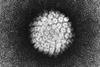
NewsHPV drives tumor development in rare nasal cancers
Human papillomavirus (HPV) can drive tumor development in some rare sinonasal squamous cell carcinomas (SNSCCs), according to a new comprehensive study of these tumors from investigators who also identified common mutations among these cancers and a potential combination treatment.
-
 News
NewsNew research reveals a deadly fungal pathogen’s vulnerabilities
Scientists have disovered how the lethal pathogenic fungus, Cryptococcus neoformans, thrives, allowing them to identify potential novel therapeutic targets for treatment.
-
 News
NewsA repurposed FDA-approved drug shows promise in killing antibiotic resistant bacteria
A study of Acinetobacter baumannii employed an entirely new strategy to identify weaknesses specific to resistant bacteria and then target these weaknesses with an alternate drug. They found that fendiline kills the bacterium by targeting the essential lipoprotein trafficking pathway, which is weakened in antibiotic resistant bacteria.
-
 News
NewsSHEA affirms trust in ACIP and supports science-based vaccine policy
Public health experts have commented on the removal by the US Department of Health and Human Services (HHS) of all 17 members of the Advisory Committee on Immunization Practices (ACIP), which advises the Centers for Disease Control and Prevention (CDC) on the use of vaccines in the US.
-
 News
NewsPeople with COVID-like symptoms took up to nine months post-infection to regain mental well-being
New research finds that people with COVID-like symptoms returned to optimal physical well-being an average of three months after infection, but took up to nine months to return to top mental well-being.