
More USA & Canada News – Page 60
-
 News
NewsHealing the gut can reduce long-term impact of stroke, new research finds
A new study found that a drug that was effective at protecting the brain in the immediate aftermath of a stroke failed to prevent long-term cognitive impairment when applied only to the brain. The same drug, when applied to the gut, reduced impairment significantly.
-
 News
NewsUsing antibiotics alone to treat children with appendicitis is a cost-effective and safe alternative to surgery
An analysis of data from more than 1,000 children with uncomplicated acute appendicitis found an antibiotics-only approach resulted in less pain and fewer days off from school during the first year after the initial hospital visit.
-
 News
NewsResearchers find that intestinal infections change bile composition
Intestinal infections can change the composition of liver bile, leading to changes in immune function and gut bacteria, potentially helping fight off harmful bacteria.
-
 News
NewsUniversity of Miami, partners awarded $16 million NOAA grant for groundbreaking coral restoration project
Scientists have been awarded a four-year, $16 million grant to lead an ambitious program to implement and scale-up new approaches to increase the climate resilience of Florida’s restored coral reefs.
-
 News
NewsHot water best for sanitizing in-shell pecans, sanitizers prevent cross-contamination
To identify best practices for microbial safety in the pecan market, scientists conducted a study to evaluate methods of sanitizing pecans against Shiga toxin-producing E. coli, also known as STEC.
-
 News
NewsMost U.S. adults surveyed trust store-bought turkey is free of contaminants, despite fecal bacteria being found in ground turkey
More than six out of 10 U.S. adults say they wouldn’t eat turkey contaminated with feces, yet consumer research has shown more than half of store-bought packages of ground turkey tested positive for it.
-
 News
NewsUniversity awarded $1.5 million to study vaginal bacterial disorder linked to serious health risks
With a $1.5 million grant from the National Institutes of Health (NIH), researchers at the Case Western Reserve School of Medicine will study the dynamics of bacterial vaginosis in hopes of identifying a more effective approach.
-
 News
NewsSub-Saharan Africa leads global HIV decline: Progress made but UNAIDS 2030 goals hang in balance
A new study reveals significant progress in the global fight against HIV/AIDS, alongside a stark warning that current trends indicate the world is not on track to meet the ambitious UNAIDS 2030 targets.
-
 News
NewsProbiotic may counteract fire-retardant chemical damage
A mouse study reports that probiotic supplementation can reduce the negative impacts of polybrominated diphenyl ethers, or PBDEs - fire-retardant chemicals - on neurodevelopment, behavior, and metabolism.
-
 News
NewsParkinson’s drug changes the gut microbiome for the worse due to iron deficiency
Scientists have revealed that the widely prescribed Parkinson’s disease drug entacapone significantly disrupts the human gut microbiome by inducing iron deficiency.
-
 News
NewsFinding a preventative solution to a billion-dollar poultry problem
A poultry science researcher is evaluating a new possible solution to losses due to necrotic enteritis, using a novel vaccine combined with a bile acid regimen.
-
 News
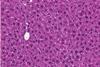
NewsScientists implicate a novel cellular protein in hepatitis A infection
Viruses have thrived in humans for tens of thousands of years, evolving to take advantage of the machinery of cells to replicate and survive inside us. Some can slip past our defenses and invade without even causing symptoms. Source: Shirasaki et al. (2024) (Left) Liver cells infected with ...
-
 News
NewsNew mechanism to fund clinical studies addressing the impact of diet, nutrition, and microbiome on lupus
The unique IDEAL (Investigate Dietary Approaches for Lupus) Initiative will provide multi-disciplinary research teams the opportunity to conduct innovative and much-needed research of diet in lupus.
-
 News
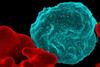
NewsHow protective antibodies get in malaria’s way
Researcher’s structural insights help reveal weak spot in parasite’s plan of attack which could help guide vaccine design.
-
 News
NewsGut feelings: Social connections change our microbiomes
Friends tend to share common interests, tastes, lifestyles, and other traits, but a new Yale-led study demonstrates that similarities among buddies can also include the makeup of the microbes lining their guts. The study, published Nov. 20 in the journal Nature, examined the relationship between the structure ...
-
 News
NewsThe mystery of the secretly sexual lichens
Researchers were shocked to find that a type of lichen called Lepraria, long assumed to be asexual, still has the genes that govern sexual reproduction.
-
 News
NewsStudy uncovers key heart responses to viral infection
Researchers at the University of Virginia have made a significant discovery that could change how doctors treat viral infections of the heart. Source: UVA Engineering Kevin Janes, University of Virginia John Marshall Money Professor, Department of Biomedical Engineering and Department of Biochemistry & Molecular Genetics. The ...
-
 News
NewsScientist developing probiotics to combat bovine respiratory disease
A new research project aims to develop probiotics derived from healthy cattle to prevent bovine respiratory disease, which is estimated to be responsible for about 70 to 80 percent of feedlot illnesses, and between 40 and 50 percent of all feedlot deaths in the US.
-
 News
NewsHuman antibodies could prevent the malaria parasite from causing life-threatening infections
Malaria, particularly in its severe forms, remains a global health and economic burden. It causes the deaths of more than 600,000 people every year – most of them African children under five. In a new study, published in the journal Nature, researchers from EMBL Barcelona, the University of Texas, the ...
-
 News
NewsProbiotic delivers anticancer drug to the gut
Researchers have engineered a probiotic that delivers immunotherapy directly to the gut to shrink tumors in mice, offering a potentially promising oral drug for hard-to-reach cancers.