
Acne is a common skin condition affecting a significant portion of the global population, often causing physical and psychological distress.

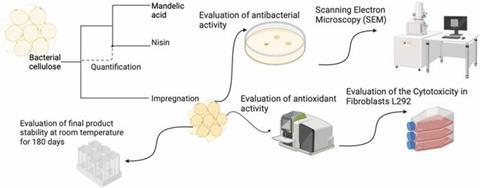
This study developed a bacterial cellulose-based delivery system loaded with nisin and mandelic acid, targeting acne treatment within the Clean Beauty framework.
Bacterial cellulose, derived from Komagataebacter xylinus, served as a biocompatible, biodegradable matrix capable of controlling the release of bioactive compounds.
Antibacterial activity
The system exhibited strong antibacterial activity against both standard and skin-derived acne-causing bacteria, along with notable antioxidant properties. Controlled release tests showed peak delivery of actives at 300 min, while stability studies confirmed the retention of antibacterial and antioxidant functions for up to 180 days.
READ MORE: Dissolved bubble microneedles enable more efficient therapy of acne vulgaris
READ MORE: New pimple patches deliver a powerful remedy to unwanted zits
Minimal cytotoxicity observed in fibroblast cells highlights the safety of the formulation. By combining natural antimicrobials and exfoliants with a sustainable polymer carrier, the study presents an effective, environmentally friendly alternative to conventional acne therapies.
This approach, highlighted in the Journal of Dermatologic Science and Cosmetic Technology, not only addresses key limitations of current topical treatments but also offers a promising platform for future dermocosmetic products that are both skin-friendly and eco-conscious.

No comments yet