
Typically, wastewater treatment systems employ a septic tank to collect and partially decompose solids in the wastewater effluent from the septic tank. One known design is the Septic Tank Soil Adsorption System (SAS), in which septic tank effluent (STE) is directed to a soil treatment unit for secondary treatment. However, such systems offer poor nitrogen removal.
Another known design is the Nitrogen Removing Biofilter (NRB), in which the STE is pumped from the septic tank to a treatment system comprising a nitrification sand layer. Oxygen is provided to the sand layer by natural aeration, and nitrification occurs. Nitrification is the conversion of ammonia nitrogen to nitrate nitrogen.
While this design can achieve the desired low effluent nitrogen concentration, it requires a large ground footprint and incurs a high implementation cost. Additionally, the performance of both NRB and SAS designs is highly variable with daily STE flow, which can lead to inefficient bacterial conversion of ammonia nitrogen to nitrogen gas.
Thus, there is a need for a nitrification and denitrification method and process/system that achieves high levels of nitrogen removal, meets low effluent nitrogen concentration requirements, maintains low levels of organic material, has a small footprint, and is economically efficient to implement and maintain.
Technology overview
Researchers at Stony Brook University (SBU) have presented a method for the nitrification and denitrification of septic effluent that comprises an intermediate nitrification/denitrification bioreactor and builds on concepts currently used in the design of full‑scale wastewater treatment plants.
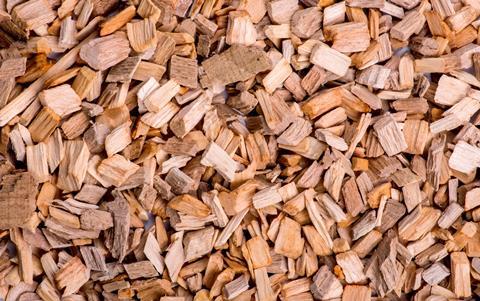
However, this design uses wood chips directly after a sand filter. During the process, a portion of the sand filter effluent is recycled into an intermediate wood-chip “box” for the partial conversion of nitrates to nitrogen gas. The blend of septic tank effluent and nitrate reduced recycle is put back into the sand filter.
The use of wood chips enables successful denitrification while reducing the size of component systems, thereby lowering costs.
Factfile
- More affordable
- Reduced system component sizes
Applications:
- Wastewater treatment
Intellectual Property Summary:
- US11851356
- CA3163327





No comments yet