
As antibiotic resistance increasingly undermines long-standing treatments, extending the lifespan of existing drugs has emerged as a faster and more affordable alternative to developing new antibiotics. New antibiotic discovery typically requires over a decade and more than a billion dollars, while resistance can arise within only a few years, contributing to a sharp decline in newly approved drugs.
Antibiotic adjuvants—non-antibiotic compounds that enhance existing therapies—have therefore attracted growing interest, although effective options remain limited. Phenolic acids, small plant metabolites involved in natural defense, exhibit antimicrobial and antioxidant properties but have rarely been systematically evaluated as antibiotic enhancers.
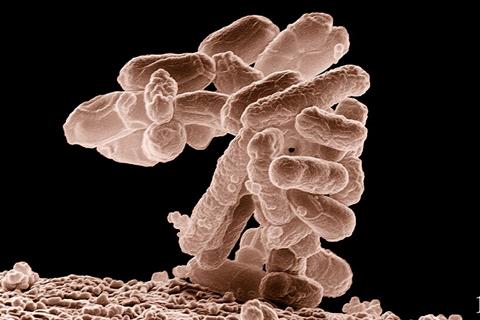
In this context, tetracycline—an old yet widely used antibiotic now facing pervasive resistance, especially in E. coli—provides an ideal model for exploring novel adjuvant strategies.
A study (DOI:10.48130/biocontam-0025-0013) published in Biocontaminant on 27 November 2025 by Zeyou Chen’s team, Tianjin Chengjian University, demonstrates that plant-derived phenolic acids can act as powerful antibiotic adjuvants by restoring and enhancing tetracycline efficacy against multidrug-resistant bacteria through multi-target disruption of key resistance mechanisms.
By boosting antibiotic uptake and disabling bacterial defense systems, these plant-derived molecules act as potent antibiotic adjuvants, restoring the efficacy of an aging but essential antibiotic and offering a promising strategy to combat resistant infections.
The study
Using a combination of in vitro, molecular, and in vivo approaches, this study systematically investigated whether plant-derived phenolic acids can function as antibiotic adjuvants and elucidated the mechanisms underlying their synergistic effects with tetracycline. First, checkerboard broth microdilution assays and time-killing experiments were conducted to evaluate antibacterial synergy between 15 structurally diverse phenolic acids and tetracycline against multidrug-resistant E. coli strains.
To determine whether synergy was linked to enhanced antibiotic entry, a genetically engineered tetracycline-responsive whole-cell biosensor was employed to quantify intracellular tetracycline uptake. Transcriptomic analysis and RT-qPCR were then used to assess changes in efflux pump gene expression, while molecular docking explored direct interactions between phenolic acids and efflux proteins. Fluorescent probes were applied to measure membrane permeability, proton motive force (PMF), and reactive oxygen species (ROS) levels.
Therapeutic relevance
Finally, the therapeutic relevance was tested in a Galleria mellonella infection model and a long-term resistance evolution experiment. These complementary methods revealed that all phenolic acids synergized with tetracycline, markedly enhancing bacterial killing compared with either agent alone, and that similar synergy extended to kanamycin. Biosensor assays showed dose-dependent increases in intracellular tetracycline in the presence of phenolic acids, accompanied by reduced bacterial growth, indicating improved uptake.
Mechanistically, phenolic acids downregulated key efflux pump genes (acrB and tetA), bound preferentially to efflux pump proteins, and lost most synergistic activity in an acrB-deleted mutant, confirming efflux inhibition as a central mechanism. In parallel, phenolic acids increased inner membrane permeability and reduced PMF, further promoting antibiotic accumulation, while modestly lowering ROS levels without negating antibacterial efficacy.
In vivo, phenolic acid–tetracycline combinations significantly improved survival in infected larvae and suppressed the emergence of new resistant mutants during prolonged exposure. Together, these results demonstrate that phenolic acids potentiate antibiotics through multi-target disruption of bacterial resistance defenses, highlighting their promise as antibiotic adjuvants.
New class
These findings highlight phenolic acids as a new class of antibiotic adjuvants capable of restoring the effectiveness of tetracycline against resistant bacteria. By targeting multiple resistance mechanisms simultaneously—efflux pumps, membrane integrity, and cellular energy—phenolic acids exemplify a multi-target strategy that could slow resistance development.
The approach is especially relevant for animal agriculture, where tetracyclines remain widely used and resistance is prevalent. Leveraging plant-derived compounds could improve treatment outcomes while reducing selective pressure for resistance.






No comments yet