
Microalgae have attracted growing attention as a promising platform for sustainable biofuel production because they can use photosynthesis to convert carbon dioxide into energy-rich compounds without competing with food crops.
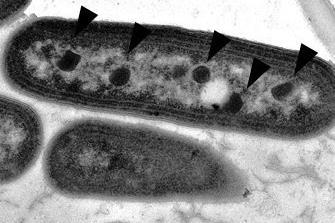
However, practical use of algal biofuels has long faced major obstacles. In many conventional systems, fuel-related lipids accumulate inside the cells, meaning that large amounts of algal biomass must be harvested, concentrated, dried, and extracted. These downstream processes consume substantial energy and cost. In addition, when engineered algae contain foreign genes, their use in large-scale outdoor cultivation can be limited by strict regulations on genetically modified organisms.
A research group led by Professor Yoshitaka Nishiyama of the Graduate School of Science and Engineering, Saitama University, in collaboration with researchers from Taisei Corporation, Chubu University, and the Kazusa DNA Research Institute, has now developed cyanobacterial strains that produce free fatty acids (FFAs) and secrete them into the culture medium. FFAs are important precursor materials for sustainable aviation fuel and diesel fuel alternatives. The findings were published online on April 30, 2026, in the biotechnology journal Biotechnology for Biofuels and Bioproducts.
Model photosynthetic microorganism
The team focused on the freshwater cyanobacterium Synechococcus elongatus PCC 7942, a model photosynthetic microorganism widely used in photosynthesis research. Rather than introducing foreign genes, the researchers enhanced genes that the organism already possesses. They first disrupted the gene encoding acyl-acyl carrier protein synthetase (Aas), an enzyme involved in recycling FFAs back into acyl-ACP. They then overexpressed an endogenous RND-type efflux transporter, which helps pump FFAs out of the cell, and two endogenous galactolipases, LipB and LipC, which release FFAs from membrane galactolipids.
This combination created a photosynthetic “living fuel factory” capable of producing FFAs inside the cell and exporting them outside the cell. Because the FFAs are secreted, the fuel precursors can be collected more easily without destroying the cells. This extracellular production strategy may also allow continuous fuel production beyond the limits imposed by intracellular storage capacity, while reducing the amount of residual cellular waste.
Culture conditions
The researchers further improved production by optimizing culture conditions. In a two-phase culture system, secreted FFAs were automatically recovered into an organic solvent layered above the culture medium, enabling continuous collection while keeping the cells alive. The team also found that strong light stress combined with cultivation at 25°C, lower than the usual optimal temperature of 32°C, markedly increased FFA productivity per cell.
The best engineered self-cloning strain achieved an FFA titer of 389 ± 48 mg/L, an FFA production rate of 0.81 ± 0.10 mg/L/h, a dry-cell-weight-based production rate of 24.7 ± 5.8 mg/g-DCW/day, and an FFA-to-dry-cell-weight ratio of 0.49 ± 0.12 g/g.
Because the strain does not retain foreign genes, it may face fewer regulatory barriers than conventional genetically modified strains, depending on the relevant regulatory framework. This feature could be particularly important for future large-scale outdoor cultivation in open ponds. The findings therefore offer a path toward lower-cost and more practical production of biofuel precursors using sunlight and atmospheric carbon dioxide.
Next steps
Looking ahead, the team aims to further improve the self-cloning strains, develop inexpensive FFA recovery methods, and optimize production under real outdoor conditions, including fluctuating sunlight and temperature.
These advances could help establish photosynthetic microorganisms as a sustainable source of fuels for aviation, transportation, and other sectors that are difficult to decarbonize.






No comments yet