
All Strategies for Sustainability articles
-
 News
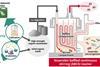
NewsCo-digestion of waste and wastewater from biomanufacturing for energy recovery
Researchers have developed the Anaerobic Baffled Continuous Stirring (ABCS) reactor, a device capable of simultaneously treating solid waste and wastewater from biomanufacturing processes while recovering methane for energy self-sufficiency.
-
 News
NewsHerbal residue reshapes gut microbes and lipid metabolism in broilers
A research team found that dietary Radix isatidis herbal residue, a traditional Chinese medicine by-product, may improve growth, mucosal immunity, gut microbiota, and lipid metabolism in broilers.
-
-
 News
NewsBiochar made from brewery waste could help trap harmful bacteria in sandy filtration systems
Researchers have found that biochar made from a common brewery byproduct can substantially improve the ability of sand to retain Escherichia coli, pointing to a potential new use for brewing waste in water filtration and groundwater protection.
-
 News
NewsYour next handbag could start with mycelium
Researchers create durable, biodegradable vegan leather from fungal fibers using a manufacturing process designed for large-scale production.
-
 News
NewsChemolithoautotrophic breakthrough: bacteria converts CO2 into p-coumaric acid without light
p-Coumaric acid is a critical building block for pharmaceuticals, cosmetics, and functional foods. A new study research leverages C. necator H16’s ability to use H2 as an energy source and CO2 as its sole carbon source.
-
 News
NewsRedistributing sunlight boosts algae biomass productivity sixfold
Researchers have developed a low-energy way to distribute sunlight more evenly throughout algae cultivation systems. The technology increased algae biomass productivity by as much as six times in outdoor testing.
-
 News
NewsNew discovery could hold key to making microbes more resistant towards industrial processes
In the bacterium Pseudomonas putida, the membrane protein CrcB pumps harmful fluoride ions out of the cells. Researchers investigated how P. putida adapts to a fluoride-containing environment, when it is deprived of the ability to produce the CrcB protein.
-
 News
NewsNew framework to reveal how microbial modulators can work alongside agricultural practices to boost plant performance
Scientists have proposed a new framework for understanding how microbes, soil fauna, viruses and compounds in the soil can be used alongside agricultural practices to reshape the native plant microbiome and boost plant performance.
-
 News
NewsCaterpillar that attacks soybeans and cotton harbors fungi that can degrade polystyrene
A moth caterpillar identified by the agribusiness sector as one of the most destructive pests of soybean, cotton, and corn crops may harbor fungi and bacteria in its gut that can degrade expanded polystyrene, also known as Styrofoam.
-
 News
NewsMove over quokkas: Rottnest’s salt lake bacteria could be the island’s next big claim to fame
Scientists have read the full genetic code of bacteria from the salt lakes of Wadjemup (Rottnest Island), giving them their clearest picture yet of how these tiny organisms could be used to make biodegradable plastic.
-
 News
NewsSelf-powered system turns wastewater into water and fertilizer
A new study reports a self-powered platform that links electrically assisted forward osmosis (eFO) with a microbial desalination cell (MDC), allowing electricity produced by wastewater-fed microbes to drive nutrient and water recovery.
-
 News
NewsBacterial cellulose offers a sustainable path for high-performance energy storage
Researchers review the structural, electrochemical, and mechanical aspects of bacterial cellulose-derived carbon electrodes for next-generation supercapacitors.
-
 News
NewsLow carbon dioxide levels improve microbial production of biodegradable plastic
In an innovative gas fermentation process, reducing concentration of carbon dioxide was found to significantly improve microbial production of the biodegradable plastic, poly[(R)-3-hydroxybutyrate]. The study provides a promising strategy for sustainable carbon recycling and efficient CO2 utilization.
-
 News
NewsPlant-based wound dressing fights infection before it takes hold
A new dressing made from plant-based materials can deliver antibiotics directly to wounds during critical early stages of infection, according to researchers. The study is the first to use this family of sustainable furan-based polymers for infection-fighting wound dressings.
-
 News
NewsNew project ORIGIN aims to redefine how society accesses natural ingredients
The ORIGIN consortium will develop an integrated AI-supported platform designed to accelerate the path from natural molecules to sustainable, fermentation-based ingredients. The project aims to reduce development timelines to two to three years.
-
 News
NewsFood waste treatment can boost renewable energy, but a hidden brown byproduct may be holding it back
Researchers have identified a key chemical obstacle in turning food waste into renewable methane, offering a new semi-quantitative way to track melanoidins and showing that higher doses can severely damage the microbial system.
-
 News
NewsAMI teams up with the International Symposium on Biopolymers to launch new themed collection on microbial polymers
The Journal of Applied Microbiology is joining forces with the International Symposium on Biopolymers to launch a new themed collection called ‘Microbial polymers for industrial and environmental applications’. Guest editors Tanja Narancic and Kevin O’Connor reveal why this is such a fascinating area of research.
-
 News
NewsWasted pumpkin peel can keep your food fresh
Researchers have turned agricultural by-products into a biodegradable food packaging material, offering a potential approach to both food loss and plastic pollution.
-
 News
NewsNew evolution platform creates tougher yeast for sustainable biomanufacturing
Researchers have now developed a powerful new tool that accelerates microbial evolution. Their study introduces RAMPAGE, a programmable system that continuously generates genetic diversity across the genome of the industrial yeast P. pastoris.