
By combining plant transcriptomics, enzyme engineering, and synthetic biology, a new study demonstrates, for the first time, the full heterologous production of polyphyllin II in Saccharomyces cerevisiae.
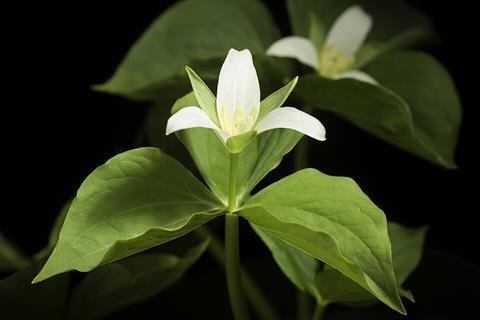
Polyphyllins are isospirostan-type steroidal saponins widely recognized for their strong cytotoxic activity against diverse cancer cells and for other pharmacological effects, including neuroprotective and anti-inflammatory functions. They are mainly derived from slow-growing medicinal plants such as Trillium tschonoskii, a protected and endangered species in China.
Chemical synthesis of polyphyllins is extremely challenging due to their structural complexity and subtle differences among closely related glycosides. Meanwhile, extraction from plants is constrained by limited biomass and conservation concerns.
Metabolic engineering of microorganisms offers a promising alternative, but until now, the biosynthetic pathway—especially the sugar-chain elongation steps forming tetraglycosides—has remained incomplete and poorly understood.
Complex medicinal saponins
A study (DOI: 10.1016/j.bidere.2025.100047) published in BioDesign Research on 14 September 2025 by Yating Hu’s & Xianan Zhang’s team, Hubei University of Chinese Medicine, opens a sustainable route to producing complex medicinal saponins that are otherwise difficult to synthesize and increasingly scarce in nature.
Using an integrated workflow that combined transcriptome sequencing, bioinformatic screening, enzyme biochemistry, structure-guided protein engineering, and microbial metabolic reconstruction, this study systematically elucidated and optimized the biosynthetic route to polyphyllin II.
First, Illumina-based RNA sequencing of five Trillium tschonoskii tissues generated 15 libraries that were assembled into 173,382 high-quality unigenes, which were comprehensively annotated across seven databases. KEGG pathway mapping highlighted 723 genes related to terpenoid and polyketide metabolism, prompting focused screening of glycosyltransferases. By filtering for expression level and sequence length, 353 GT genes were retained and subjected to phylogenetic analysis, yielding 60 candidate rhamnosyltransferases.
Metabolite profiling across tissues, together with expression heatmaps, guided the prioritization of 16 candidates for functional testing. Subsequent cloning and in vitro assays identified a single functional enzyme, UGT738A3, capable of converting polyphyllin III and PRRG into the tetraglycosides polyphyllin II and VII, with strict regioselectivity toward the 4″-hydroxyl group and exclusive specificity for UDP-rhamnose. However, low native conversion efficiencies motivated structure-guided optimization.
Pinpointing promising residues
Because crystallographic data were unavailable, AlphaFold-based modeling, molecular docking, alanine scanning, and molecular dynamics simulations were applied to pinpoint residues controlling substrate binding and channel geometry. This approach revealed that the A158T mutation significantly enhanced activity by stabilizing enzyme–substrate interactions, while iterative FRISM-based mutagenesis further identified P101L as a key modification that enlarged the substrate pocket and facilitated substrate entry.
The resulting A158T/P101L double mutant achieved markedly higher conversion rates and broader substrate acceptance. Finally, pathway reconstruction in a genetically engineered yeast strain was accomplished by co-expressing UGT93M3, which forms polyphyllin III, and the optimized UGT738A3A158T/P101L, enabling complete heterologous biosynthesis of polyphyllin II with a measurable yield of 0.13 mg/L, thereby validating both the enzymatic mechanism and the engineered pathway.
Protecting rare plants
This work establishes a sustainable and controllable platform for producing rare steroidal saponins without relying on endangered medicinal plants.
READ MORE: Unlocking the therapeutic potential of herbal teas
READ MORE: Researchers uncover how soil bacterium detoxifies tomato metabolite
Beyond polyphyllin II, the strategy provides a blueprint for engineering complex sugar modifications in other plant-derived natural products. The optimized enzymes identified here can serve as valuable tools for producing new saponin derivatives with improved or tailored bioactivities, supporting drug discovery and pharmaceutical development.
Topics
- Asia & Oceania
- Bioengineering
- Cancer Microbiology
- Fungi
- Healthy Land
- Hubei University of Chinese Medicine
- Innovation News
- Japan
- Pharmaceutical Microbiology
- polyphyllin II
- polyphyllins
- Saccharomyces cerevisiae
- saponins
- Strategies for Sustainability
- Sustainable Microbiology
- Synthetic Biology
- Trillium tschonoskii
- Xianan Zhang
- Yating Hu


_(49836834147).jpg)
No comments yet