
Endosymbionts are widely distributed across various cell types in insects and are transmitted primarily vertically, while also spreading among different hosts through horizontal transmission. Functionally, they can be divided into obligate (primary) and facultative (secondary) endosymbionts. Obligate endosymbionts are essential for host survival, supporting growth, development, and stress resistance by synthesizing key nutrients such as amino acids and vitamins.
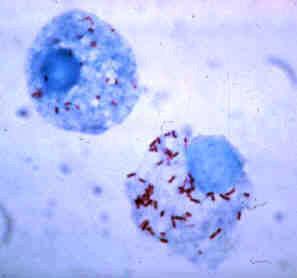
Although facultative endosymbionts are not required for survival, they influence host phenotypes through reproductive manipulation, immune regulation, and environmental adaptation. The two types are functionally complementary, jointly meeting the host’s core needs in nutrient acquisition, reproductive strategies, and environmental adaptation.
Cryptic speciation
The mechanisms by which endosymbionts drive cryptic speciation of insects can be summarized in three aspects:
Ecological adaptation divergence: Endosymbionts promote adaptive evolution of populations by regulating host nutrient metabolism, environmental stress tolerance, and niche selection, thereby driving genetic differentiation. For example, aphids rely on Buchnera to synthesize essential amino acids to utilize specific host plants. In whiteflies, endosymbionts such as Rickettsia influence host plant selection and nutrient metabolism. Arsenophonus and Wolbachia can act synergistically with host P450 genes to enhance tolerance to neonicotinoid insecticides, thereby promoting the expansion and genetic differentiation of resistant populations.
Gene transfer and genetic remodeling: Endosymbionts can integrate their gene fragments into the host nuclear genome through horizontal gene transfer, altering host physiological traits and establishing genetic barriers among different host lineages. For example, the genome of Folsomia candida contains an integrated Wolbachia sequence of approximately 0.5 Mb, which drives genomic differentiation and promotes reproductive isolation. In whiteflies, bacteria-derived lysine synthesis genes cooperate with Portiera and Rickettsia to promote host reproduction and fitness.
Reproductive manipulation: Endosymbionts can establish reproductive barriers and block gene flow through mechanisms such as cytoplasmic incompatibility (CI), parthenogenesis, male killing, and feminization. Among these, CI is the primary mechanism by which Wolbachia induces reproductive isolation: mating between infected males and uninfected females leads to embryonic mortality, forming a postzygotic reproductive barrier. Type B and non-type B populations of whiteflies are completely reproductively isolated due to carrying different Wolbachia strains. Cardinium infection can significantly increase the female proportion of the parasitoid wasp Encarsia hispida, reducing effective mating opportunities and thereby promoting cryptic speciation.
MICROBIOLOGY NEWS: Register with The Microbiologist for more free articles
Therefore, endosymbionts drive ecological divergence by conferring different physiological capabilities on hosts, providing the impetus for population differentiation under natural selection. Through long-term coevolution, genomic integration, and adaptive consolidation, they fix symbiont genes into the host genetic material. Through reproductive manipulation, they directly establish reproductive barriers and create initial obstacles to gene flow. This framework indicates that endosymbionts provide a viable pathway for the formation of cryptic insect species, significantly advancing our understanding of the micro-level mechanisms underlying biodiversity generation.
Hongxia Hou, Yuao Wang, Yangyi Jia, Xinxin Li, Guohao Zu, Zhipeng Chen, and Dawei Huang. Endosymbiont-mediated cryptic speciation in insects: Mechanisms, evidence, and framework. Journal of Systematics and Evolution. https://doi.org/10.1111/jse.70111






No comments yet