
All polystyrene articles
-
 News
NewsWhy plastic lingers: Water chemistry slows nature’s cleanup
In a new study designed to mimic real environmental conditions, researchers found that the chemical makeup of natural waters significantly delays the breakdown of polystyrene, a common plastic used in packaging and food containers. Because sunlight cannot effectively initiate the degradation process, microbes cannot finish the job.
-
 News
NewsNameko mucilage: An eco-friendly solution for microplastic pollution
Researchers use natural mucilage from nameko mushrooms for the removal of micro- and nano-plastics from water. The mucilage is rich in polysaccharides, particularly pectin—a naturally occurring plant-based compound—which is known for its particle-binding properties.
-
 News
NewsDifferent plastics, different threats: Tracking antibiotic resistance on riverborne debris
While traditional plastics steadily accumulate antibiotic resistance genes over time, biodegradable plastics can trigger short-lived but intense spikes in pathogens and resistance during degradation.
-
 News
NewsNanoplastics can interact with Salmonella to affect food safety, study shows
Researchers investigating what happens when nanoplastics (polystyrene) interact with Salmonella discovered an increased expression of virulence-related genes. The bacteria also formed thicker biofilms, which indicates they are becoming more virulent.
-
 News
NewsPlastic particles can increase intestinal inflammation
Researchers investigating a possible link between the rising number of people with chronic inflammatory bowel disease and the increasing exposure to micro- and nanoplastics show that plastic particles influence the immune cells and the intestinal microbiome and can thus increase inflammation.
-
 News
NewsHow do biodegradable plastic films affect microplastics and soil microorganisms in paddy fields?
A study shows that biodegradable plastic films not only have the yield-preserving advantages of traditional plastic films, but also reduce the environmental risks of long-term accumulation of microplastics through synergistic effect with soil microorganisms.
-
 News
NewsMicroplastics pose a human health risk in more ways than one
A new study shows that microplastics in the natural environment are colonised by pathogenic and antimicrobial resistant bacteria. The study team calls for urgent action for waste management and strongly recommends wearing gloves when taking part in beach cleans.
-
 News
NewsBacteria transform waste polystyrene into nylon precursors
Scientists have succeeded in getting bacteria to break down the molecular building blocks of polystyrene and convert them into useful chemicals.
-
 News
NewsNanoplastics can impair the effect of antibiotics
Researchers investigating how some of the most common nanoplastics interact with tetracycline found significant accumulation of the antibiotics on the surfaces of the nanoplastic particles.
-
 News
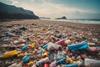
NewsNanoplastics can reduce the effectiveness of antibiotics
A study showed that plastic particles not only impair the effect of antibiotics, but could also promote the development of antibiotic-resistant bacteria.
-
 News
NewsBacteria team with catalysts to recycle waste plastic into useful chemicals
A combination of chemical catalysts and engineered bacteria has been used to convert a mix of common plastic rubbish into a useful product.