
All Research News articles – Page 145
-
 News
NewsNew Unilever research uncovers link between skin microbiome and mental wellbeing for the first time
A study shows concentrations of specific beneficial microbes that live on the skin, particularly Cutibacterium, are linked to psychological wellbeing. Higher levels on the face and underarm were associated with lower stress.
-
 News
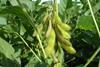
NewsBacterial species join forces to boost production in soybean - without disrupting soil microbiome
Combining a bacterial isolate with rhizobia can boost soybean production without disrupting the natural soil microbiome, a new study reveals.
-
 News
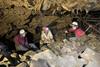
NewsAncient remains reveal how a pathogen began to use lice – not ticks – to infect humans
Researchers have analysed ancient DNA from Borrelia recurrentis, a type of bacteria that causes relapsing fever, pinpointing when it evolved to spread through lice rather than ticks, and how it gained and lost genes in the process.
-
 News
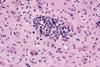
NewsTuberculous meningitis: study shows that metabolism drives mortality
A new study suggests that dysregulated β-oxidation may be an important and potentially modifiable contributor to mortality in tuberculous meningitis.
-
 News
NewsPost-COVID syndrome: new insights into connection between gut health and fatigue
A new study shows that post-COVID syndrome patients have altered inflammatory markers and a disturbed intestinal barrier, which could contribute to the development of post-viral fatigue.
-
 News
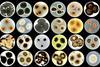
NewsScientists design protective ‘living tattoos’ for buildings
An international research team wants to integrate selected microorganisms into façade coatings to bring building walls to life. The microorganisms are intended to protect surfaces, store CO2 and filter pollutants.
-
 News
NewsWhen fungi take your breath: How a mold can unbalance the lungs
New study reveals that infection with Aspergillus fumigatus not only changes the lungs - the intestines and metabolism also play a surprising role.
-
 News
NewsYeast reveals how species adapt to a warmer climate
Researchers harnessed the power of experimental evolution with the microbial model system yeast (Saccharomyces spp.) to measure the evolutionary potential of populations to adapt to future warming, in real time and across the entire species tree.
-
 News
NewsA gene variant increases the risk of long COVID
An international team of researchers has found a genetic link to long-term symptoms after COVID-19. The identified gene variant is located close to the FOXP4 gene, which is known to affect lung function.
-
 News
NewsScientists uncover how certain cholera strains are so successful at evading phage attacks
A new study shows that a virulent lineage of cholera acquired multiple distinct bacterial immune systems that have protected it from diverse types of phages. This defense may have contributed to the massive scale of the Latin American epidemic.
-
 News
NewsStudy reveals shift to mycorrhizal fungi for nutrient acquisition under carbon limitation
Scientists investigated the responses of roots and mycorrhiza to C limitation in mature ectomycorrhizas trees, Pinus taeda, offering new insights into mycorrhizal association with host roots.
-
 News
NewsOrganoids reveal the secrets of bat immunity
Researchers successfully infected both bat organoids and human airway organoids with the Marburg virus. Compared to the human models, bat organoids exhibited a significantly higher baseline antiviral immune activity even before infection.
-
 News
NewsNew malaria control strategy efficiently kills parasites in the mosquito
A potent combination of antimalarial compounds added to bed nets blocked parasite transmission in mosquitoes while circumventing insecticide resistance, according to a new study.
-
 News
NewsCan gut microbes save patients from chemotherapy side effects?
Intestinal microbes that survive chemo can rid the gut of excess chemo drugs and produce a vitamin that helps to stem nausea, a new study reveals.
-
 News
NewsSelenium exposure during pregnancy may reduce childhood streptococcal infections
Higher maternal selenium levels during pregnancy were associated with a lower risk of streptococcal infections in children, a new study shows, suggesting a potential protective effect.
-
 News
NewsSegregation fuels faster spread of infectious diseases, study finds
Structural inequalities, including wealth inequality and social segregation, not only make certain groups more vulnerable during public health crises but also accelerate the spread of infectious diseases through society, according to a team of international researchers.
-
 News
NewsCucumber green mottle mosaic virus breakthrough: uncovering novel antiviral strategy by hijacking host proteins
Researchers have made a groundbreaking discovery in their study of the Cucumber Green Mottle Mosaic Virus (CGMMV). CGMMV utilizes the host cytosolic fructose-1,6-bisphosphatase (FBPase) to catalyze the formation of BMCs via liquid-liquid phase separation (LLPS).
-
 News
NewsMicrobial pioneers: how bacteria shape dental implant health from day one
A new study suggests that the earliest microbes to colonize a dental implant may determine its long-term fate. Using high-resolution genomic sequencing and a 12-week clinical timeline, scientists tracked how microbial ecosystems form around new dental implants.
-
 News
NewsAdvanced genomics study improves detection of hard-to-find diarrheal infections
A study has used advanced genetic and genomic techniques to offer a major step forward in understanding and diagnosing infectious intestinal diseases. It analysed more than 1,000 stool samples from people with diarrhoeal illness to harness two cutting edge tools.
-
 News
NewsThe hidden drivers of aging: microbial influence on genomic stability and telomere dynamics
A new review synthesizes current evidence on how microbial dysbiosis accelerates aging by disrupting genomic integrity and telomere dynamics, while also exploring therapeutic strategies to promote healthy longevity.