
All Research News articles – Page 230
-
 News
NewsSafer virus helps eliminate cancer and protect against future tumors
Scientists have discovered that an attenuated (weakened) virus can help eliminate cancer in mice. In addition, mice that were treated with this virus were more resistant to developing tumors later in life.
-
 News
NewsUncovering the potential of ‘golden flower’ and its fermentation application in tea
A new review examines the biological characteristics and fermentation applications of Eurotium cristatum, commonly known as the ’golden flower’, a dominant microbial strain in the fermentation process of Fu brick tea.
-
 News
NewsPrecision medicine for sepsis in children within reach
Researchers used artificial intelligence to analyze a large set of clinical data and find a distinct group of patients who might respond better to targeted sepsis treatments.
-
 News
NewsTwo types of polymicrobial infections in chronic lung diseases
Chronic lung diseases are often accelerated and exacerbated by polymicrobial infections. An international study team led by MedUni Vienna has identified two types of these so-called dysbioses in cystic fibrosis. They display distinct ecology and are also likely to respond differently to treatment. The study was published in the journal ...
-
 News
NewsVirus-like nanoparticles control multicellular organization and reproduction of host bacteria
Researchers examining Streptomyces davawensis, an actinomycete species, discovered that it produces virus-like particles that facilitate host reproduction.
-
 News
NewsMonitoring shows chikungunya epidemics can be predicted by means of surveillance
A study conducted in a medium-sized city in São Paulo state (Brazil) found that chikungunya, which has caused major epidemics in several countries, can also circulate silently in a community, with few infections for years.
-
 News
NewsTwo ways that members of the microbiome fight salmonella infections
Researchers have identified two mechanisms through which Klebsiella bacteria combat the spread of salmonella in the gut.
-
 News
NewsScientists unlock secrets of how the third form of life makes energy
An international scientific team has redefined our understanding of archaea, a microbial ancestor to humans from two billion years ago, by showing how they use hydrogen gas.
-
 News
NewsSoil bacteria respire more CO2 after sugar-free meals
Researchers have tracked the pathways of a mixture of plant waste as it moves through bacteria’s metabolism to contribute to atmospheric CO2. Microbes respire three times as much CO2 from lignin carbons compared to cellulose carbons, they say.
-
 News
NewsBartonella DNA found in blood of patients with psychosis
A new study has found that patients diagnosed with schizophrenia or another psychotic disorder are three times more likely to have Bartonella DNA in their blood than adults without these disorders.
-
 News
NewsNew study helps explain how elderly individuals react differently to COVID-19 than young people
A new study suggests that a suppressed immune landscape is a key driver of age-associated endothelial dysfunction during COVID-19.
-
 News
NewsNew discovery reveals unexpected ocean algae help cool the Earth
A common type of ocean algae plays a significant role in producing a massively abundant compound that helps cool the Earth’s climate, new research has discovered.
-
 News
NewsGut microbes from aged mice induce inflammation in young mice
New findings suggest that changes to the gut microbiome play a role in the systemwide inflammation that often occurs with aging, and also revealed that antibiotics caused longer-lasting disruptions in gut microbiomes of aged mice than in young mice.
-
 News
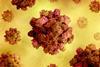
NewsHepatitis E virus scoops up human derived RNA fragments
In cell culture experiments, it was shown that incorporating host RNA provided a replication advantage for the Hepatitis E virus, with the altered viruses replicating better than others.
-
 News
NewsWater-soluble version of bacterial enzyme may help researchers develop new antibiotics
Researchers created a water-soluble version of an important bacterial enzyme, which can now be used in drug screens to identify new antibiotics.
-
 News
NewsFeeling rough after your COVID shot? That means it’s working!
Side effects of the Covid vaccine may include tiredness, muscle and joint pain, chills, headache, fever or nausea, but a new study finds that the symptoms indicate a robust immune response that is likely to lessen the chances of infection.
-
 News
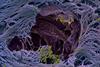
NewsLung organoids unveil secret of how pathogens infect human lung tissue
Using human lung microtissues, researchers have uncovered the strategy used by a dangerous pathogen to invade the lungs. Pseudomonas aeruginosa targets specific lung cells and has developed a sophisticated strategy to break through the lungs’ line of defense.
-
 News
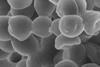
NewsNovel lipopeptide produced by bacterium proves lethal against Staphylococcus aureus
A novel antibacterial lipopeptide produced by the bacterium Serratia marcescens has been shown to be highly effective in killing Staphylococcus aureus – one of the most important pathogens occurring in humans.
-
 News
NewsEpstein-Barr virus can trigger quicker growth of nasopharyngeal cancer
Scientists have shown how the Epstein-Barr virus (EBV) alters how specific genes are regulated, making nasopharyngeal cancer tumours (NPC) grow faster.
-
 News
NewsNew study reveals that marine cyanobacteria can communicate using membrane nanotubes
Transfer of substances via membrane nanotubes not only occurs in cyanobacteria of the same lineage, but also between those of different genders, something that has been verified not only at the laboratory level, but also in natural ocean samples.