
All Research News articles – Page 56
-
 News
NewsNon-producing oil and gas wells emit microbial methane at rates 1,000 times higher than previously estimated
Microbial methane leaking from non-producing oil and gas wells is being emitted at rates about 1,000 times higher than previously estimated, according to a new study.
-
 News
NewsHow cholera bacteria swap defenses against viruses
To survive viral attack, bacteria equip themselves with antiviral immune systems. Vibrio cholerae carries a large genetic element called a sedentary chromosomal integron (SCI). A new study investigates whether the SCI might capture gene cassettes from genetic material entering the cell from the outside.
-
 News
NewsCould your housemates be changing your gut bacteria?
Living with friends may quietly be altering your gut bacteria - according to a new study. Research on a colony of tiny island birds reveals they share more of their gut bacteria with the birds they spend the most time with.
-
 News
NewsMethod for amplifying the full genome of human papillomavirus 16 uses overlapping extension polymerase chain reaction
Human papillomavirus (HPV) is a double-stranded circular DNA virus with a genome of approximately 7–8 kb. A new study aims to establish an overlapping extension polymerase chain reaction method for the amplification of the entire genome of HPV16.
-
 News
NewsHidden ocean feedback loop could accelerate climate change
Scientists have uncovered a key mechanism behind methane production in the open ocean. Their research indicates that this mechanism could intensify as the planet warms, providing an alarming feedback loop for global warming.
-
 News
NewsTropical trees are more neighborly, study suggests
Tropical trees are better neighbors than trees in temperate forests, according to a new study. Trees growing closer to the equator have more positive interactions with their neighbors, which may help explain why tropical forests are home to so many tree species.
-
 News
NewsImmunogenicity and safety of an Escherichia coli-produced 9-valent HPV vaccine in adolescents compared with young women
Based on new findings, the National Medical Products Administration of China has approved a two-dose immunization schedule for the domestically produced 9-valent HPV vaccine in girls aged 9 to 17 years.
-
 News
NewsAtomic-level structure of a giant virus revealed
Researchers have successfully determined, for the first time, the capsid structure of Melbournevirus—a member of the giant virus family—at a resolution of 4.4 Å using cryo-electron microscopy.
-
 News
NewsRethinking the gut microbiome: Health is not about staying the same
Despite decades of research into the gut microbiome, microbiome-based interventions such as probiotics or fecal transplants still produce inconsistent results. Scientists suggest part of the problem may lie not in the microbiome itself, but in how we define what it means to be ‘healthy’.
-
 News
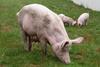
NewsAfrican swine fever: a novel model for assessing transmission between domestic pigs and wild boar
Researchers have developed an innovative multi-host epidemiological model for African swine fever incorporating both pig farms and wild boar habitats and calibrated using empirical outbreak data. The model uses detailed data from the first phase of the Romanian epidemic.
-
 News
NewsEnzyme produced by fungus may replace chemicals in the paper industry
Fungal xylanase can be obtained by cultivating the microorganism in sugarcane bagasse or wheat bran. The solution is a non-polluting alternative for bleaching cellulose pulp, which currently uses a toxic chemical.
-
 News
NewsPueraria lobata decoction-derived vesicle-like nanoparticles reveal a novel mechanism for ulcerative colitis treatment
By simulating the traditional decoction process, researchers successfully isolated structurally intact GGD-PDVLNs from dried Pueraria lobata after boiling. These nanoparticles demonstrated remarkable stability in simulated gastric acid and intestinal fluids.
-
 News
NewsAstragalus polysaccharide-linked exosomes “wake up” latent HIV-1 by flipping a key cellular switch
“Shock-and-kill” strategies aim to reactivate latent virus so infected cells become visible to immune clearance or additional therapies. In a new study, researchers investigated whether exosomes could mediate HIV latency reversal after exposure to Astragalus polysaccharide (APS).
-
 News
NewsPhase I study for human monoclonal antibody for Lyme disease demonstrates safety, tolerability, pharmacokinetics
A Phase I clinical trial of a human monoclonal antibody discovered and developed for the prevention of Lyme disease in the U.S. was well tolerated and showed lasting serum concentrations in participants, according to data.
-
 News
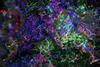
NewsHow microbes survive in the plastisphere
Trillions of persistent plastic particles of varying sizes are scattered throughout the world’s oceans, where they often accumulate in ocean gyres known as ‘garbage patches’. Two of these regions were the focus of research expeditions.
-
 News
NewsBird flu spread could be impacted by where waterfowl like to live
The movement patterns of waterfowl, including ducks, swans and geese, may affect the spread of highly pathogenic avian influenza in bird populations. Researchers found that birds travel much shorter distances in areas with human activity.
-
 News
NewsThree-dimensional microscopy reveals how tick-borne virus replicates
Researchers show how tick‑borne viruses remodel human cells into virus factories, using an advanced microscopy method. The findings provide new insight into how the virus replicates and matures, knowledge that may become important for future treatments against TBE.
-
 News
NewsUnlocking how dogs’ fungal ear infections evade treatment points vets to drug stewardship
Mutations in a key protein make a yeast found in dogs with common outer ear infections more resistant to the topical antifungals used to treat it, veterinarians and pathobiologists found in a new study.
-
 News
NewsTurmeric/ginger extract shows multiple benefits for bone implants
An extract of turmeric and ginger helps bone implants bond strongly while killing bacteria and cancer cells, according to new research with implications for millions of patients with joint replacements and bone cancer.
-
 News
NewsLoss of microbiota alters the profile of cells that protect the intestinal wall
Experiments in mice and human tissue indicate that a reduction in bacteria living in the large intestine decreases mucus production and affects nutrient absorption, particularly in older adults.