
All Research News articles – Page 52
-
 News
NewsSome resilient fungi might survive the long voyage to Mars
Researchers recently identified fungi in samples from spacecraft-associated environments, including cleanrooms. Conidia grown from those fungi survived after exposure to simulations of the harsh conditions of Mars and space travel.
-
 News
NewsScientists map how HIV hijacks human cells—and how cells can fight back
Scientists have opened a new door to understanding HIV by creating the first comprehensive genetic roadmap of how the virus interacts with real human cells. They identified a multitude of hidden players in HIV infection, human proteins that either help the virus thrive or work to stop it.
-
 News
NewsGut microbiome changes may signal Parkinson’s disease risk
Scientists have found that people with Parkinson’s disease have a distinctive makeup of gut microbes, as do healthy individuals who are genetically at risk of Parkinson’s disease. This could help to develop tests to reveal a person’s risk of developing Parkinson’s disease.
-
 News
NewsSevere childhood malaria linked to cognitive impairment later in life
New findings suggest children who survive cases of cerebral malaria and severe malarial anemia experience cognitive and academic impairment that persists into adolescence.
-
 News
NewsOral-gut axis points to salivary biomarkers for early gastric cancer detection
A recent study has identified distinct microbial “signatures” within the oral cavity and gut that serve as robust biomarkers for the early detection of gastric cancer (GC). Research shows how specific lactic acid-producing bacteria (LAB) migrate from the mouth to colonize the gastrointestinal tract.
-
 News
NewsViruses enhance sulfamethoxazole removal in wetlands by modulating bacteria-phage interactions
A new study examines the role of viruses in sulfamethoxazole (SMX) removal in constructed wetlands. The research demonstrates that the addition of phage-concentrated solutions (PCS) enhances the degradation of SMX by enriching SMX-degrading bacteria.
-
 News
NewsResearchers come up with novel strategies for coral restoration
Scientists have discovered a new way to help lab-grown baby corals survive through the early life stage. If young mountainous star corals are grown on cement tiles formulated with sodium carbonate, which raises the alkalinity of the water, they survive much better than the average lab-grown corals.
-
 News
NewsScientists probe how neurons sense bacteria in the gut
Neural interaction with bacteria, e.g. in the gut microbiome, has important effects on brains of animals from worms to people. A new study investigates how neurons sense bacteria by revealing, in nematodes, the bacterial signals that a key neuron detects.
-
 News
NewsWHO-recommended antibiotics cover only 1 in 4 neonatal sepsis infections in low- and middle-income countries
A major multi-country study has found that WHO-recommended first-line antibiotics for neonatal sepsis are likely to be effective in only one quarter of infections in low- and middle-income countries (LMICs).
-
 News
NewsGut bacteria predict skin cancer recurrence, but only when matched for ‘microbial fingerprint’
The specific mix of bacteria living in a person’s gut can predict the chances that melanoma will recur after surgery and immunotherapy, which helps immune cells target cancer cells, according to a new study.
-
 News
NewsSleep deprivation disrupts gut microbiota, worsening colorectal cancer outcomes
Researchers have found that the gut microbiota drives changes to the immune system caused by chronic sleep loss. These changes promote cancer progression, disrupt circadian rhythm and weaken the effectiveness of chemotherapy.
-
 News
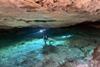
NewsHow tiny cave shrimps grazing on microbes power the underworld of the Yucatan
Because they convert microbial growth in sinkholes beneath the Yucatan Peninsula into animal biomass, Typhlatya shrimps act as “keystone species”, introducing essential nutrients into the cave’s food web. They serve as a crucial initial link that larger subterranean predators feed on.
-
 News
NewsAntibiotic resistance genes found in newborns within hours of birth, study shows
Antibiotic resistance genes can be present in newborns within the first hours of life. The study analysed meconium samples from 105 infants admitted to a neonatal intensive care unit (NICU) within the first 72 hours of life between July 2024 and July 2025.
-
 News
NewsAndes volcanoes – the missing link between algae blooms, whales and climate millions of years ago
Record volcanic eruptions in the Andes could explain the mysterious death of dozens of whales about 5 to 8 million years ago, according to a study. A significant increase in volcanic activity in the Andes peaking between eight and four million years ago likely delivered a significant pulse of nutrients to the Southern Ocean.
-
 News
NewsThe cold virus ‘hides’ and multiplies in the tonsils and adenoids, even in people without symptoms
A study reveals that tissues such as the tonsils and adenoids can serve as hiding places for the rhinovirus, which causes the common cold. The pathogen can persist in these tissues for long periods, be transmitted unexpectedly, and trigger new outbreaks of the disease.
-
 News
NewsCyanobacteria surprise scientists with evolutionary shift
Researchers report a surprising new discovery—a system thought to separate DNA has developed to sculpt the shape of the cell in cyanobacteria instead. The results shed light on how protein systems evolve and how multicellularity emerged in this type of ecologically essential bacteria.
-
 News
News To thwart pathogens, researchers are giving beneficial microbes what they really want
Researchers have developed a new method that allows precise modification of any microbiome with prebiotics, helping beneficial organisms outcompete dangerous pathogens.
-
 News
NewsImproving oral care more than halves hospital-acquired pneumonia risk, major trial finds
A landmark trial presented at ESCMID Global 2026 shows that improving oral hygiene for hospital patients can reduce the risk of non-ventilator-associated hospital-acquired pneumonia (NV-HAP) by 60%.
-
 News
NewsResearchers uncover a ‘treasure trove’ of bioactive molecules in coral reefs
Researchers have found that coral reefs are home to a vast array of previously unknown bioactive metabolites — small biomolecules that have the biotechnological potential to provide the basis for new drugs, and a host of other products.
-
 News
NewsMaternal RSV vaccination cuts infant hospitalization risk by over 80%, major study finds
The largest real-world study of its kind shows that maternal vaccination against respiratory syncytial virus (RSV) reduces the risk of hospitalisation in young infants by over 80% when given at least two weeks before birth.