
All Soil & Plant Science articles – Page 19
-
 News
NewsGolden spruce trees: Gold forms nanoparticles in the needles – bacteria show the way
A new study has, for the first time, uncovered a connection between bacteria living in Norway spruce needles and gold nanoparticles. This discovery could pave the way for environmentally friendly gold exploration methods, while examining similar processes in mosses may also help remove metals from mining-impacted waters.
-
 News
NewsThe essential role of the urban tree microbiome: A key to city health
Researchers studied the difference in microbial communities of street trees and non-urban forest trees. By analyzing fungal and bacterial diversity, tree size, and soil properties, their research shows the impacts of urban environmental stressors upon city tree microbiomes.
-
 News
NewsLong-term biochar use boosts soil health and soybean yields, study finds
A decade-long field study has revealed that biochar can significantly improve soil quality and boost soybean production in continuous cropping systems. The findings provide new evidence that biochar could be a powerful tool for making agriculture more sustainable.
-
 News
NewsPlant microbiota: War and peace under the surface
Scientists unveil the subtle alliances and rivalries that unfold between bacteria and roots, hidden beneath the soil. A new study probed how and when root exudates are released at the microscale relevant to microorganisms.
-
 News
NewsCould a fungus provide a blueprint for next-gen hydrogels?
New research finds one fungal species, Marquandomyces marquandii, shows promise as a potential building block for new biomedical materials. It can grow into hydrogels, materials that hold lots of water and mimic the softness and flexibility of human tissues.
-
 News
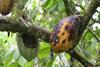
NewsGene editing, traditional crossbreeding produce disease-resistant cacao plants
Researchers reported that they edited the gene TcNPR3 in cacao plants, ultimately resulting in disease-resistant cacao plants that had 42% smaller disease lesions when infected with phytophthora, compared to non-edited plants.
-
 News
NewsNew biochar technology promises breakthrough in soil clean-up and crop safety
Scientists have unveiled a pioneering method that could help farmers reclaim lands blighted by toxic metals and boost the safety of crops grown in contaminated soils. Phosphorus-modified biochar can reduce the threat posed by heavy metals in agricultural soils near mining areas.
-
 News
NewsCould bacteria help fix the smoky taste of wildfire-tainted wine?
New laboratory experiments show that a bacterium that lives on grape plants can break down guaiacol—an unpleasant-tasting substance which ruins wines made from grapes exposed to wildfire smoke.
-
 News
NewsSome plants can make their own fertilizer - scientists say they learned it more than once
In a new study, scientists show that chemical receptors that plants use to recognize nitrogen-fixing bacteria have developed the same function independently on at least three separate occasions through a process called convergent evolution.
-
 News
NewsFriendly soil fungus could replace chemical sprays in battle against crop diseases
A common soil fungus could help farmers reduce their reliance on synthetic fungicides by producing natural airborne chemicals that suppress plant diseases. Trichoderma hamatum releases volatile organic compounds (VOCs) that inhibit the growth of crop pathogens.
-
 News
NewsBiogas slurry boosts biochar’s climate benefits by reshaping soil microbes
A new study finds that pairing biochar with biogas slurry, a nutrient-rich liquid fertilizer from biogas production, can reshape soil microbial communities and significantly alter emissions of carbon dioxide (CO₂), nitrous oxide (N₂O), and methane (CH₄).
-
 News
NewsNew clues in how plant microbiomes protect against bacterial speck disease
A new study gives new clues on how a tomato plant’s microbiome can be used to combat the bacterial speck pathogen. Researchers found populations of Xanthomonas and Pseudomonas bacteria on the plants that had developed a resistance against bacterial speck.
-
 News
News Bioinsecticide start-up BugBiome focuses on lead product development with move to Norwich Research Park
BugBiome, the agri-tech innovator developing new bioinsecticides from crop-associated microbes, has relocated to Norwich Research Park as it focuses on moving its lead aphicide into field trials in 2026.
-
 News
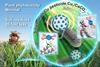
NewsAtom-precise agriculture: The future of eco-friendly crop protection
Researchers have created a novel single-atom copper pesticide that addresses the critical limitations of traditional copper-based pesticides, acting against the rice pathogen Pantoea ananatis.
-
 News
NewsNutrient storage and release in uninfected cells of soybean nodules support symbiotic nitrogen fixation in infected cells
A new study employed the symplastic movement tracer carboxyfluorescein diacetate (CFDA) to observe and model the transport and storage status of nutrients within nodules.
-
 News
NewsScientists show how to grow more nutritious rice that uses less fertilizer
Scientists have shown that nanoscale applications of selenium can decrease the amount of fertilizer necessary for rice cultivation while sustaining yields, boosting nutrition, enhancing the soil’s microbial diversity and cutting greenhouse gas emissions.
-
 News
NewsTea plant defense: new insights into anthracnose resistance mechanisms
In a recent study, researchers identified key genetic factors that enhance tea plant resistance to Colletotrichum gloeosporioides, the pathogen responsible for anthracnose, a devastating disease in tea cultivation.
-
 News
NewsThe role of the microbiome in the successful transplantation of Posidonia oceanica seagrass meadows
A study of seagrass restoration shows that transplantation method directly influences the root microbiome, which is essential for the survival of the plants - paving the way for more effective and sustainable restoration techniques.
-
 News
NewsNew study shows biochar’s electrical properties can influence rice field methane emissions
A team of scientists has discovered that the ability of biochar to conduct electricity can significantly affect methane emissions from rice paddies, one of the largest sources of agricultural greenhouse gases worldwide.
-
 News
NewsBiochar boosts black soil health and crop yields, study finds
A long-term field study conducted in Northeast China’s fertile black soil region has demonstrated that biochar can significantly improve soil health, stabilize microbial communities, and increase crop yields—but only when applied at the right rate.