
All UK & Rest of Europe articles – Page 118
-
 News
NewsTB cases in humans tens of thousands of years earlier than previosuly detected
Recent research suggests that the emergence of tuberculosis infection in human populations dates back tens of thousands of years earlier than previously known cases in the Middle East.
-
 News
News‘UK should break licensing impasse and maximise the potential of phages’
The UK’s Science, Innovation & Technology Committee has called for steps to develop the potential of bacteria-killing viruses that can provide an alternative to antibiotics that are attracting growing resistance.
-
 News
News“Honey, I shrunk the cookbook” – new approach to vaccine development
Bioinformaticians have presented a method for identifying epitopes that promise safe immunisation across the broadest possible population group.
-
 News
NewsNew study explores malaria invasion to help develop life-saving vaccine
An innovative project investigates the progression of malaria infection and the role of the parasite to better aid the development of an effective malaria vaccine and significantly reduce rates of deaths from the disease.
-
 News
NewsAntibiotic substance isolated from bacteria in the human nose
Researchers have discovered a novel antibiotic substance from the human nose that can be used against pathogenic bacteria. Epifadin is produced from specific strains of the bacterial species Staphylococcus epidermidis.
-
 News
NewsViral enhancement of nanomaterial cancer sensor improves early detection
Researchers have developed an advanced system of breast cancer cell detection with improved speed and sensitivity, using a viral mechanism to enhance the tool’s sensing accuracy.
-
 News
NewsNovel study reveals how fungal metabolites activate grapevine defense mechanisms
Researchers aimed to understand the impact of secondary metabolites from E. lata, specifically acetylenic phenols like eutypine, eutypinol, siccayne, and eulatinol, on plant defense.
-
 News
NewsAMR leads to more deaths and illnesses in the WHO African region than anywhere else
More than 1.05 million deaths were associated with antimicrobial resistance (AMR) and 250,000 deaths were attributable to AMR in the WHO African region, posing an unprecedented health threat.
-
 News
NewsScientists devise bacterial toolkit for colonizing plants
Researchers have discovered a core set of genes required by commensal bacteria to colonize their plant hosts. The findings may have broad relevance for understanding how bacteria establish successful host–commensal relationships.
-
 News
NewsNew oral treatment reduces duration and symptoms of mild COVID-19
The treatment acts on the replication mechanism of SARS-CoV-2, the virus responsible for the disease, and reduces the severity and duration of some of the symptoms. In addition, it can be useful to treat the different mutations detected.
-
 News
NewsSingle-celled protists in the guts of animals thrive without the ‘powerhouse of the cell’
Almost all eukaryotic organisms, from plants and animals to fungi, can’t survive without mitochondria – the ’powerhouses of the cell’, which generate chemical energy using oxygen. Termites However, a new study by Lukáš Novák and Vladimír Hampl of Charles University, published in the journal PLOS Genetics, finds ...
-
 Careers
A day in the life of a microbiology technician
A glimpse into the world of Bactobio with Grace Cox and Shinjini Mathur who are unleashing the power of microbes to produce novel antimicrobials - from culturing novel strains to harnessing their potential for global health solutions.
-
 News
NewsAlgae could replace animal-derived protein for building muscle
A new study demonstrates that the ingestion of two of the most commercially available algal species are rich in protein which supports muscle remodeling in young healthy adults.
-
 News
NewsResearchers outline AI blueprint to help tackle antimicrobial resistance on a global scale
Researchers from the University of Liverpool have outlined a framework for artificial intelligence (AI) to improve antimicrobial use and infection care, helping to address the global challenge of antimicrobial resistance (AMR).
-
 News
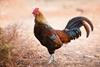
NewsDeadly chicken disease: ancient DNA reveals evolution of virulence
Using genetic analyses, an international team has revealed the evolutionary history of the pathogen of a fatal disease in chickens.
-
 News
NewsProspective study clarifies the role of an innovative metagenomic tool in diagnosing infection
A new study aims to improve use of metagenomics using next-generation sequencing (mNGS) to identify a wide range of pathogens, including rare or novel microorganisms.
-
 News
NewsResearchers to develop vaccine candidates against Marburg viruses
The multidisciplinary European consortium MARVAX will receive 7.4 million euros over the next four years for the research and development of vaccines against Marburg viruses.
-
 News
NewsCoevolution and UV spectrum help Santa’s reindeer feast after flight
The eyes of Rudolph and his reindeer brethren may have evolved so that they can spot their favorite food - a lichen called reindeer moss - during dark and snowy Arctic winters.
-
 News
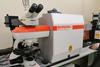
NewsNovel bacteria identification methods might help speed up disease diagnosis
A new study applied spectroscopic techniques for quick analysis for identification of Pseudomonas aeruginosa directly from an object - in this case, turtle skin.
-
 News
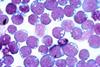
NewsMultiple sclerosis: Possible basis for vaccine researched
Researchers have shown that the risk of MS is particularly high in people with a combination of certain host factors and variants of the Epstein-Barr virus (EBV).