
All University of Edinburgh articles
-
 News
NewsNew drug target identified in fight against resistant infections
Researchers have identified new drug targets within a special repair system possessed by certain bacteria, known as Rtc, which enables them to counteract the effects of these antibiotics.
-
 News
NewsResearch finds higher rare risk of heart complications in children after COVID-19 infection than after vaccination
A whole-population study showed that although these conditions were rare, children and young people were more likely to experience heart, vascular or inflammatory problems after a COVID-19 infection than after having the vaccine — and the risks after infection lasted much longer.
-
 News
NewsNew jab protects babies from serious lung infection, study shows
Vaccination of pregnant women has been linked to a drop in newborns being admitted to hospital with a serious lung infection, research suggests.
-
 News
NewsEstrela brings microbial research to Texas A&M AgriLife Department of Nutrition
Sylvie Estrela, Ph.D., has joined the Texas A&M College of Agriculture and Life Sciences Department of Nutrition as an assistant professor. Estrela’s research focuses on microbial interactions, specifically, the way nutrients can impact bacterial communities.
-
 News
NewsPhage expert Graham Hatfull elected as a Fellow of the Royal Society
Graham Hatfull, Eberly Family Professor of Biotechnology and HHMI Professor in the University of Pittsburgh Kenneth P. Dietrich School of Arts and Sciences, has been named a Fellow of the Royal Society.
-
 News
NewsSusceptibility to bovine TB in cattle traced to key genes
A new study identifying genetic factors contributing to bovine tuberculosis (bTB) susceptibility has found several key genes and pathways involved in the bovine response to Mycobacterium bovis, the causative agent of the disease in cattle.
-
 News
NewsScottish bio-tech company secures £3.4m investment
Scottish biotech engineering company uFraction8 has secured £3.4m in new investment following the completion of a funding round led by Foresight Group.
-
 News
NewsBacteria evolved to help neighboring cells after death, new research reveals
A study has shown that a type of E coli bacteria produces an enzyme which breaks the contents of their cells down into nutrients after death. The dead bacteria are therefore offering a banquet of nutrients to the cells that were their neighbours when they were living.
-
 Careers
The Space Microbiology Group
The Space Microbiology Group studies how microorganisms behave in space conditions, using tools such as microbiology, molecular biology, system biology and geomicrobiology to learn how new biotechnologies could be applied to space.
-
 News
NewsKeeping fewer friends protects ageing monkeys from diseases
New research shows becoming less sociable protects older monkeys from getting ill.
-
 News
NewsSaline nasal drops reduce the duration of the common cold in young children by two days
Using hypertonic saline nasal drops can reduce the length of the common cold in children by two days, according to a study that will be presented at the European Respiratory Society (ERS) Congress.
-
 News
NewsNew study reveals metabolites key to faster intestinal recovery for cancer patients
A collaborative study has uncovered how metabolites drive communication between gut microbes and human cells to aid intestinal recovery after chemotherapy. This research offers new hope for enhancing cancer treatment outcomes.
-
 News
NewsIncidence of heart attacks and strokes found to be lower after COVID-19 vaccination
A new study involving nearly the whole adult population of England has found that the incidence of heart attacks and strokes was lower after COVID-19 vaccination than before or without vaccination.
-
 News
NewsNew study provides insights into COVID-19 vaccine uptake among children and young people
COVID-19 vaccine uptake among children and young people was low across all four UK nations, compared to other age groups, according to the first research study to look at data from all four UK nations.
-
 News
NewsVirus ancestry could aid bid to predict next pandemic, study finds
Virus family history could help scientists identify which strains have potential to become the so-called Disease X that causes the next global pandemic.
-
 News
NewsWest Nile virus emergence and spread in Europe linked to agricultural activities
The spread of West Nile virus in Europe is strongly linked to agricultural activities, urbanization, and bird migration, according to a modelling study.
-
 News
NewsFirst all-UK study of 67m people reveals consequences of missed COVID-19 vaccines
The first research study of the entire UK population highlights gaps in COVID-19 vaccine coverage. Between a third and a half of the population had not had the recommended number of COVID vaccinations and boosters by summer 2022.
-
 News
NewsGlobal response to antimicrobial resistance ‘insufficient’
Governments around the world must do more to tackle the growing threat of drug-resistant infections, new research suggests.
-
 News
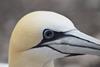
NewsBlack eyes in seabirds indicates bird flu survival
A new study has discovered evidence that Northern Gannets can recover from Highly Pathogenic Avian Influenza (HPAI) H5N1, with black irises indicating a previous infection.
-
 News
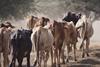
NewsScientists show how livestock systems act as a reservoir for antimicrobial-resistant bacteria
Scientists from the International Livestock Research Institute (ILRI), the University of Liverpool, the University of Edinburgh and elsewhere have traced how livestock systems act as a reservoir for antimicrobial-resistant (AMR) bacteria and AMR genetic determinants that may infect or colonize people. Source: Leo Li Cattle in Kenya ...