
All University of Konstanz articles
-
 News
NewsA tiny bacterium with a huge impact
Researchers have discovered that gut bacteria and the compounds they produce trigger biological processes that the human body on its own can only activate with difficulty. They help suppress inflammation and may also have beneficial effects on fatty liver disease.
-
 News
NewsAn enzyme with potential: New type of plastic-degrading enzyme discovered in bacteria
Researchers have identified a new enzyme that can not only degrade certain polyesters and bioplastics, but also might provide bacteria with resistance to antibiotics. The discovery raises hopes that microorganisms can adapt to plastic degradation more rapidly than previously thought.
-
 News
NewsThe evolution of individual species can shape entire species communities
A study demonstrated that the evolution of a single species can alter the composition of an entire species community. The study monitored a microbial community composed of 23 bacterial species for four years. Researchers analysed the community’s species composition and changes in bacterial genomes.
-
 News
NewsPredicting the development of biological communities in different kinds of ecosystems
Researchers tested a mechanistic consumer-resource model and confirmed its high predictive capacity. Using the model, the researchers refined current rules on the coexistence of species, too. Their findings can be applied to any situation in which communities of organisms compete for resources.
-
 News
NewsBeyond health: The political effects of infectious disease outbreaks
A new study gives empirical evidence that individuals who experienced an infectious disease outbreak show significantly less trust in the political establishment.
-
 News
NewsScientists ID new drug target for treating cancer and viral infections
An international team of researchers has identified a molecular mechanism that regulates the activity of N-myristoyltransferases, enzymes that ensure the proteins’ function by chemically modifying them during their production.
-
 News
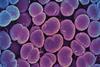
NewsNew antibiotic for multidrug resistant superbug triggers suicide mechanism
Researchers have discovered a new class of antibiotic that selectively targets Neisseria gonorrhoeae, the bacterium that causes gonorrhoea.
-
 News
NewsMesocosms allow scientists to study the biodiversity of aquatic organisms
With a new facility funded by the Gips-Schüle Foundation, researchers at the University of Konstanz’s Limnological Institute can now study the development of biodiversity of bodies of water, such as Lake Constance.
-
 News
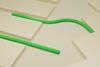
NewsBuckling point reveals secrets of cyanobacteria locomotion
Scientists investigating cyanobacteria locomotion have found that the filamentous threads start to kink and buckle at a length of around 150 micrometres.
-
 News
NewsLongstanding mystery of phosphite solved with help of sewage plant
Biologists have discovered a phosphorus-based bacterial metabolism that is both new and ancient, thanks to a calculation from the 1980s, a sewage plant, a new bacterial organism, and a remnant from around 2.5 billion years ago.
-
 News
NewsMicrobial metabolites linked to Parkinson’s disease
Researchers have uncovered a microbial metabolite’s role in inducing Parkinson’s-like symptoms. This discovery could reshape our understanding of the environmental triggers of Parkinson’s disease.