
All Waste Management articles – Page 3
-
 News
NewsSeashells and coconut char: A coastal recipe for super-compost
Researchers have developed a calcium-modified biochar that speeds up waste recycling and creates nutrient-rich soil, boosting specialized microbial communities that break down tough materials like lignin and convert them into stable humus.
-
 News
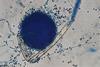
NewsFungus unlocks hidden phosphorus from massive industrial waste
Researchers have shown that Aspergillus niger can extract large amounts of residual phosphorus from phosphogypsum, a byproduct of phosphoric acid production that is generated in enormous quantities worldwide. More than 40 per cent of the phosphorus locked inside this waste material can be recovered.
-
 News
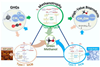
NewsMethane eating microbes turn a powerful greenhouse gas into green plastics, feed, and fuel
Methane eating microbes could help turn a powerful greenhouse gas into everyday products like animal feed, green plastics, and cleaner fuels, according to a new scientific review of fast moving research on these unusual bacteria.
-
 News
NewsPine bark removes pharmaceutical residues from wastewater – an affordable way to keep antibiotics out of nature
Researchers have developed a pine‑bark–based water‑treatment medium that efficiently removes antibiotics as well as residues of blood‑pressure and antidepressant medicines from wastewater treatment plant effluent.
-
 News
NewsResearchers eye goal of turning garden and crop waste into plastics
A research team will combine eco-friendly and application-oriented approaches to develop a cost-effective, energy-efficient technology for making innovative plastics based on polybutylene succinate (PBS) which are made entirely out of organic waste.
-
 News
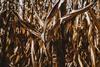
NewsTurning crop waste into precision weapons against waterborne pathogens
Researchers have developed a novel class of biomass-derived carbon dots that selectively eradicate Staphylococcus aureus in water, using corn straw to synthesize amine-modified nanomaterials that act as oxidase mimics, enabling targeted bacterial inactivation without harming beneficial microorganisms.
-
 News
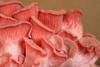
NewsFeeding plant remnants to fungi produces tasty protein to fortify vegan, vegetarian diets
Researchers fed the side streams of carrot production to fungi, generating a sustainable source of protein. They incorporated the new protein into proof-of-concept vegan patties and sausages that testers ranked as tastier than food made from plant-based proteins.
-
 News
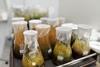
NewsMoss and symbionts offer a promising solution for removing metals from mining and forestry-impacted waters
New findings shed light on the mechanisms behind a natural purification process and identify the key microbial “teammates” that enable mosses to remove metals from water. The new study reveals that mosses do not remove metals alone. The key is the cooperation between the moss and its microbial symbionts.
-
 Careers
CBCTA 2024 oral presentation winners: Isabella and Lia take home the honours
Letters in Applied Microbiology sponsored the best oral presentation award at the 29th Brazilian Congress of Food Science and Technology (CBCTA 2024). Winner Isabella Bassoto Xavier and runner-up Lia Mariano Aquino take a dive into their research.
-
 News
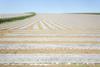
NewsBlack carbon from wheat straw burning shown to curb antibiotic resistance spread in farmlands with plastic mulch residues
A new study reveals that black carbon formed during wheat straw burning can significantly reduce the spread of antibiotic resistance genes in soil and soybean crops, offering a promising strategy for safer and more sustainable farming in regions burdened by plastic mulch debris.
-
 News
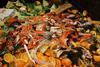
NewsBiochar boosts hydrogen and methane yield in next-generation food-waste-to-energy systems
A research team has demonstrated that adding biochar to two-phase anaerobic digestion systems can significantly increase hydrogen and methane production from food waste, while maintaining system stability under high organic loading rates.
-
 News
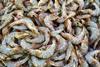
News‘Smart wrap that breathes and warns’ - cellulose film cuts oxygen 99% and changes color when shrimp goes bad
Researchers have revealed how one-step dual-engineering turns plant nanofibers into a transparent cellulose that keeps food fresh and tells consumers when it is not.
-
 News
NewsLivestock manure linked to the rapid spread of hidden antibiotic resistance threats in farmland soils
Scientists have uncovered how even “low-risk” organic fertilizers like dried poultry manure can inadvertently drive a dramatic surge in dangerous antibiotic resistance genes, once released into vegetable plots used for food crops.
-
 News
NewsResearchers diagnose disease with a drop of blood, a microscope and AI
Scientists have developed an automated, high-throughput system that relies on imaging droplets of biofluids for disease diagnosis in an attempt to reduce the number of consumables and equipment needed for biomedical testing.
-
 News
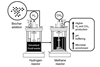
NewsBiochar boosts clean energy output from food waste in novel two-stage digestion system
A new study from researchers at the University of Western Australia and Universitas Brawijaya has found that adding biochar to advanced food waste recycling systems can significantly increase the clean energy yields of hydrogen and methane. This breakthrough offers promising strategies for municipalities and industries aiming to turn food scraps ...
-
 News
NewsManure digesters on farms carry limited benefits and potential harms
Manure digesters, touted as eco-friendly solutions for managing agricultural waste and reducing greenhouse gases, have limited capacity to reduce livestock-related greenhouse gas emissions, and entail potential hazards that may outweigh their benefits.
-
 News
NewsResearchers discover microbes turning food waste into energy
Researchers have identified a previously unknown microbe that plays a crucial role in converting food waste into renewable natural gas, using a molecular tagging approach that could also detect other elusive microbes - including those that are breaking down microplastics in the ocean.
-
 News
NewsFeeding off spent battery waste, a novel bacterium signals a new method for self-sufficient battery recycling
A unique bacterium that thrives in highly acidic environments feeds on spent battery “waste”, making it a promising new method for self-sufficient battery recycling. Acidithiobacillus ferrooxidans (Atf) has a natural metabolic cycle that produces protons capable of leaching electrode materials from spent batteries.
-
 News
NewsCofactor engineering with phosphite dehydrogenase enables flexible regulation of lactate-based copolymer biosynthesis in E. coli
A new breakthrough enables higher yields of poly(3-hydroxybutyrate-co-lactate) [P(3HB-co-LA)] without disrupting bacterial growth, paving the way for more sustainable bioplastic manufacturing.
-
 News
NewsScientists turn algae and crop waste into valuable fuels and nanomaterials
Researchers have developed a clean and efficient process to transform microalgae and agricultural residues into a range of high-value products, including biofuels, bio-adsorbents, and fluorescent carbon nanodots.