
All AMR in the Environment articles
-
 Careers
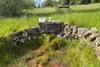
A day in the life: Discovering the hidden microbes of Britain’s historic waters
PhD student Wewerly Fernandes outlines her investigations into the microorganisms living in Britain’s historic wells and natural springs - once believed to hold healing properties and linked to legends of Merlin and renowned figures like Robert Burns.
-
 News
NewsHospital wastewater controls help contain antibiotic resistance in nearby waters
A new study of hospital wastewater reports that geography, rather than hospital proximity, primarily shaped resistance-gene profiles where wastewater controls were well established.
-
 News
NewsTire microplastics may accelerate the spread of antibiotic resistance in cities
A new perspective article suggests that tire microplastics could create environmental hotspots that help antibiotic resistance genes persist, move between bacteria, and spread through cities.
-
 News
NewsPartners in crime produce extreme antibiotic resistance
A study shows how environmental bacteria enter the lungs during an infection and transfer antibiotic resistance genes to disease-causing bacteria.
-
 News
NewsIndustrial poultry farming is accelerating the spread of a major foodborne disease
A new study reveals that industrial poultry farming has led to more than 100-fold increase in the movement of Campylobacter, allowing strains that once circulated in wild birds to mix extensively in commercial poultry populations.
-
 News
NewsNew open-access database maps pathogens and antibiotic resistance risks in coastal waters
A new global database brings together information on disease-causing microorganisms, antibiotic resistance genes, and virulence factors in coastal waters, offering a practical tool for assessing biological risks in estuaries and other nearshore environments.
-
 News
NewsHigh-resolution map reveals where veterinary antibiotics enter China’s environment
A new study has developed a high-resolution, county-level inventory of veterinary antibiotic emissions across China, offering researchers and policymakers a clearer picture of where these pollutants originate and where they may accumulate.
-
 News
NewsAntibiotic resistant gene found in Australian soil
A new study reveals a hidden source of antibiotic resistance. The novel gene found in contaminated freshwater NSW sediment provides bacteria with resistance to polymyxin - a critical last line antibiotic, used when others stop working.
-
 News
NewsHelpful microbes could battle pathogens in our hospitals and schools - with the help of AI to make it work
Helpful microbes that combat harmful pathogens could be the answer to rising antimicrobial resistance, particularly within built environments such as hospitals, homes and schools, says a new review.
-
 News
NewsNovel plasmid confers phosphorylation-driven streptomycin resistance in plant pathogen
The genetic basis underlying the unusually high-level streptomycin resistance observed in the field-derived strain TX-0702 of Clavibacter michiganensis has remined unknown until a new study identified a previously uncharacterized plasmid.
-
 News
NewsMicrobes frozen in ancient rubbish heaps help reconstruct ancient Greenlanders’ farms, seal hunts, and toilets
The microbiome of ancient middens in Greenland sheds new light on the daily life of Paleo-Inuit and old Norse communities. Researchers say the middens in the cold Arctic acted like long-term natural experiments, with human- and animal-associated bacterial signals remaining detectable many centuries later.
-
 News
NewsRice husk biochar catalyst breaks down antibiotic pollutant in minutes
A new biochar supported cobalt oxide catalyst rapidly removes levofloxacin from water while revealing a key reaction mechanism for cleaner wastewater treatment.
-
 News
NewsResearch forecasts global antimicrobial resistance threats for the next two decades
New research has analysed antimicrobial resistance (AMR) on a global scale to predict how resistance patterns could evolve by the year 2050, identifying around 210 resistance traits that could pose the greatest future risk.
-
 News
NewsAntibiotics drive resistance in waterways - even after they break down
Antibiotics continue to drive resistance to bacteria, even after they are broken down in wastewater treatment plants and discharged into rivers and seas, new research published on World Oceans Day has shown for the first time.
-
 News
NewsDrug-resistant bacteria found in homes from sewage overflow
A new study shows that sewage overflows in homes can expose people to bacteria that can make them sick, including antibiotic-resistant and multidrug resistant bacteria which can make infections difficult to treat.
-
 News
NewsIron-modified biochar turns soil oxygen into a cleaner for antibiotic pollution
Antibiotic residues in agricultural soils are an emerging environmental concern, with potential impacts on soil health, crop safety, and the spread of antimicrobial resistance. A new study reports on an iron-modified biochar that helps soil use its own oxygen and iron chemistry to break down sulfamethoxazole.
-
 Careers
Voice of the Future: Inspiring conversations at the science-policy interface
Earlier this year, Suparna Mitra and Alan Koh took part in the Royal Society of Biology’s Voice of the Future event at Parliament, representing AMI. Here they reflect on the experience and what they took away from it.
-
 News
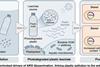
NewsSunlight and PVC pipes create a hidden driver of antibiotic resistance
New research shows that chemicals leaching from everyday PVC—especially after exposure to sunlight—can dramatically speed up the spread of resistance genes between bacteria. The effect was strongest at low to moderate concentrations, where the leachate triggered bacterial stress responses without killing the microbes.
-
 News
NewsResearchers uncover hidden health risks from urban airborne microbes
Researchers have discovered that seemingly insignificant microbial components in the air, including bacteria, fungi, viruses and cellular debris, pose a long-overlooked health hazard. Bacterial endotoxins can trigger inflammatory responses in the human respiratory system in nearly 20% of cases.
-
 News
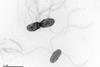
NewsWhy antibiotics may soon fail to curb the plague bacterium - and where we can find new strategies
A new review shows that while most infections caused by the Yersinia plague bacterium can currently be treated with antibiotics, concerns about rising antimicrobial resistance mean that we need to come up with new ways to disarm the bacteria instead of killing them.