
All Asia & Oceania articles – Page 38
-
 News
NewsResearchers develop novel sensor-integrated wrapper for food quality monitoring and preservation
A research team has developed a two-in-one nanostructured SERS sensor integrated into a stretchable and antimicrobial wrapper (NSSAW) that not only monitors food directly on the surface but also actively preserves it.
-
 News
NewsAcid rain may be training soil bacteria to become more deadly
Acid rain from fossil fuel pollution may be quietly training soil bacteria to become longer-lived, more transmissible, and more deadly, according to a new study that tracks how a notorious foodborne pathogen rapidly evolved under simulated acid deposition.
-
 News
NewsCuring hepatitis C can rebalance immunity in Indonesians living with HIV
A new study provides the first longitudinal immunological data on HIV/HCV-coinfected individuals in Southeast Asia, underscoring the importance of early hepatitis C treatment to prevent long-term immune and liver complications.
-
 News
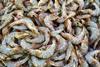
News‘Smart wrap that breathes and warns’ - cellulose film cuts oxygen 99% and changes color when shrimp goes bad
Researchers have revealed how one-step dual-engineering turns plant nanofibers into a transparent cellulose that keeps food fresh and tells consumers when it is not.
-
 News
NewsIsland-wide field surveys illuminate land-sea connections in Mo‘orea
A multi-year scientific expedition determined that land use on tropical islands can shape water quality in lagoons and rainfall can be an important mediator for connections between land and lagoon waters.
-
 News
NewsFestive cheer: Soaked raisins ferment to turn water into wine
Scientists have discovered that soaking sun-dried raisins in water is a successful method of creating wine. It was thought that ancient wine production relied on the natural fermentation process of storing crushed grapes in jars, but Saccharomyces cerevisiae rarely colonizes grape skins.
-
 News
NewsHospital infections associated with higher risk of dementia
A large-scale meta-analysis shows that adults hospitalized with infections have a significantly higher risk of developing dementia. Among the types of infections studied, sepsis carried the highest risk, followed by pneumonia, urinary tract infections, and skin or soft tissue infections.
-
 News
NewsNew study reveals how a common antibiotic disrupts nitrogen cycling and boosts greenhouse gas emissions in estuaries
Antibiotics may have far reaching impacts on wetland chemistry, according to a new study that identifies the bacteria responsible for breaking down the antibiotic sulfamethoxazole and links this process to increased emissions of nitrous oxide, a potent greenhouse gas.
-
 News
NewsCircadian rhythms as a modulator of gut microbiota-tumor microenvironment crosstalk
A new review examines how circadian disruption modifies the diversity and metabolic functions of gut microbiota, resulting in alterations of microbial metabolites, including short-chain fatty acids and secondary bile acids.
-
 News
NewsEmerging human and canine leptospirosis in New South Wales shows separate transmission pathways
A geospatial study of leptospirosis outbreaks in New South Wales suggests that humans and dogs may have largely independent transmission pathways.
-
 News
NewsNew Arkansas Clean Plant Center partnership to boost Indian agriculture
The University of Arkansas System Division of Agriculture has entered a five-year agreement with the Indian National Horticulture Board and Ministry of Agriculture and Farmers Welfare to help farmers in India improve agricultural production by limiting spread of pathogens.
-
 News
NewsNatural, non-engineered bacterium selectively targets colorectal cancer
Scientists have demonstrated that the marine bacterium Photobacterium angustum exhibits potent antitumor effects against colorectal cancer. The natural bacterium requires no genetic modification yet selectively accumulates in tumor tissues with minimal impact on healthy organs.
-
 News
NewsToxic gut bacteria may drive ulcerative colitis by killing protective immune cells
A toxin-secreting gut bacterium may fuel ulcerative colitis by killing protective immune cells that maintain intestinal homeostasis, according to a new study. The findings suggest potential for new treatment strategies.
-
 News
NewsMicrobial nano-selenium breakthrough boosts tea quality and safety
Scientists developing selenium-enriched tea have identified a powerful selenium-reducing bacterium, Raoultella ornithinolytica S-1, capable of converting inorganic selenium into selenium nanoparticles (SeNPs) while simultaneously promoting plant growth.
-
 News
NewsScientists reveal molecular cause behind “stuck” beer fermentation
Premature yeast flocculation (PYF) is a persistent issue in beer brewing, where yeast settles too early during fermentation. New research identifies multiple differential metabolites and confirmed galangin as a key factor that promotes early yeast aggregation.
-
 News
NewsScientists develop world’s first modular co-culture platform for the one-pot production of rainbow-colored bacterial cellulose
The team engineered Komagataeibacter xylinus for bacterial cellulose synthesis and Escherichia coli for natural colorant overproduction. A co-culture of these engineered strains enabled the in situ coloration of bacterial cellulose.
-
 News
NewsLivestock manure linked to the rapid spread of hidden antibiotic resistance threats in farmland soils
Scientists have uncovered how even “low-risk” organic fertilizers like dried poultry manure can inadvertently drive a dramatic surge in dangerous antibiotic resistance genes, once released into vegetable plots used for food crops.
-
 News
NewsResearchers diagnose disease with a drop of blood, a microscope and AI
Scientists have developed an automated, high-throughput system that relies on imaging droplets of biofluids for disease diagnosis in an attempt to reduce the number of consumables and equipment needed for biomedical testing.
-
 News
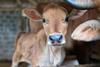
NewsImpact of pasteurization on dairy calves’ gut microbiota: A study of milk feeding and early microbial colonization
A new study highlights the impact of pasteurization on microbial diversity in dairy calves, underlining the importance of balancing pathogen safety and microbial health. It suggests that while pasteurization prevents pathogen transmission, it also reduces beneficial microbial transfer.
-
 News
NewsGenetically engineered fungi are protein packed, sustainable, and taste similar to meat
Researchers used CRISPR to increase a fungus’s production efficiency and cut its production-related environmental impact by as much as 61%—all without adding any foreign DNA. The genetically tweaked fungus tastes like meat and is easier to digest than its naturally occurring counterpart.