
All Bacteria articles – Page 31
-
 News
NewsHigh-fat diets cause gut bacteria to enter brain, study finds
A new study, performed using mouse models, establishes that live bacteria from an imbalanced gut microbiome can enter the brain via the vagus nerve. The vagus nerve connects the brainstem to the heart, lungs, and major abdominal organs, including the stomach, intestines, liver and more.
-
 News
NewsNew gel-based system allows bacteria to act as bioelectrical sensors
Researchers have developed a safe bioelectronic sensor that allows for effective electronic communication even in liquid environments. The system uses the naturally occurring polymer chitosan, acting as a kind of shell to keep the bacteria from escaping.
-
 News
NewsSurface treatment of wood may keep harmful bacteria at bay
A recent study suggests that bacteria thrive more readily on untreated than treated wood surfaces. The finding has implications for hygiene in both homes and public spaces.
-
 News
NewsCorpses leave microbial fingerprints behind in the soil long after they’re gone
Researchers have found that trace elements of a cadaver linger at an original dump site even after an extensive amount of time. These elements can provide insights into postmortem processes, helping forensic investigators uncover clandestine burials and relocate the remains of murder victims.
-
 News
NewsMothers' exposure to microbes protect their newborn babies against infection
A study dives into new depths to explore why only some babies develop severe infection to common bacteria. The research revealed that the babies that became most severely ill from E. coli infections also had markedly lower levels of germ-fighting antibodies transferred from their mothers.
-
 News
NewsThe gut can drive age-associated memory loss
Scientists have discovered that the aging gastrointestinal tract produces specific molecules that blunt the activity of a key gut-brain neuronal pathway, leading to age-related cognitive decline in mice.
-
 News
NewsResearch guides response to unprecedented 2023 E. coli outbreak affecting Calgary kids
Protocols developed by scientists informed care when hundreds of children were sick due to a severe strain of E. coli. Overall, 40 children were hospitalized, 21 developed HUS and nine required dialysis. The number of children who developed HUS was less than half of what would typically occur in an outbreak of this size.
-
 News
NewsTicks carrying more than one pathogen are on the rise in US Northeast
Tick-borne diseases are on the rise in the northeastern US, with many ticks carrying more than one pathogen. Most commonly found together were Borrelia burgdorferi and Babesia microti. Co-infection with these two pathogens was more frequent than expected, approaching 11% by the end of the study.
-
 News
NewsResearchers uncover how bacteria suppress immune defences in stubborn wound infections
A common bacterium can suppress the body’s early warning system in wounds, causing infections to persist and create an environment that allows other bacteria to take hold. Enterococcus faecalis releases large amounts of lactic acid in the wound, which lowers pH, weakens immune cells and prevents them from fighting an infection.
-
 News
NewsIsland birds reveal surprising link between immunity and gut bacteria
Scientists have uncovered a hidden link between gut health and the immune system, all thanks to a tiny island bird. They collected the poo of the Seychelles warbler to analyse their gut bacteria – and found that their immune genes influence which gut microbes thrive.
-
 News
NewsLow-cost preventive measures could mitigate spread of bacteria causing neonatal mortality
A new study found that a multifaceted infection prevention and control intervention could at least temporarily thwart outbreaks of infections from the Klebsiella pneumoniae bacterium.
-
 News
NewsSpecific gut bacteria species linked to muscle strength
A species of gut bacteria called Roseburia inulinivorans is specifically associated with human muscle strength and improved muscular performance in mice, finds new research. R inulinivorans changes certain metabolic processes in muscle, and converts muscle fibres to ‘fast-twitch’ (type II).
-
 News
NewsGut bacteria drive process that protects colon tissue
Researchers have shown that the identity of distinct regions of the colon are regulated by the gut microbiome. They identified nicotinic acid, a molecule produced by certain bacteria in the gut microbiome, as a main driver of these regional differences in the colon’s sections.
-
 News
NewsFrom microbial processes to biofilm control: our interview with JAM Microbial Biotechnology lead editor Manuel Simões
Professor Manuel Simões, Deputy Editor of the Journal of Applied Microbiology, has just been appointed as the journal’s new lead editor in Microbial Biotechnology. Here’s why he’s looking forward to the challenge.
-
 News
NewsAntibiotic resistance can vary depending on where the bacteria live
Antibiotic susceptibility in resistant bacteria is not static. New research shows that bacteria harbouring resistance genes may respond differently to antibiotics if they are tested under conditions other than those used in standard laboratory assays.
-
 News
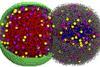
NewsTeam simulates a living cell that grows and divides
By simulating the life cycle of a minimal bacterial cell — from DNA replication to protein translation to metabolism and cell division — scientists have opened a new frontier of computer vision into the essential processes of life.
-
 News
NewsStay or stray? Scientists discover why some gut microbes persist after fecal transplants
Scientists have identified why some gut microbes successfully stay in the gut after faecal transplants, whilst others are much more transient. They tracked key genetic features of gut bacteria in 86 healthy adults over the course of a year.
-
 News
NewsStudy investigates how microbes use ancient carbon
Researchers investigated a hydrothermal vent system at a depth of about ten meters off the coast of Kueishantao island in Taiwan. They tracked the path of this carbon in the surrounding sea and its uptake by microorganisms and other living things.
-
 News
NewsWhen rats run, their gut bacteria rewrite the chemical conversation with the brain
A new study suggests that exercise stimulates a molecular link between gut bacteria and the brain. The research examined what happens to the gut microbiota, circulating metabolites, and hippocampal gene expression when rats are given free access to a running wheel for eight weeks.
-
 News
NewsTiny vesicles, big risk: Environmental sweeteners trigger antibiotic resistance transfer
A new study reveals that mixtures of artificial sweeteners can stimulate soil bacteria to release microscopic extracellular vesicles that carry antibiotic resistance genes (ARGs).