
All Bacteria articles – Page 85
-
 News
NewsStudy uncovers the core principles of low-resistance antibiotics
Researchers have demonstrated that a dual-target approach, combining membrane disruption with an additional critical cellular pathway, significantly prevents the development of resistance in bacteria.
-
 News
NewsCan Rhizobium + low P increase the yield of common bean in Ethiopia?
A study found that bean inoculation with Rhizobium alone or in combination with P application, can increase grain yield of two common bean cultivars in Ethiopia.
-
 News
NewsProactively exposing ecosystems to mild environmental stressors appears to offer protection
Mild, proactive exposure to environmental stress can help biological communities resist severe disturbances and maintain genetic diversity, a recent study has found.
-
 News
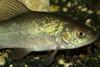
NewsMotion capture: In a world first, motility apparatus of Mycoplasma mobile clarified
Mycoplasmas, including bacteria that cause pneumonia in humans, are generally nonmotile, but Mycoplasma mobile, as the species name suggests, has been found in the gills of fish and seems to move by gliding along surfaces. The molecular structure that allows it to do so has for the first time been ...
-
 Careers
My PhD Experience: Collaborations between academia and industry in the microbial bioremediation of marine oil pollution
Jake A Smallbone reveals how a industry collaboration as part of his PhD led to work on a real world oil spill to uncover the fascinating ways that bacterial communities respond to pollution and can be deployed as biomarkers and in bioremediation.
-
 News
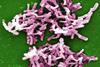
NewsSynthetic microbiome therapy suppresses bacterial infection without antibiotics
A synthetic microbiome therapy, tested in mice, protects against severe symptoms of a gut infection that is notoriously difficult-to-treat and potentially life threatening in humans. Clostridioides difficile is a bacterium that can cause severe diarrhea, abdominal pain and colon inflammation.
-
 News
NewsResearchers reveal key mechanism behind bacterial cancer therapy
A research team has elucidated the mechanism behind bacterial cancer therapy using a genetically engineered bacterial strain.
-
 News
NewsScientists track pneumonia-causing bacteria as they infect the blood stream
A new study has shown various dissemination patterns can be adopted by Klebsiella pneumoniae that causes systemic infection, i.e. bacteremia.
-
 News
NewsIsolated population of chlamydia-free koalas even more vulnerable to the disease
Koalas in south-western Sydney are among the very few in New South Wales (NSW) still free of chlamydia, yet a new study shows they are less likely to adapt to the disease should it arrive on their doorstep.
-
 News
NewsE. coli strain in Egyptian dairy products also found in Japan school outbreak
Researchers found E. coli prevalent in over 25% of popular milk and dairy products in Egypt. One of the E. coli strains they isolated from the samples collected in 2018 in Egypt had the same characteristics as the E. coli that caused food poisoning in Japan in 2021.
-
 News
NewsMontana State scientist receives $2.8 million grant to advance Lyme disease research
Funding from the National Institutes of Health will allow a Montana State University research team to deepen explorations into a disease that is posing an increasing threat in the U.S. Lyme disease is a bacterial infection transmitted by ticks.
-
 News
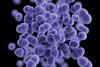
NewsReactive nitrogen species dominance is key in the fight against antimicrobial resistance
The balance between two types of molecules – reactive nitrogen species (RNS) and reactive oxygen species (ROS) – plays a crucial role in tackling drug-resistant bacteria, according to a new study.
-
 News
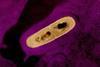
NewsTwo different sequence types of Listeria monocytogenes strains used for veterinary vaccines in Russia
Live whole-cell vaccine AUF (LWCV AUF) is used for the prevention of listeriosis in farm animals in Russian regions. A new study investigated whether the two strains used might belong to the same phylogenetic lineage and possess identical sequence types (STs).
-
 News
NewsWorld first clinical trial will study specialized ‘poop pills’ to improve treatment of advanced pancreatic cancer
A world-pioneering fecal microbiota transplantation pill will undergo a clinical trial, aiming to improve immune responses by remodifying the gut microbiome in patients with advance pancreatic cancer.
-
 News
NewsGastric bacteria ‘leaking across stomach lining’ could indicate risk of gastric cancer
A new discovery in the roles of gastric microbiota bacteria and Helicobacter pylori across the stomach lining during pre-cancerous stage of gastric cancer development could be the missing link for engineering future therapeutic intervention.
-
 News
NewsThe International Space Station is overly sterile - so making it ‘dirtier’ could improve astronaut health
The International Space Station (ISS) has a much lower diversity of microbes compared to human-built environments on Earth, and the microbes that are present are mostly species carried by humans onto the ISS, suggesting that the presence of more microbes from nature could help improve human health in the space station.
-
 News
NewsGenomic tools provide clearer view of health for endangered bats
Researchers have used advanced molecular tools to survey the health status of endangered Indiana bats, identifying microbiome changes resulting from parasitic infections.
-
 News
NewsNew method developed to dramatically enhance bioelectronic sensors
In a breakthrough that could transform bioelectronic sensing, researchers have developed a new method to dramatically enhance the sensitivity of enzymatic and microbial fuel cells using organic electrochemical transistors (OECTs).
-
 News
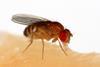
NewsA rapid and reproducible method for generating germ-free Drosophila melanogaster
Scientists have introduced a refined method for the production of germ-free Drosophila, complemented by a straightforward verification process to ascertain its efficacy.
-
 News
NewsA*STAR spin-off NalaGenetics implements nationwide drug reaction screening for leprosy patients in Indonesia
NalaGenetics, a spin-off from A*STAR Genome Institute of Singapore (A*STAR GIS), will be transforming leprosy treatments in Indonesia with a nationwide genetic screening programme with their PGx1301 diagnostic kit.