
All Bacteriophages articles
-
 News
NewsAn unusual bacterial defence system hides a powerful molecular switch
Researchers have uncovered a bacterial immune system that appears to work backwards. Unlike known retrons, which keep a toxin suppressed until infection, type VI retrons use phage-triggered DNA production to switch toxin activity on, revealing an unusually complex defence strategy that could inspire new gene-editing tools and antimicrobials.
-
 News
NewsBacterial immunity—or a form of sex?
Researchers have found that, under starvation stress, E. coli can use bacteriophages and CRISPR-Cas immunity to transfer and incorporate DNA, accelerating genetic reshuffling. The process resembles a primitive form of sexual reproduction and may help bacterial populations adapt to changing conditions.
-
 News
NewsResearch uncovers how bacteria fight viruses, opening the door to better virus-based antibiotics
New research has revealed that bacteria detect viruses when a viral enzyme cuts an important sensor molecule in the bacterium, kicking off the immune response. The discovery paves the way for development of better phage therapies that can evade the bacterial immune system.
-
 News
NewsFirst insight into the virome composition of the vulnerable Naemorhedus griseus
The Chinese goral (Naemorhedus griseus) has been identified as a vulnerable species on the Red List of China’s Biodiversity. Scientists performed the whole virome profiling of a rescue-failed Naemorhedus griseus, which identified a diverse viral community across multiple organ tissues of the animal.
-
 News
NewsNew tool closes gap on untapped potential of phages
A new tool to mutate bacteriophages – viruses that infect bacteria – provides a big leap forward in both our understanding of how they function, and our ability to harness their full potential. The new method allows for genome-wide mutagenesis of bacteriophages using CRISPR-Cas technology.
-
 News
NewsResearchers uncover what could make some bacteria-killing viruses more effective than others
Bacteriophages — or phages, for short — are viruses that kill bacteria, and scientists have been studying them for decades as a possible solution to antibiotic-resistant infections. But phages are notoriously picky eaters — a phage that can eradicate one bacterial strain is often powerless against others, even if the ...
-
 News
NewsGut microbiome features predict devastating disease affecting preemies
In a discovery that challenges long-standing assumptions about necrotizing enterocolitis, researchers have identified previously unknown predictors for the disease. They found that bacteria-infecting viruses and bacterial antibiotic resistance genes in the gut microbiomes of babies are additional harbingers of necrotizing enterocolitis.
-
 News
NewsFirst-of-its-kind preventative phage therapy provides promising results
The mammalian gut microbiome is teeming with a delicate balance of bacteria and the phages that keep them in check. What if the phages in the gut could prepare for an orally ingested pathogen and strike it down as it enters the gut, negating the need for a battle?
-
 News
NewsAMI welcomes new member to its Board of Trustees
Applied Microbiology International has welcomed Professor Les Baillie as the latest member of its Board of Trustees. We also bid a fond farewell and thank you to Professor Diane Purchase who is leaving the Board.
-
 News
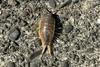
NewsWhat happens when a shoreline scavenger consumes microplastics?
Researchers report on what happens when wharf roaches, a common shoreline scavenger, eat expanded polystyrene (EPS). Analysis of the wharf roach gut microbiome showed little change, but several rare microbes were found only in the EPS-fed specimens.
-
 News
NewsMicro-bladder model offers clues to stopping recurrent UTIs
A new study shows that phage therapy – the use of tiny viruses to kill bacteria without harming people – could help to reduce recurrent infections, which happen when the bacteria responsible for UTIs ‘hide’ in the tissue of the bladder.
-
 News
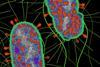
NewsA viral ‘loose cannon’ enzyme helps phages shut down bacterial defenses
Scientists have found how phages, viruses that infect bacteria, orchestrate an explosion of protein modifications inside host cells that helps them evade the bacteria’s immune systems.
-
 News
NewsFrom local waterways to future therapies: Inspiring the next generation of scientists through phage discovery
Coventry University welcomed students from schools across the West Midlands for an immersive outreach experience focused on bacteria, viruses, AMR, and the potential of bacteriophages as a future tool in combating antibiotic-resistant infections.
-
 News
NewsEngineered macrophages gain enhanced bacteria-targeting ability
A novel membrane interface engineering strategy enables immune cells to specifically recognize, capture and eliminate pathogenic bacteria without genetic modification.
-
 News
NewsThinking beyond antibiotics in the treatment of urinary tract infections
A promising new study combines phage therapy (PT) with fecal microbiota transplantation (FMT) to treat recurrent urinary tract infections.
-
 News
NewsNew framework to reveal how microbial modulators can work alongside agricultural practices to boost plant performance
Scientists have proposed a new framework for understanding how microbes, soil fauna, viruses and compounds in the soil can be used alongside agricultural practices to reshape the native plant microbiome and boost plant performance.
-
 News
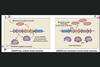
NewsResearchers find CRISPR-Cas coordinates layered bacterial defense network
A new study reveals that CRISPR-Cas plays a broader role in bacterial immunity. Rather than acting alone like a solitary sniper shooting at phages, it also serves as a central command center, directing a network of diverse innate immune systems.
-
 News
NewsScientists find hidden individuality in viral infections
An international team of researchers developed a new way to uncover hidden differences in how viruses infect and destroy individual microbial cells—solving a biological puzzle that has persisted for more than 80 years.
-
 News
NewsClinical trial aims to break the cycle of recurrent urinary tract infections with bacteria’s natural enemies
Researchers’ data-driven microbiological and phage therapy approaches may help move phage therapy beyond case-by-case experimental use toward a strategy that is predictable, measurable and clinically interpretable.
-
 News
NewsThe family tree of viruses just grew – and it paves the way for a new approach to agricultural research
Researchers have discovered that a group of viruses known to infect an agriculturally important plant pathogen has remained genetically stable for an astonishing four decades. The work also led to the classification and naming of the group of phages.