
All Candida albicans articles
-
 News
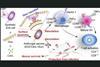
NewsEngineering bacterial surfaces with glucan nanofilms creates a potent vaccine platform against invasive fungal infections
A research team has developed a synthetic bacterium-based vaccine platform that uses engineered bacterial surfaces to assemble glucan nanofilms for enhanced antifungal immunity against pathogens such as Candida albicans.
-
 News
NewsAntifungal therapy shows potential for IBD patients with candida overgrowth
A commonly used systemic antifungal medication may help reduce symptoms in a subset of patients with inflammatory bowel disease (IBD) by restoring a healthier gut microbiome, according to a preliminary study.
-
 News
NewsNew discovery could help scientists fight deadly fungal infections
Researchers have discovered that the bacterial antibiotic ‘gladiolin’ can disarm Candida albicans, one of the leading causes of life-threatening fungal infections, opening new avenues for developing life-saving treatments.
-
 News
NewsFirst immune pathway discovered that stops a normally harmless fungus spreading through the body and causing deadly disease
An immune pathway has been discovered which prevents a normally harmless fungus developing into a fatal infection.
-
 News
NewsA 'copper economy' helps fungi and bacteria build better biofilms
Scientists have discovered that two common human pathogens can work together by managing copper in their shared environment - a finding that could open new ways to break down stubborn mixed biofilms.
-
 News
NewsEnvironmental fungi found to alter vaginal mycobiome and cervical disease progression during dysbiosis
Scientists have demonstrated for the first time that environmental fungi actively interact with the vaginal bacteriome and mycobiome with likely implications for cervical disease progression.
-
 News
NewsIntestinal Candida albicans is associated with subclinical coronary atherosclerosis in metabolic dysfunction-associated steatotic liver disease with cirrhosis
Researchers have published the first report of gut fungal dysbiosis associated with the severity of metabolic dysfunction-associated steatotic liver disease and subclinical coronary atherosclerosis. An increased abundance of fecal C. albicans was observed in patients with cirrhosis and high SCA burden.
-
 News
NewsBacterial hitchhikers can give their hosts super strength
Molecular hitchhikers living within bacteria can make their hosts extra resistant to medical treatment by corralling them into tightly packed groups. The study introduces a previously unknown avenue through which bacterial infections can become more difficult to treat.
-
 News
NewsAccomplices in the spotlight: When the interaction between fungi and bacteria becomes a dangerous alliance
Researchers discover new co-infection strategies of Candida albicans and Enterococcus faecalis. Only some E. faecalis strains significantly increased cell damage when infected simultaneously with Candida albicans. These strains produced cytolysin, a toxin that perforates cell membranes and kills the cells.
-
 News
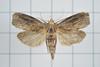
News Engineered moths could replace mice in research into “one of the biggest threats to human health”
Scientists have created the world’s first genetically engineered wax moths – a development which could both accelerate the fight against antimicrobial resistance (AMR) and significantly reduce the need for mice and rats in infection research.
-
 News
News A fungus living in our body can make melanoma more aggressive
A study has for the first time established the mechanism by means of which the Candida albicans fungus makes melanoma more aggressive. It activates several signalling pathways in the melanoma cells, creating an environment that helps to reprogram angiogenesis and metabolism.
-
 News
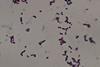
NewsFatal infection risk in newborns may increase when this bacteria and fungus mix
A new study reveals that when Streptococcus agalactiae (GBS) interacts with Candida albicans, GBS is more likely to spread disease and become harder to treat in newborns. Infection by both microbes reduces the effectiveness of existing GBS treatments.
-
 News
NewsImmune system keeps mucosal fungi in check
Researchers investigating the mechanisms that keep the fungus under control on our mucosa shed light on how homeostasis is maintained through the fine-tuned interplay between Candida albicans and the epithelial barrier on the one hand, and the immune system on the other hand.
-
 News
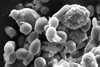
NewsNew study reveals how immune cells help defend against candida infections
New research shows that eosinophils, immune cells usually linked to allergies, also play a protective role against Candida infections by using the CD48 receptor to recognize the fungus and release proteins that stop its growth.
-
 Careers
Summer studentship: Owen investigates how fungal hyphae interact with lung cells
Owen Nicholson reports back on his AMI-sponsored summer studentship which investigated the role of Piezo1 in the immune response during fungal invasion of the human lung at the University of East Anglia.
-
 News
NewsGut microbiome affects alcohol preference by influencing brain’s reward system
A new study shows how an overgrowth of Candida albicans - overly abundant in people with alcohol use disorder - increases levels of inflammatory molecules that can cross the blood-brain barrier and affect the desire for alcohol.
-
 News
NewsPathogenic yeast strains found in urban air but not along the coast
A pilot study has found that urban air contained pathogenic strains of Candida yeast that were absent in coastal air samples, revealing a potential transmission method.
-
 News
NewsStudy shows mucus contains molecules that block Salmonella infection
Researchers have identified mucins that defend against Salmonella and other bacteria that cause diarrhea. They now hope to mimic this defense system to create synthetic mucins that could help prevent or treat illness in soldiers or other people at risk of exposure to Salmonella.
-
 News
NewsFungal toxin offers colonization support - in small doses
The yeast fungus Candida albicans not only uses the toxin candidalysin to cause infections, but also to colonize the oral mucosa inconspicuously – but only in finely balanced amounts. Too little toxin prevents oral colonization, too much triggers the immune system.
-
 News
NewsYeast in gut microbiome can worsen salmonella infection
Researchers have discovered that a yeast commonly found in our gut can make infection with salmonella worse. Salmonella binds to Candida albicans and triggers a chain reaction that allows the bacteria to better invade cells lining the intestines.