
All Chulalongkorn University articles
-
 News
NewsUniversity licenses indigenous Thai probiotic technology to Greater Pharma for commercialization
Chulalongkorn University, through the CU Innovation Hub, has signed a licensing agreement with Greater Pharma Manufacturing Co., Ltd. to transfer probiotic technology developed from indigenous Thai microbial strains. The technology will be commercialized as health products under the Prometa brand. This marks another significant step in bringing ...
-
 News
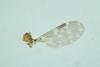
NewsInsect wing identifying app to tackle tropical disease threat
A mobile app that identifies disease-carrying insects from their wing patterns is being developed as part of a project using AI to help diagnose tropical diseases.
-
 News
NewsStudents develop milk pathogen test kit and win TED Youth Startup Grant
Inspired by the widely used and user-friendly COVID-19 strip test kits, a team of science students has developed a test kit for detecting pathogens in milk and dairy products. They combined the LAMP technique with strip test technology to create a simple screening tool for harmful bacteria.
-
 News
NewsLactobacillus rhamnosus L34: Native probiotic that reduces inflammation in patients with chronic kidney disease
Researchers in Thailand have discovered a native probiotic strain, Lactobacillus rhamnosus L34, that helps reduce uremic toxins and inflammation-related cytokines in patients with chronic kidney disease (CKD) before dialysis.
-
 News
NewsA new natural sunscreen: novel compound discovered from thermophilic cyanobacteria
Natural sunscreens shield the skin from harmful radiation, without triggering allergic reactions. Researchers have discovered a novel compound, β-glucose-bound hydroxy mycosporine-sarcosine, which is produced in thermal cyanobacteria under UV-A/UV-B and salt stress.
-
 Careers
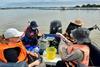
AMR in aquatic ecosystems: A One Health investigation in an irrigation dam in Thailand
Dr Kwanrawee Joy Sirikanchana outlines how her team has launched a major project to address an overlooked question: How much does aquaculture contribute to AMR in shared water systems, and what does this mean for people, animals, and wildlife living around them?
-
 News
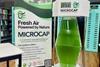
NewsScientist invents MICROCAP, an algae-based oxygen generator that removes CO₂ and purifies indoor air
A lecturer in Thailand has invented the MICROCAP air purifier, which uses photosynthetic algae to absorb carbon dioxide and produce 20 times more oxygen than trees.
-
 News
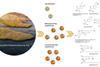
NewsA new fungal discovery: Hypoxylon luteogranulatum from Thailand
A recent study identified Hypoxylon luteogranulatum, a newly and intriguing described fungal species within the family Hypoxylaceae.
-
 News
NewsNatural saclipins in cyanobacteria offer hope of combating skin aging
A new study reveals that saclipins, derived from edible cyanobacterium, enhance collagen and support skin whitening and anti-aging.
-
 News
NewsFecal DNA testing could reduce global colonoscopy burden: experts
Experts gathered at the ICG 19 · Metagenomics for Health (ICG19·MH) & The 2nd MOHA Consortium have highlighted the global challenge of limited access to colonoscopy, the gold standard for CRC screening.
-
 News
NewsMicroplastics found in all three parts of coral anatomy
Researchers have found that all three parts of the coral anatomy—surface mucus, tissue, and skeleton—contain microplastics. They used a new microplastic detection technique which they applied to coral for the first time.
-
 News
NewsResearchers discover key functions of therapeutically promising jumbo viruses
Identifying core replication processes has moved scientists closer to tapping phage as a treatment in the growing antibiotic resistance crisis.
-
 News
NewsNew immersive nanovaccine tackles Flavobacterium diseases in fish without injection
Researchers from the Faculty of Veterinary Science at Chulalongkorn University in Thailand have developed a nanovaccine to prevent bacterial gill diseases in freshwater fish species such as Tilapia and freshwater Asian sea bass.