
All Ecology & Evolution articles – Page 12
-
 News
NewsScientists develop rapid and scalable platform for in planta directed evolution
Researchers have developed a new system that enables rapid and scalable directed evolution of diverse genes directly in plant cells. To address the challenge of slow cell division rate in plants, the researchers harnessed geminiviruses.
-
 News
NewsSome plants can make their own fertilizer - scientists say they learned it more than once
In a new study, scientists show that chemical receptors that plants use to recognize nitrogen-fixing bacteria have developed the same function independently on at least three separate occasions through a process called convergent evolution.
-
 News
NewsFungi set the stage for life on land hundreds of millions of years earlier than thought
New research indicates the diversification of fungi hundreds of millions of years before the emergence of land plants. It suggests a common ancestor of living fungi dating to roughly 1.4–0.9 billion years ago.
-
 News
NewsCell death in microalgae resembles that in humans
For the first time, researchers have observed the same type of programmed cell death in microalgae as in humans. The discovery shows that this central biological process is older than previously thought.
-
 News
NewsScientists reveal functional RNA splitting mechanism behind origin of Type V CRISPR systems
Researchers have uncovered the molecular innovation that led to the origin of Type V CRISPR-Cas immune systems. Their findings show that the functional splitting of transposon-derived RNAs was the critical innovation driving the emergence of Type V CRISPR-Cas immunity.
-
 News
NewsGenetic culprits IDed in capture of 100 years of antibiotic resistance evolution
The genetic culprits responsible for the spread of multidrug resistance (MDR) in bacteria have been identified by new research mapping 100 years of bacterial evolution.
-
 News
NewsHot springs in Japan give insight into ancient microbial life on Earth
Iron-oxidising bacteria in the iron-rich hot springs suggest early microbes used iron and trace oxygen, not sunlight, as their primary energy source during the planet’s shift from a low-oxygen to a high-oxygen atmosphere about 2.3 billion years ago.
-
 News
NewsKey to the riddle of sleep may be linked to bacteria
New research suggests a new paradigm in understanding sleep, demonstrating that a substance in the mesh-like walls of bacteria, known as peptidoglycan, is naturally present in the brains of mice and closely aligned with the sleep cycle.
-
 News
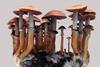
NewsMagic mushrooms invent active compound twice
A study shows that fungi have developed the ability to produce psilocybin at least twice independently of each other. While Psilocybe species use a known enzyme toolkit for this purpose, fiber cap mushrooms employ a different biochemical arsenal – and yet arrive at the same molecule.
-
 News
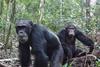
NewsIn the wild, chimpanzees likely ingest the equivalent of several alcoholic drinks every day
The first-ever measurements of the ethanol content of fruits available to chimpanzees in their native African habitat show that the animals could easily consume the equivalent of more than two standard alcoholic drinks each day.
-
 News
NewsCheese fungi color changes help unlock secrets of evolution
Color changes in fungi on cheese rinds point to specific molecular mechanisms of genetic adaptation—and sometimes a tastier cheese.
-
 News
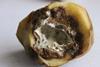
NewsSwitch on, switch off: the dynamic defense of a deadly plant disease
Even strains of Phytophthora infestans considered sensitive to mefenoxam can rapidly develop resistance after a single exposure to a low dose. Researchers have uncovered the dynamics of this defense mechanism, revealing a foe that is more adaptable than previously thought.
-
 News
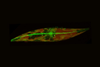
NewsExtreme diatoms inside the Arctic ice glide into the record books
Diatoms found in polar ice are active until temperatures drop to -15 C - the lowest ever recorded for movement by a eukaryotic cell.
-
 News
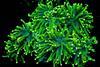
NewsFighting extinction, coral reefs show signs of adapting to warming seas
By studying how six months of elevated ocean temperatures would affect a species of coral from the northern Red Sea, scientists found that although these organisms can certainly survive in conditions that mimic future warming trends, they don’t thrive.
-
 News
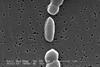
NewsLess is more: Gene loss drives adaptive evolution of a pandemic bacterium
A study reveals a surprising evolutionary insight: sometimes, losing genes rather than gaining them can help bacterial pathogens survive and thrive. The research focused on Vibrio parahaemolyticus, a bacterium behind many of the seafood-related infections worldwide.
-
 News
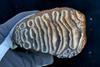
NewsAncient mammoth remains yield the world’s oldest host-associated bacterial DNA
An international team has uncovered microbial DNA preserved in woolly and steppe mammoth remains dating back more than one million years. The analyses reveal some of the world’s oldest microbial DNA ever recovered, as well as the identification of bacteria that possibly caused disease in mammoths.
-
 News
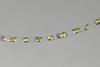
NewsTiny ocean partnership between algae and bacteria reveals secrets of evolution
The microscopic alliance between algae and bacteria offers rare, step-by-step snapshots of how bacteria lose genes and adapt to increasing host dependence, a new study shows.
-
 News
NewsBacteria survive dust storms and introduce new genetic traits into our air
Bacterial communities carried from Africa to Israel survive their airborne journey, arriving with genes that may affect human health and the environment, a new study reveals.
-
 News
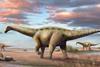
NewsDeadly infectious bone disease wiped out long-necked dinosaurs in Brazil
Researchers found sauropod bones with signs of osteomyelitis, an infectious disease that can be caused by viruses, bacteria, fungi, or protozoa and that killed the animals quickly. The discovery suggests that favorable conditions for the disease existed.
-
 News
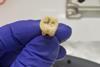
NewsNew research rewrites origins of world’s first recorded pandemic - the Plague of Justinian
For the first time, researchers have uncovered direct genomic evidence of the bacterium behind the Plague of Justinian — the world’s first recorded pandemic — in the Eastern Mediterranean, where the outbreak was first described nearly 1,500 years ago.