
All Editorial articles – Page 157
-
 News
NewsA microbial DNA signature differentiates two types of cancer in the liver
Researchers have identified a microbial DNA signature in blood plasma that reliably differentiates primary liver cancer from colorectal cancer that has spread to the liver (metastatic colorectal cancer).
-
 News
NewsStudy finds tiny microbes shape brain development
New research finds that microbes play an important role in shaping early brain development, specifically in a key brain region that controls stress, social behavior, and vital body functions.
-
 News
News‘Essentiality’ scan reveals microbe’s ‘must-have’ list
Researchers have spent years taking apart one of the world’s simplest microbes, Mycoplasma pneumoniae, piece by piece, and created a detailed list of what molecular parts the living cell can and cannot do without.
-
 News
NewsFermentation method transforms unripe fruits into specialty coffees
Normally discarded, green beans from the Arara cultivar were subjected to airless fermentation and produced high-quality beverages in blind tests. Researchers see potential for the product to be valued in domestic and foreign markets.
-
 News
NewsOne universal antiviral to rule them all?
Taking inspiration from a rare mutation that makes people impervious to viral diseases, a researcher is developing a therapy that could bestow this superpower on the rest of us. The mutation causes a deficiency in an immune regulator called ISG15.
-
 News
News CRISPR-based therapeutics hold potential to combat AMR and cure chronic viral infections, says GlobalData
CRISPR-based therapeutics show potential to combat antimicrobial resistance (AMR) and deliver functional cures for chronic viral infections, says GlobalData, a leading data and analytics company.
-
 News
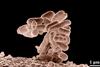
News‘Controlled evolution’ dramatically boosts pDNA production for biomedical manufacturing
Researchers have controlled the evolution of E. coli bacteria in the lab in order to dramatically increase the amount of plasmid DNA (pDNA) these modified bacteria produce. pDNA is an essential – and expensive – ingredient in many gene therapies.
-
 News
NewsFlu fighters: researchers take a closer look at immune response to influenza
Researchers sought to identify which immune cells in pigs have receptors that are most reactive to influenza. They accomplished this by customizing a technology called single-cell RNA sequencing for pigs to learn more about how a body’s cells operate at a highly detailed level.
-
 News
NewsBroad COVID-19 vaccination makes economic sense, especially for older adults, study finds
Vaccinating every person over 65 would actually save the U.S. money, while vaccinating all younger adults would be a reasonable investment, according to a new study.
-
 News
NewsTwo-dose therapy for S. aureus bloodstream infections on par with standard treatment
A clinical trial has found that the outcome of treating complicated Staphylococcus aureus bloodstream infections with two intravenous (IV) doses of the antibiotic dalbavancin seven days apart is just as good as daily IV doses of conventional antibiotics over four to six weeks.
-
 News
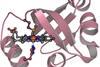
NewsBacterial protein therapy shows promise as first-ever antidote for carbon monoxide poisoning
Researchers have engineered a new molecule that appears promising as an effective antidote for carbon monoxide poisoning with fewer side effects than other molecules currently being tested.
-
 News
NewsScientists find a microbial molecule that restores liver and gut health
Researchers have discovered that a natural molecule made by gut bacteria can reverse liver damage and repair the gut lining after aflatoxin exposure. The treatment may offer a new, non-toxic way to prevent and treat non-alcoholic fatty liver disease (NAFLD).
-
 News
NewsLaser therapy enhances treatment of fungus resistant to conventional medication
Researchers have managed to reduce Candida albicans’ resistance to fungicides by incorporating photodynamic inactivation techniques into the treatment. The technology can be used in both human healthcare and the prevention of food contamination.
-
 News
NewsStudy looks for markers that predict risk of severe chlamydia infection
A new study has identified markers that may predict whether a chlamydia infection is likely to ascend into the uterus and endometrium. The work could lead to new diagnostics that can predict a woman’s risk of severe infection.
-
 News
NewsLignin is effective against viruses and bacteria
Lignin, a polyphenol, has antimicrobial activity against viruses and bacteria. An by-product from wood industry, lignin has potential as promising green alternative to synthetic antimicrobial agents for coating agents, packaging material, or surface disinfectants.
-
 News
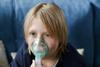
NewsAs school returns, so do infections & asthma emergencies. Where kids live can make it worse
A new study highlights how neighborhood conditions shape the seasonal surge of virus-triggered asthma emergencies. It found that children in under-resourced communities face sharply higher rates of asthma flare-ups tied to viral infections during the first weeks of school.
-
 News
NewsPortable spectroscopy enables detection of vaginal microbes
Surface-enhanced Raman spectroscopy can rapidly and noninvasively detect specific bacterial species in vaginal fluid, enabling early identification of microbiome imbalances.
-
 News
NewsBee and frog proteins: nature’s double defense against farm superbugs
A new study reveals that combining natural antimicrobial peptides can significantly slow the development of antimicrobial resistance in bacteria. Using two peptides together prevents harmful bacteria from mutating as quickly, offering a promising alternative to traditional antibiotics.
-
 News
NewsFast, accurate, low-cost diagnostics - and no lab required
Researchers have developed a breakthrough diagnostic tool that could transform how quickly and reliably we detect illnesses like COVID-19, Ebola, AIDS or Lyme disease. The test uses just a single drop of blood, costs a couple of dollars and delivers results in only 15 minutes.
-
 News
NewsSeventy-year-old Parkinson’s drug shows promise against tuberculosis
A medication developed in the 1950s to treat Parkinson’s disease may offer a powerful new tool in the fight against tuberculosis. The study found that benztropine can dramatically reduce levels of TB-causing bacteria by boosting the body’s natural immune response.