
All Editorial articles – Page 155
-
 News
NewsGI tumor microbes may predict prognosis and inform treatment
Intratumor microbes can play a role in disease progression and response to treatment. Researchers have identified core tumor microbiota associated with disease progression and risk, developing a microbiota-based risk score that can predict response to therapy.
-
 News
NewsWelsh mine microbes mapped to help heat homes
Welsh scientists have mapped the hidden microbes thriving in south Wales’s abandoned coal mines, helping to overcome obstacles to using mine water to heat Britain’s homes.
-
 News
NewsDeadly infectious bone disease wiped out long-necked dinosaurs in Brazil
Researchers found sauropod bones with signs of osteomyelitis, an infectious disease that can be caused by viruses, bacteria, fungi, or protozoa and that killed the animals quickly. The discovery suggests that favorable conditions for the disease existed.
-
 News
NewsNew research rewrites origins of world’s first recorded pandemic - the Plague of Justinian
For the first time, researchers have uncovered direct genomic evidence of the bacterium behind the Plague of Justinian — the world’s first recorded pandemic — in the Eastern Mediterranean, where the outbreak was first described nearly 1,500 years ago.
-
 News
NewsNext-generation ‘molecular scissors’ may offer hope for chronic hepatitis B sufferers
Researchers have developed engineered precision ’molecular scissors’ that can permanently disable the genetic blueprint of the hepatitis B virus (HBV). The approach directly targets covalently closed circular DNA (cccDNA), the stubborn viral reservoir.
-
 News
NewsMyocardial infarction may be an infectious disease
A pioneering study has demonstrated for the first time that myocardial infarction may be an infectious disease. This discovery challenges the conventional understanding of the pathogenesis of myocardial infarction and opens new avenues for treatment.
-
 News
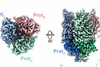
NewsAncient viruses in human genomes offer new avenue for stopping cancers, autoimmune diseases, and more
Researchers have revealed the first three-dimensional structure of a protein from an ancient human endogenous retrovirus (HERV) found within the human genome.
-
 News
NewsResearchers uncover sensory abilities of bacteria in the gut
An international team has shown that commensal bacteria can perceive and respond to diverse chemical stimuli in their environment. They focused on Clostridia, motile bacteria that play an important role in gut health.
-
 News
NewsSeroprevalence 36 months after a single-dose bivalent HPV vaccination among nine to fifteen-year-old girls
A single-dose bivalent HPV vaccine induces sustained immunity in Bangladeshi adolescent girls, with lower HPV16 seropositivity among older girls and those in higher grades, with higher HPV18 seropositivity linked to lower household income.
-
 News
NewsNew research makes first broad-spectrum antiviral
A new study offers a promising path toward the development of the world’s first broad-spectrum antiviral (BSA), which could be deployed against a wide range of deadly viruses, including future pandemic threats.
-
 News
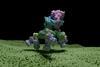
NewsScientists reveal the first structure of the complete botulinum neurotoxin complex
Researchers have succeeded in creating a molecular blueprint of how one of the world’s most dangerous toxins, botulinum toxin, is structured, stabilised, delivered and released. The research paves the way for more effective drugs.
-
 News
NewsGlobal Virus Network announces 2025 Rising Star Mentorship Program Awardees
The Global Virus Network (GVN) has announced the five distinguished recipients of its 2025 Rising Star Mentorship Program. The program is designed to support early-career virologists poised to become the next generation of global leaders in pandemic preparedness and infectious disease research.
-
 News
NewsAlcohol opens the floodgates for bad bacteria
Scientists have found that chronic alcohol use impairs the production of a key cellular signaling protein that helps keep gut bacteria within the gut. Without this guardrail in place, bacteria from the gut can more easily migrate to the liver, exacerbating liver damage caused by alcohol.
-
 News
NewsStudy exposes sewage contamination locations threatening West Hawai’i coral reefs
New research reveals the extent to which sewage pollution threatens the fragile coral reef ecosystems of West Hawaiʻi Island. Researchers pinpointed locations where high levels of fecal bacteria associated with populated coastal areas are driving worsening contamination.
-
 News
NewsKiss goodbye to deadly disease – new research finds ‘Pac-Man’ antibodies for killer parasite
Researchers have successfully produced antibodies that kill the parasite carried by the ‘kissing bug’ that causes the potentially deadly Chagas disease. The research is a vital step towards the development of the first effective vaccine.
-
 News
NewsResearchers create faster way to trace how diseases spread indoors
Researchers have developed a new method of monitoring and tracking how disease-causing particles, or pathogens, spread from one place to another. The tool could help contain future outbreaks of diseases like COVID-19.
-
 News
NewsGlobal analysis reveals overlooked hotspots at risk for long COVID due to early disability burdens
An international team of researchers has conducted the most comprehensive global-to-local analysis to date on long COVID risk, using disability data from the height of the pandemic to identify vulnerable populations.
-
 News
NewsScientists identify three potent human antibodies against mpox, paving the way for new protective therapies
Researchers have discovered three powerful monoclonal antibodies from a person who had previously been infected with mpox (formerly known as monkeypox).
-
 Opinion
Safety and nutritional claims for raw milk
Robert F Kennedy Jr. famously advocates drinking raw milk and promotes its benefits. But how safe is unpasteurised milk? Nicola Holden and Gil Domingue, who sit on Applied Microbiology International’s Food Security Scientific Advisory Group, take a deep dive into the science.
-
 News
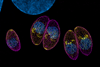
NewsScientists discover how cells use a secret weapon to fight off some pathogens
New research shows that mitochondria detect invading pathogen Toxoplasma gondii and ramp up competition for vitamin B9, depriving it of the nourishment it needs to grow. A researcher noticed that the amount of mitochondrial DNA in a mitochondrion increased during infection.