
All Editorial articles – Page 176
-
 News
NewsScientists uncover shortcut to miniaturized hydrogen production
Researchers have figured out a way to simplify the highly complex hydrogenase biocatalyst to facilitate its integration into industrial processes, offering a route to clean energy.
-
 News
NewsFirst systematic review finds gut-brain axis impacts treatment outcomes in bipolar patients
A new review suggests that there is a significant connection between the gut and brain in patients treated for bipolar disorder and that this affects the ways in which a patient responds to treatment.
-
 News
NewsUnderstanding inflammatory bowel disease: An integrative framework of microbiome, metabolome, and immunological biomarkers
A new review underscores the interconnected roles of microbial, metabolic, and immune biomarkers in IBD. While current biomarkers lack universal specificity, integrative approaches and AI-driven analyses offer transformative potential for precision medicine in IBD care.
-
 News
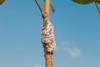
NewsCoveted lac pigment may have a fungal origin
The colourful pigment extracted from the lac insect may actually be produced by a symbiotic yeast-like organism living inside the insect, a new study has found. The yeast-like organism exclusively harbours genes coding for key ingredients in the pigment synthesis pathway.
-
 News
NewsResearchers deploy yeast platform to turn urine into high-value bio-implant material
Researchers have engineered a yeast platform that converts human urine from wastewater into hydroxyapatite, a high-value, biocompatible substance for use in dental and bone implants, restoration of archaeological artifacts and other applications.
-
 News
NewsNew research reveals how octopus uses arms to sense chemical clues from microbes
A new study reveals what the octopus is feeling when it ‘tastes’ the seafloor— biochemical information from the microbial world. The animal uses its arms to determine whether prey is safe to eat or whether unhealthy eggs should be ejected from the nest.
-
 News
NewsLiving near harmful algal blooms reduces life expectancy with ALS
Living close to cyanobacterial harmful algal blooms — which are present US-wide but are more common in coastal and Great Lake states — heightens the rate of dying from amyotrophic lateral sclerosis, or ALS, a study suggests.
-
 News
NewsNew vaccine works against multiple fungal infections
A vaccine developed by University of Georgia researchers successfully protects against and treats vaginal yeast infections in mice, according to a study.
-
 News
NewsResearchers establish link between form and function of gut bacterium
New insights into the functional differences between the various morphotypes of Bacteroides thetaiotaomicron could open up new possibilities for medicine. A better understanding of their diversity could lay the foundation for novel microbiome-based therapies.
-
 News
NewsMushrooms could be the key to developing better materials
Researchers are studying the cell structure of fungi to learn how it determines their mechanical properties and what science can learn from that to create better materials. They analyzed their cell structures and tested them to calculate the stress loads they could handle.
-
 News
NewsVirus transmission between bee species does not lead to new variants
A new study has found transmission of viruses between different bee species did not lead to the formation of new virus variants, a rare bit of good news for bee pollinators, which have been in decline for over 25 years.
-
 News
NewsScientists discover key protein that enables ‘shock & kill’ strategy for HIV latent virus clearance
Researchers have identified a specific gene transcription factor, BRD9, as a potential key to unlocking the mechanisms behind HIV-1 latency.
-
 News
NewsScientists discover a materials maze that prevents bacterial infections
Scientists have discovered surface patterns that can drastically reduce bacteria’s ability to multiply on plastics, which means that infections on medical devices, such as catheters, could be prevented.
-
 News
NewsPrescribing fewer antibiotics might not be enough to combat threat of superbugs, says new research
Antimicrobial resistance is still spreading in the environment despite a reduction in the amounts of antibiotic drugs prescribed, according to a new study. Multiple approaches will be required to tackle the increasing threat of antimicrobial resistance to public health.
-
 News
NewsScientists strive to place tens of thousands of previously unknown fungi in the evolution tree
Scientists have received a grant to systematise and describe members of the 95% majority of previously unclassified microscopic fungi, and other eukaryotic organisms not yet included in the current tree of life system.
-
 News
NewsImmune ‘dysregulation’ present prior to infection predicts severe responses
A study shows that a common gene signature of immune health or dysfunction predicts severe outcomes from infection, and is present in people with known risk factors such as being a smoker or having a high body mass index, even before they encounter a pathogen.
-
 News
NewsEnzymes from fungi can help extract plant components for biofuels and bioplastics
Plant cell wall components such as cellulose are abundant sources of carbohydrates that are widely used in biofuels and bioproducts. Investigators have found that a combination of fungal enzymes can efficiently degrade plant biomass to allow for extraction.
-
 News
NewsWar, trade and agriculture spread rice disease across Africa
Since the mid-1800s, human activities have rapidly facilitated the spread of rice yellow mottle virus (RYMV), a pathogen that infects rice, far and wide across Africa, according to a new study.
-
 News
NewsResearchers to harness the power of fungi for water filters
A groundbreaking project exploring the power of fungi to combat agricultural pollution is making significant strides, with researchers looking to begin live field trials later this year.
-
 News
NewsNominations for the 2025 Horizon Awards now open
Applied Microbiology International has announced the launch of nominations for the 2025 Horizon Awards, which celebrate the brightest minds in the field and promote the research, group, projects, products and individuals who help shape the future of applied microbiology.