
All Food and Fermentation articles – Page 2
-
 News
NewsCheese bacteria could offer health benefits
Scientists identified the microbial and biochemical profiles of three artisan cheeses made locally in Oxfordshire across their maturation process, and found that the bacteria responsible for a cheese’s character could also benefit the people who eat it.
-
 News
NewsStudents develop milk pathogen test kit and win TED Youth Startup Grant
Inspired by the widely used and user-friendly COVID-19 strip test kits, a team of science students has developed a test kit for detecting pathogens in milk and dairy products. They combined the LAMP technique with strip test technology to create a simple screening tool for harmful bacteria.
-
 News
NewsWine’s leftovers could help wean chicken farms off antibiotics
Every year, millions of gallons of wine are pressed, leaving behind a mountain of pulpy residue that wineries struggle to dispose of. Now, researchers say this overlooked byproduct could serve as a replacement for the antibiotics routinely added to chicken feed.
-
 News
NewsNew research finds that almost all plant-based meat alternatives contain mycotoxins
New research into plant-based food and drinks has found a prevalence of mycotoxins – naturally occurring poisonous compounds produced by fungi - in hundreds of vegetarian and vegan products.
-
 News
NewsModerate UV light is best to boost the vitamin D content of edible mushrooms, study finds
Researchers have discovered that moderate ultraviolet (UV) light exposure is best when the technique is used to enhance vitamin D₂ in edible mushrooms. Excessive exposure leads to nutrient degradation or a plateau effect, they found.
-
 Careers
From microbial processes to biofilm control: our interview with LAM deputy editor Marciane Magnani
We catch up with food microbiologist Professor Marciane Magnani of the Federal University of Paraíba in Brazil who has just been appointed as a Deputy Editor of Letters in Applied Microbiology.
-
 News
NewsMicrobes contribute a surprisingly large array of proteins in fermented foods
A study examining the proteins found in fermented foods like yogurt, cheese and bread found that a surprisingly large number, and percentage, of microbial proteins contribute to their overall protein content.
-
 News
NewsNew research reveals mechanisms behind coffee’s positive effects on the gut-brain axis
First of its kind research shows the potential role of coffee as a further intervention to promote positive gut health and its effects on the gut-brain axis. Coffee was found to positively affect perceived mood and stress levels in individuals taking part in this study.
-
 News
NewsNew lactic acid bacteria for plant-based yogurt alternatives
Researchers find that a particular type of lactic acid bacteria has considerable potential for producing plant-based yoghurt alternatives. The bacteria inhibit potentially harmful bacteria and break down sugars that can cause stomach discomfort.
-
 News
NewsPoor hygiene and food handling practices increase the risk of bacterial outbreaks in Brazilian households
A significant number of Brazilians engage in improper food hygiene and handling practices at home. Examples include washing meat in the kitchen sink and failing to properly wash vegetables.
-
 News
NewsA bacterium from bumblebees can produce vitamin B2 in soya drinks
Researchers have developed a new method that can reduce the time needed to find new bacteria for fermentation. They have now identified a bacterium that can be used both for acidification and to increase the vitamin B2 content of soya drinks.
-
 News
NewsNew biodegradable wash removes pesticides and extends produce shelf life
Researchers have developed a natural, biodegradable wash that removed up to 96 per cent of pesticide residue from fruit and slowed browning and moisture loss.
-
 News
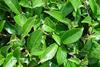
NewsBiochar offers climate-smart pathway to healthier soils and safer tea production
A new scientific review highlights how biochar, a carbon-rich material produced from biomass, could transform tea farming by restoring soil health, reducing pollution risks, and improving both yield and quality. Source: AxelBoldt Closeup of leaves of tea plant Camellia sinensis Tea, derived from Camellia sinensis, is one ...
-
 News
NewsHow fermentation reshapes golden flower white tea aroma
Golden flower white tea is a relatively new tea product made by applying the traditional Fu brick tea flowering process to white tea. That process includes steaming, pressing, microbial fermentation, and drying, and it is known to trigger complex biochemical changes associated with the growth of Eurotium cristatum.
-
 News
NewsFiber in whole wheat foods protects against gut inflammation in mice, study finds
Enriching the diet with wheat fiber protects mice against intestinal inflammation, according to a study. The finding helps explain why incidence of inflammatory bowel disease (IBD) has increased, and suggests eating whole wheat foods may reduce one’s risk of developing it.
-
 News
NewsNew antibiotic alternative fights foodborne salmonella
Researchers have discovered a safe and highly effective natural virus that functions like a precision-guided missile, capable of eliminating harmful Salmonella on various foods and packaging materials, showing great potential as a novel guardian for food safety.
-
 News
NewsBrewing protein from greenhouse gases: A greener, more profitable alternative to farming
Engineers prove that feeding methane to bacteria outperforms traditional soy and fish meal in both ecological savings and financial returns.
-
 News
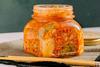
NewsKorean live microbes survey finds less inflammation from consuming fermented foods
A new study that analyzed South Korean health data to determine whether live microbe intake from fermented foods like kimchi is associated with certain health indicators, found a link between increased consumption of live microbe-rich foods and lower systemic inflammation.
-
 News
NewsKimchi-derived probiotic found to promote binding and excretion of intestinal nanoplastics
Scientists have announced that a lactic acid bacterium isolated from kimchi can help promote the removal of nanoplastics from the body by binding to them in the intestine.
-
 News
NewsFood scientists develop new antimicrobial for cleaning and sanitizing dry-food processing equipment
New research describes a novel chemical mixture for sanitation in low-moisture environments. Scientists found that a formulation containing cyclomethicone combined with vinegar-based acetic acid was the most effective against Salmonella and Cronobacter bacteria.
- Previous Page
- Page1
- Page2
- Page3
- Page4
- Next Page