
All Food Safety & Security articles
-
 News
One Health initiative aims to build safer, more sustainable food systems
A new One Health initiative in Thailand is bringing together expertise across food safety, antimicrobial resistance, climate change and public health. The platform aims to turn scientific evidence into coordinated action across agrifood systems, with a strong focus on collaboration between researchers, government, industry and international partners.
-
 News
How eggplants ‘farm’ their own microbiomes: Genetic secrets revealed
Eggplants appear to actively shape the microbial communities around their roots through their own genetics. A large global study has identified more than 1,200 genetic variants linked to key root microbes, revealing how crop evolution and domestication may have helped plants recruit beneficial microbial partners.
-
 News
Study maps antimicrobial resistance across major drinking water sources
Rivers, reservoirs and lakes can act as reservoirs for antibiotic residues and antimicrobial resistance, but the risks are not evenly distributed. A new study of drinking water sources in the Poyang Lake basin found that rivers and certain lake sites carried higher resistance-gene burdens, with mobile genetic elements emerging as a key factor linked to their spread.
-
 News
American Academy of Pediatrics warns of dangers in consuming raw dairy products
Updated guidance warns that raw milk and other unpasteurized dairy products can expose children and pregnant people to serious infections, with H5N1 now emerging as an additional concern. Experts say pasteurisation provides the same nutritional benefits while dramatically reducing the risk from harmful bacteria and viruses.
-
 News
An unexpected lab guest reveals a natural pest repellent
An accidental fruit fly invasion in a research lab has led scientists to identify a naturally occurring yeast that repels a major blueberry pest. The unexpected discovery could eventually support new non-chemical ways to protect soft-fruit crops.
-
 News
Weather and poultry litter shape E. coli survival in onion fields
How long can E.coli survive in the soil beneath an onion crop? A two-year field study suggests the answer depends not only on the type of poultry-based fertiliser used, but also on weather conditions such as humidity, rain, temperature and wind. The findings could help growers and regulators better assess food safety risks as extreme weather becomes more common.
-
 News
Beneficial bacteria support tomato growth & suppress disease
A new study has identified bacterial strains that both treat tomato bacterial canker—some by delaying the onset of infection up to a week—and promote the growth of the plant.
-
 News
Mould toxins in food are not destroyed during cooking or baking
A survey shows that only a small proportion of the population (29 per cent) is concerned about potential health risks posed by mould, whilst the majority (51 per cent) do not give it any thought at all.
-
 News
A single gene change turns susceptible peas into fusarium wilt fighters
New research identifies a single dominant gene, PsFwC9, which confers Fusarium wilt resistance in pea plants.
-
 News
A hidden susceptibility switch may help potatoes fight late blight
New research reveals how the StRWA2 gene may promote late blight susceptibility by reduce the stability of NLR immune receptors in potatoes.
-
 News
Herbal residue reshapes gut microbes and lipid metabolism in broilers
A research team found that dietary Radix isatidis herbal residue, a traditional Chinese medicine by-product, may improve growth, mucosal immunity, gut microbiota, and lipid metabolism in broilers.
-
 News
Researchers zap microbe DNA in the name of food safety
A new study investigates eBeam (electron beam) technology, demonstrating its ability to control food pathogens without jeopardising meat quality.
-
 News
Soil bacteria protect wheat from pathogenic fungus
New research shows that, when inoculated into the soil, bacterial species can alter the soil microbiome and protected plants from a fungus that causes root rot.
-
 News
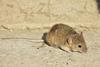
Antibiotic resistance is an environmental problem, not just a medical one
New research shows that wild farm mice carry around 50% of the antibiotic resistance genes found in livestock.
-
 News
Burying crop residues deeper could help protect maize from ear rot and mycotoxins
A new study has found that incorporating maize straw deeper into the soil can substantially reduce maize ear rot and harmful mycotoxin contamination while creating a healthier soil environment.
-
 News
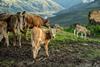
Texas A&M Engineering leads work on rapid screwworm treatment
A multidisciplinary team is developing three novel wound treatments that quickly kill larvae while reducing chemical residues, offering ranchers and veterinarians a rapid response tool that current screwworm eradication methods cannot provide.
-
 News
Native microbial team helps acidic soil recover while boosting crop growth
Researchers have developed a small, carefully selected community of native soil bacteria that can reduce acid stress while helping plants access essential nutrients.
-
 News
Microbes drastically change behavior outside the lab
New research shows that corn root bacteria behave completely differently when grown on a plant rather than in a lab, underscoring the importance of studying microbes in their natural setting, rather than relying solely on laboratory research.
-
 News
Mapping plant-fungus symbiosis, cell by cell.
Scientists have produced the first high-resolution, cell-by-cell map of how tomato roots respond to colonization by arbuscular mycorrhizal fungi, a partnership which help plants absorb nutrients from the soil.
-
 News
Genome-scale model-guided microbial engineering converts agricultural waste into biodegradable bioplastics
Researchers develop a genome-scale model-guided microbial engineering platform that converts kimchi industry waste into biodegradable bioplastics.