
All Fusobacterium nucleatum articles
-
 News
NewsGut microbiome emerges as a potential partner in precision cancer therapy
A new editorial examines how the human microbiome may influence cancer development, treatment response and emerging precision-oncology strategies.
-
 News
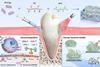
NewsMXene-based hydrogel disrupt bacterial biofilms and reprogram immune cell metabolism to reverse bone resorption in periodontitis
Researchers have developed an injectable MXene-based composite hydrogel (GQM) for the treatment of periodontitis. The hydrogel consists of oxidized gellan gum (OG), quaternized chitosan (QCS), and magnesium-tannic acid modified MXene nanosheets (MTA-Mg).
-
 News
NewsMXene-based hydrogel disrupts bacterial biofilms and reprograms immune cell metabolism to reverse bone resorption in periodontitis
Periodontitis treatment not only requires effectively disrupting bacterial biofilms but also reshaping the local immune metabolic microenvironment to fundamentally break the vicious cycle of “infection-inflammation-bone resorption.”
-
 News
NewsIntratumoral Fusobacterium as a prognostic and predictive biomarker in resectable colorectal cancer
Research supports the use of Fusobacterium as a prognostic and predictive biomarker in patients with resectable stage I–III CRC. Its presence was associated with more aggressive disease, a weaker immune response, and limited benefit from adjuvant chemotherapy.
-
 News
NewsReview unmasks hidden role of gut microbes in colorectal cancer
A new review systematically dissects how the gut microbiota and host cells talk to each other across four molecular layers – genome, transcriptome, epigenome, and metabolome – and highlights the computational innovations that make such multi‑omics integration possible.
-
 News
NewsBacteria may hold a cancer treatment clue
A review argues that tumors with reproducibly poor prognosis outcomes may share an overlooked feature: bacterial infection within the tumor microenvironment. These bacteria may weaken treatment by altering local immunity, damaging tissue structure, and even inactivating chemotherapeutic drugs.
-
 News
NewsResearchers fight oral cancer with bioengineered chewing gum
Research shows that antiviral and antibacterial chewing gums reduce the levels of three microbes linked to worse outcomes in oral cancers, paving the way for more effective and affordable therapies.
-
 News
NewsHow bacteria may promote breast cancer
Researchers have discovered how certain pathogenic bacteria in gut and breast tissue can promote breast cancer development and progression by hijacking a key metabolic enzyme known as spermine oxidase (SMOX).
-
 News
NewsOral bacterium may promote breast cancer development and spread
Researchers found that Fusobacterium nucleatum, an oral bacterium commonly associated with periodontal disease, can promote breast cancer initiation, tumor growth and spread by inducing DNA damage and altering cancer cell behavior.
-
 News
NewsNew research decodes the bacterial “zip code” of colorectal cancer for prediction and survival
A recent study shows that bacteria living inside colorectal tumors form distinct ecosystems that are closely linked to how the disease progression and patient outcomes.
-
 News
NewsOral bacterium tied to disability severity in multiple sclerosis
A research team has conducted a study with findings that suggest a potential association between the relative abundance of Fusobacterium nucleatum (F. nucleatum), a bacterium found in the mouth, and disease severity in multiple sclerosis (MS) patients.
-
 News
NewsCloves and miswak: Antimicrobial effects of Syzygium aromaticum and Salvadora persica against common pathogens in vitro
Clove essential oil (CEO) derived from Syzygium aromaticum and miswak (Salvadora persica) contains bioactive compounds with antimicrobial properties. This study aimed to evaluate the in vitro antimicrobial efficacy of CEO, miswak, and their combination against key peri-implantitis pathogens.
-
 News
NewsGut microbiome connects obesity to cancer, impacting public health
A new review highlights growing scientific evidence that imbalances in gut bacteria can influence metabolism, trigger inflammation, and increase cancer risk. These insights offer new possibilities for disease prevention, early detection, and personalized health care.
-
 News
NewsStudy links multiple sclerosis with distinct oral microbiome
Researchers have produced the most comprehensive genetic and metabolic analysis to date of the oral microbiome associated with multiple sclerosis (MS). They found that people with MS have a distinct oral microbiome compared to healthy individuals.
-
 News
NewsStudy reveals how bacteria in tumors drive treatment resistance in cancer
Researchers have uncovered a previously unknown way for microbes within tumors to contribute to treatment resistance in certain cancers. The study finds these microbes push cancer cells into a reversible resting state, allowing them to become resistant to certain chemotherapies.
-
 News
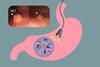
NewsChanges in gut microbiota influence which patients get AIG-related neuroendocrine tumors
Researchers have discovered how the balance of bacteria in the stomach affects the growth of neuroendocrine tumors (NETs). By identifying the specific bacteria involved and the biochemical reactions that cause tumor growth, they hope to detect which patients are most likely to develop cancer.
-
 News
NewsIn extensive sequencing study, scientists find few links between cancer and microbiome
Scientists say a study that sequenced human cancers found far less microbial DNA sequences than earlier studies reported in the same cancer tissue samples.
-
 News
NewsFusobacterium nucleatum in colorectal cancer: Ally mechanism and targeted therapy strategies
A recent review systematically outlines the pathogenic mechanisms of Fusobacterium nucleatum in colorectal cancer and summarizes both current and emerging strategies for its therapeutic targeting.
-
 News
NewsNovel compound inhibits the growth of tumor-associated Fusobacteria
Researchers seeking ways to eliminate fusobacteria in carcinomas have made an unexpected discovery: their control compound, FUS79, which did not target a specific transcript, exhibited strong activity against five fusobacterial strains without affecting other tested bacterial species.
-
 News
NewsResearchers reveal how human genetics and intratumoral microbiota affect colorectal cancer
A study shows that the single-nucleotide polymorphism (SNP) rs2355016—a tiny DNA change that some people carry—affects how intratumoral microbiota adhere to tumor cells, promoting colorectal cancer progression.