
All Germany articles – Page 2
-
 News
NewsApplied Microbiology International launches new report on improving soil health in the UK
Scientists have warned that the world’s tiniest organisms need to be taken into account in efforts to improve soil health. AMI has launched a new policy report setting out key recommendations to support the long-term protection, restoration and sustainable management of soils across the UK’s four nations.
-
 News
NewsHow bacteria can reclaim lost energy, nutrients, and clean water from wastewater
A new review explores how technologies using electricity-generating bacteria—like those already piloted at the UK’s Glastonbury Festival and in field trials in Uganda, Kenya, and South Africa—could help us reclaim resources currently being flushed away.
-
 News
NewsA yeast enzyme helps human cells overcome mitochondrial defects
An international team has experimentally uncoupled nucleotide synthesis from mitochondrial activity using ScURA, a yeast-derived genetic tool now available to the research community that will enable new explorations of cellular metabolism.
-
 News
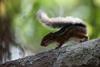
NewsFire-footed rope squirrels identified as a natural reservoir for monkeypox virus
A cross-species transmission event documented in Côte d’Ivoire provides new insights into the spread of mpox in the wild.
-
 News
NewsResearchers solve mystery behind rare clotting after adenoviral vaccines or natural adenovirus infection
Scientists have uncovered why a small number of people developed dangerous blood clots after either receiving certain COVID‑19 vaccines or experiencing a natural adenovirus infection - the answer lies in an unexpected case of misdirected targeting by the immune system.
-
 News
NewsEMBL pays tribute to Peer Bork (1963—2026)
The European Molecular Biology Laboratory has paid tribute to its Interim Director General, Professor Peer Bork who passed away in January. The institution reflects on the extraordinary impact Peer had on the world of science.
-
 News
NewsTechnology transfer for Corallopyronin A successfully completed with Phyton Biotech
Phyton Biotech has successfully transferred the manufacturing process for the microbial production of Corallopyronin A (CorA). CorA is a novel anti-infective agent with the potential to address neglected tropical diseases.
-
 News
NewsForest soils increasingly extract methane from atmosphere
Researchers evaluated the world’s most comprehensive data set on methane uptake by forest soils. They discovered that under certain climate conditions, which may become more common in the future, their capacity to absorb methane actually increases.
-
 News
NewsResearchers uncover the invisible worlds beneath our feet
An analysis of a natural aquifer revealed that despite their close spatial contact and possible interactions, the microorganisms in the water and on the rock form two strongly contrasting ecological communities.
-
 News
NewsSediment core yields evidence of an unexpected climate feedback in Antarctica
Researchers have concluded that global warming may lead to reduced uptake of carbon dioxide than at present in the Pacific sector of the Southern Ocean if the West Antarctic Ice Sheet, which is considered unstable, continues to shrink.
-
 News
NewsCultivated peanut AhPR10 gene family mediates resistance to Aspergillus flavus
Researchers identified and analyzed PR10 genes in cultivated peanut (Arachis hypogaea L.), and found three genes that demonstrated potential importance in peanut resistance to Aspergillus flavus.
-
 News
NewsCOVID-19 viral fragments shown to target and kill specific immune cells
New research shows that after the body’s defenses kill the virus behind COVID-19, leftover digested chunks of SARS-CoV-2 spike protein can target specific immune cells based on their shape. It could explain why certain populations of cells that detect and fight infection are depleted in patients with severe COVID-19.
-
 News
NewsAntibiotic therapy: is shorter just as effective?
Shorter-duration antibiotic therapy shows comparable success to longer-duration treatment in children with community-acquired pneumonia. However, a general conclusion about a shortened treatment duration is not possible, Tthe authors of a new study say.
-
 News
NewsSecret of youth: New study shows gut microbiota directly regulates intestinal stem cell aging
A new study reveals that age-related changes in the gut microbiota directly impair intestinal stem cell (ISC) function and that restoring a youthful microbial environment can reverse this decline.
-
 News
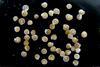
NewsScientists solve 66 million-year-old mystery of how Earth’s greenhouse age ended
Experts studying foraminifera fossils have discovered that concentrations of calcium in the sea dropped by more than half across the last 66 million years, which likely caused Earth’s massive drop in temperature.
-
 News
NewsInfant gut bacteria may be the key to preventing asthma and allergies
A study shows that children are less likely to develop allergies and asthma if, as infants, they are colonized with certain bifidobacteria that produce a substance in the gut - a so-called metabolite - that dampens immune responses to allergens.
-
 News
NewsFrom palm oil to designer enzymes: researchers reprogram yeast cells
Many everyday products contain fatty acids from palm oil or coconut oil, but the extraction of these raw materials is associated with massive environmental issues. Researchers have now developed a biotechnological approach that could enable a more environmentally friendly production method.
-
 News
NewsCRISPR discovery could lead to single diagnostic test for COVID, flu, RSV
Researchers report newly discovered details about the Cas12a3 immune system that precisely targets transfer RNA in invading pathogens, without destroying host cells.
-
 News
NewsResearchers eye goal of turning garden and crop waste into plastics
A research team will combine eco-friendly and application-oriented approaches to develop a cost-effective, energy-efficient technology for making innovative plastics based on polybutylene succinate (PBS) which are made entirely out of organic waste.
-
 Careers
Scientific Event Travel Grant: how the Safepork conference surpassed my expectations
Shan Goh from the University of Hertfordshire reports back on the International Symposium on the Epidemiology and Control of Biological, Chemical and Physical Hazards in Pigs and Pork held in Rennes, France, in October. Shan was supported with a Scientific Event Travel Grant awarded by AMI.