
All horizontal gene transfer articles
-
 News
NewsBiologists uncover a molecular mechanism that helps bacteria spread antibiotic resistance genes
A new study reveals the molecular mechanism behind one of the most powerful mechanical actions in all of biology, the reeling in of tiny surface fibers called type IV pili.
-
 News
NewsNew biobank decodes survival secrets of extreme acid mine drainage microbes
Over 97 percent of microorganisms in acid mine drainage have never been cultured, leaving their metabolism and adaptation strategies locked as “microbial dark matter.” Now, a new culturomics‑driven resource called the Microbial Biobank of AMD (mbAMD) changes that.
-
 News
NewsGene swapping helped build the planet’s decomposers
Researchers have reconstructed the deep history of osmotrophic specialization in eukaryotes. Their findings suggest that four groups of eukaryotes which have specialized in osmotrophy first arose between 720 million and 1 billion years ago and that they share a toolkit of genes involved in osmotrophic functions.
-
 Opinion
Fertile ground: The rise of soil viral ecology
Soil viral ecology has been one of the most neglected areas of microbiology, but technological advances are opening up fertile new frontiers, says AMI Healthy Land Advisory Group member and CNRS researcher Christina Hazard.
-
 News
NewsGenetic ‘bonus material’ makes the gut bacterium Segatella copri oxygen-tolerant
Researchers have found that some strains of the gut bacterium Segatella copri possess bonus material that makes them more oxygen tolerant. The presence of the molecular regulator OxyR is crucial for this. The team discovered that strains carrying OxyR are particularly prevalent in industrialized regions of the world.
-
 News
NewsGene-sharing myth challenged as bacteria shown to police DNA exchange
A new study reveals that bacteria can actively limit the spread of antibiotic resistance genes, using a newly characterized mechanism that blocks DNA transfer between cells. It focuses on how bacteria exchange genetic material through tiny intercellular bridges known as nanotubes.
-
 News
NewsCinnamic acid blocks plasmid conjugation to slow antibiotic resistance spread
A new study reveals that cinnamic acid, a widely used food additive found in cinnamon, can effectively inhibit plasmid‑mediated conjugation, a major route for the global spread of antibiotic resistance genes (ARGs).
-
 News
NewsAncient viruses serving as gene delivery couriers to help bacteria resist antibiotics
Research has shed important new light on the enemies-turned-allies that allow bacteria to exchange genes, including those linked to antimicrobial resistance (AMR).
-
 News
NewsSub-lethal water disinfection may accelerate the spread of antibiotic resistance
A new study reveals that environmental stressors do not merely kill bacteria; they can also prime surviving cells to take up resistance genes more efficiently, raising concerns about how antibiotic-resistant bacteria may spread in aquatic environments.
-
 News
NewsGut bacteria have evolved rapidly to digest starches in ultra-processed foods
Researchers have found that gene variants that help microbes digest starches found in ultra-processed foods have “swept” the genomes of some species of gut bacteria in industrialized parts of the world.
-
 News
NewsEnvironmental traces of antibiotics found to boost gene transfer among bacteria
Using models of vertical inheritance and horizontal transfer, researchers have found that low doses of tetracycline, ampicillin, kanamycin, and streptomycin stabilize resistance and promote gene transfer across species.
-
 News
NewsNew review reveals how microbial communities accelerate the global spread of antibiotic resistance
A new scientific review has uncovered how complex microbial communities, including those in the human gut and the natural environment, act as powerful engines that drive the evolution and spread of antimicrobial resistance.
-
 News
NewsDr José Luis Balcazar named as winner of John Snow Public Health Innovation Prize
Dr José Luis Balcazar, Senior researcher at the Catalan Institute for Water Research (ICRA-CERCA), Spain, has been named as the newest winner of the John Snow Public Health Innovation Prize.
-
 News
NewsEveryday levels of antibiotics in the environment may accelerate the global spread of resistance, new study finds
A new study shows that even very small amounts of antibiotics that commonly appear in soil, rivers, wastewater, and agricultural runoff may significantly accelerate the spread of antibiotic resistance genes among bacteria.
-
 News
NewsFungi set the stage for life on land hundreds of millions of years earlier than thought
New research indicates the diversification of fungi hundreds of millions of years before the emergence of land plants. It suggests a common ancestor of living fungi dating to roughly 1.4–0.9 billion years ago.
-
 News
NewsVast gut microbiome diversity and antibiotic resistome across 14 mammal species on the Tibetan Plateau
A new study provides the most comprehensive genomic catalogue to date of mammalian gut microbiomes from the Tibetan Plateau.
-
 News
NewsReading the genome and understanding evolution: Symbioses and gene transfer in leaf beetles
A new study shows how repeated horizontal gene transfer and the establishment of symbioses with bacteria enabled leaf beetles to rapidly adapt to a plant-based diet, contributing to their remarkable evolutionary success.
-
 News
NewsStudy reveals the hidden genomic evolution of brown algae - and how bacteria and viruses helped
A groundbreaking study has unveiled the evolutionary journey of brown algae through a comprehensive genomic analysis of 44 species, including key evolutionary milestones, such as the transition from unicellular to multicellular forms.
-
 News
NewsHistoric outbreaks of coffee wilt disease linked to gene transfer from another fungus
The fungus that causes coffee wilt disease repeatedly took up segments of DNA from a related fungal pathogen, which contributed to successive outbreaks of the disease.
-
 News
NewsSymbiotic bacterium affects reproduction of biological control insect
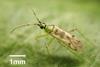
Researchers have revealed that the symbiotic bacterium Rickettsia induces strong cytoplasmic incompatibility (CI) in the predatory mirid bug, Nesidiocoris tenuis, which preys on agricultural pests such as whiteflies and thrips.