
All Infectious Disease articles – Page 14
-
 News
NewsChikungunya fever: Etiology, pathogenesis, and management, with evidence-based application of traditional Chinese medicine
Traditional Chinese medicine (TCM) offers complementary strategies for acute symptoms and chronic polyarthralgia in Chikungunya infection. A review synthesizes current knowledge on etiology, pathogenesis, clinical features, and management.
-
 News
NewsCommonly used drugs show small benefit for long Covid fatigue
Over-the-counter antihistamines and a prescription anti-inflammatory drug both have a small benefit in reducing long Covid fatigue among people receiving care from specialist long Covid clinics, according to new findings from a large clinical trial.
-
 News
NewsA bacterium capable of predicting the course of a disease
A research team made use of the bacterium’s natural capabilities without altering it genetically. Using plasma samples from patients with COVID-19, they were able to distinguish patients likely to develop a mild form of the disease from those at risk of progressing to a severe form.
-
 News
NewsHow immune cells in our gut mesentery fight salmonella
Researchers have found that immune cells in a portion of the abdominal cavity, called the mesentery, play a critical role in suppressing — or exacerbating — salmonella infection.
-
 News
NewsBiochar ‘switches on’ natural oxygen chemistry to suppress soil-borne pathogens and reshape healthier microbial communities
A new study reveals how specially prepared biochar can directly suppress a destructive soil-borne pathogen while helping rebuild a richer and more stable soil bacterial community.
-
 News
NewsBronchiectasis and NTM Research Registry data featured in four World Bronchiectasis Conference abstracts
The Bronchiectasis and NTM Association announced that research leveraging data from the Bronchiectasis and NTM Research Registry was featured in four abstracts presented at the World Bronchiectasis Conference.
-
 News
NewsNew study advances dry mRNA vaccine patch design
New research could help make future mRNA vaccines easier to store and distribute. The study identified conditions that help protect the particles that carry mRNA in dry vaccine patches, offering practical guidance for future patch design.
-
 News
NewsFighting the world’s deadliest infection with PAC-MAN and AI
Researchers have developed techniques that can speed up the search for better tuberculosis drugs. They first measure which chemical compounds are able to slip across the outer membrane and then use those measurements to predict other compounds that can get into the Mtb cell.
-
 News
NewsTuberculosis vaccine changes brain’s immune environment and Alzheimer’s biomarkers in older adults
A study shows that BCG vaccines can alter immune responses and amyloid-beta biomarkers in non-Alzheimer’s participants, which may help explain previously observed links to lower disease risk.
-
 News
NewsNew HIV vaccine shows unprecedented success in preclinical study
Scientists have developed an HIV vaccine that trains immune cells to see past HIV’s defenses. This HIV vaccine works by prompting the body’s immune system to make substantial numbers of rarely seen “broadly neutralizing” antibodies.
-
 News
NewsPreparing for Andes virus outbreaks to prevent transmission in healthcare settings
Researchers examined past cases to help healthcare facilities and public health agencies prepare for future Andes virus outbreaks like the one that caused a cruise ship outbreak earlier this year.
-
 News
NewsNo entry: Blocking viruses from entering cells
The Volkswagen Foundation funds a project by UdS, HIPS, and HZI to create an innovative platform for developing viral entry inhibitors—specifically targeting respiratory viruses and other viruses that pose a pandemic risk.
-
 News
NewsKorea University College of Medicine Vaccine Innovation Center selected to lead KDCA-funded hantavirus vaccine development project
The Vaccine Innovation Center at Korea University College of Medicine has been selected by the Korea Disease Control and Prevention Agency (KDCA) as the lead institution for a national hantavirus vaccine development project.
-
 News
NewsFeline fleas carry bacteria linked to human disease In South Texas, study finds
Researchers have identified the murine typhus pathogen in fleas found in the Rio Grande Valley, highlighting the importance of flea prevention for both pets and people.
-
 News
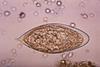
NewsResearchers call for increased screening for parasitic disease linked to HIV and cervical cancer risk
New research has highlighted the need to test millions of women and girls for female genital schistosomiasis (FGS), a neglected disease that can increase the risk of chronic illness, HIV and cervical cancer.
-
 News
NewsFrom infancy to old age, nationwide China study maps how serious lung infections change across life stages
An analysis of 695,142 hospitalized patients identifies eight life-stage pathogen profiles, three co-detection networks, and marked male predominance in bacterial and fungal infections.
-
 News
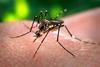
NewsPrize winner’s research reveals microbiota’s hidden role in in mosquito-borne disease
For his work in revealing the hidden role of the microbiota in mosquito-borne disease, Yibin Zhu is the winner of the 2026 Noster NOSTER & Science Microbiome Prize. Microbiota from both the hosts and vectors can either promote or suppress virus transmission, depending on where they act in the transmission cycle.
-
 News
NewsScripps Research scientists awarded $2M to advance global disease surveillance
Two Gates Foundation grants will expand wastewater surveillance and AI-driven disease monitoring to support faster public health responses worldwide.
-
 News
NewsCOVID’s lingering shadow faded after Omicron — but not for everyone
A long-term study of long Covid has found that whilst lingering symptoms became far less common after the Omicron variant arrived, some people have continued to experience health problems years after infection.
-
 News
NewsWhen parasites stop having sex, they may become less picky about their hosts
A new evolutionary theory suggests that some asexual parasites may temporarily be able to infect a wider range of hosts as harmful genetic mutations build up.