
A scientific review published in the NEJM Evidence journal, coordinated by the D’Or Institute for Research and Education (IDOR), evaluated outcomes of adults with community-acquired pneumonia (CAP) admitted to intensive care units (ICUs) in middle-income countries.
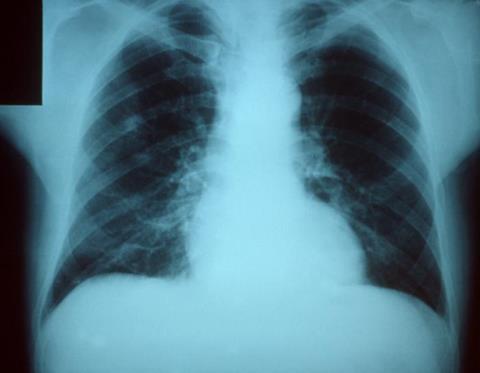
In contrast to high-income countries, where mortality ranges from 16% to 26%, the study found significantly higher rates in the countries analyzed. The work brought together 52 studies and approximately 48,707 patients, revealing an overall mortality rate of 37.1%, which increased to 59.3% among patients requiring respiratory support.
Community-acquired pneumonia (CAP) remains one of the leading causes of ICU admission in low- and middle-income countries, with mortality rates substantially higher than those observed in high-income nations, where outcomes are consistently more favorable.
Outcomes remain severe
Despite advances in clinical management and intensive care support, the study showed that outcomes have remained severe in non-wealthy countries even after two decades, particularly in settings with structural limitations. The authors emphasize that the high mortality observed cannot be explained solely by the individual severity of patients’ conditions, but also by systemic differences in healthcare access and quality of care.
“This study is important because it confirms, through data, the lack of consistent and structured information on severe community-acquired pneumonia in ICUs across low- and middle-income countries. Although it is the leading cause of medical ICU admissions worldwide, severe community-acquired pneumonia continues to present high mortality rates,” says the study’s first author, Dr. Melissa Pitrowsky, a physician at Copa D’Or Hospital and researcher at the Federal University of Rio de Janeiro (UFRJ).
How the study was conducted
The research followed rigorous international scientific quality standards and was registered in PROSPERO, the world’s leading database of systematic review protocols.
The studies included in the analysis were published over a 22-year period, from 2002 to 2024, and also underwent methodological quality assessment. In total, 52 studies involving 48,707 patients were analyzed, focusing on low- and middle-income countries and short-term mortality, either during ICU admission or within 30 days.
The results reinforce the contrast between healthcare systems. Overall mortality was 37.1% in the middle-income countries analyzed, remaining far above the rates observed in high-income countries, where outcomes for the same condition typically range from 16% to 26%. This disparity becomes even more pronounced in severe cases.
Among patients requiring mechanical ventilation, mortality reached 59.3% in the analyzed countries, approximately double the rates observed in high-income nations, where it is around 26%. These findings reinforce that respiratory support, although essential, is associated with far less favorable outcomes when provided in settings with limited ICU resources and infrastructure.
Study population
The study population had a mean age of 65.4 years, with men accounting for 60.8% of participants. The most frequent comorbidities were hypertension (38.7% of cases), chronic obstructive pulmonary disease (26.2%), and diabetes (20.9%).
The authors also highlight that advanced age and mechanical ventilation explain more than half of the variation in mortality outcomes across the studies, indicating that these are the main clinical determinants of prognosis regardless of country, although their effects are amplified in lower-income settings.
One of the study’s most relevant findings is the unequal distribution of available data. The analysis included studies from 18 countries, predominantly China, with 25 studies, and Brazil, with 6 studies, alongside other middle-income nations.
No studies from low-income countries met the applied methodological quality criteria, an absence that highlights a major gap in global scientific production on pneumonia in intensive care and limits a complete understanding of the disease burden in more vulnerable settings.
Consistent pattern
The body of evidence indicates a consistent pattern of worse outcomes for community-acquired pneumonia in ICUs as the income level of healthcare systems decreases. In low- and middle-income countries, mortality remains high, especially among older adults and patients requiring mechanical ventilation, whereas outcomes in high-income countries are significantly more favorable.
The authors attribute these disparities to structural factors such as delayed access to healthcare, late arrival of patients to intensive care services, limited resources, shortages of trained healthcare teams, and the lack of standardized clinical protocols.
Compounding this issue is the absence of systematic data on vaccination and prevention in the reviewed studies, which may also influence the observed outcomes given the well-established importance of vaccination in preventing and improving outcomes of community-acquired pneumonia (CAP).
Next steps
“Further studies are needed to support healthcare policies, resource allocation, staff training, and the adaptation of protocols to the realities of each region,” concludes the author, who is also part of IDOR’s Intensive Care Medicine research group.
The findings of the review reinforce the need to strengthen healthcare systems, expand early access to intensive care, and generate more representative data across all regions of the world.
Topics
- Clinical & Diagnostics
- community-acquired pneumonia
- D’Or Institute for Research and Education
- Disease Treatment & Prevention
- Diversity & Inclusion
- Economic Equality
- Federal University of Rio de Janeiro
- Infection Prevention & Control
- Infectious Disease
- intensive care units
- Medical Microbiology
- Melissa Pitrowsky
- mortality
- One Health
- Research News
- The Americas







No comments yet