
All Innovation News articles – Page 36
-
 News
NewsMarine algae implants could boost crop yields
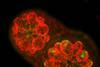
Scientists have discovered the gene that enables marine algae to make a unique type of chlorophyll. They successfully implanted this gene in a land plant, paving the way for better crop yields on less land. Source: Robert Jinkerson/Tingting Xiang/UCR Fluorescence image of coral Acropora juvenile polyps hosting the ...
-
 News
NewsDetection kit homes in on pathogen in baby formula
Researchers have unveiled a novel bioinformatics-based detection kit for identifying Cronobacter sakazakii in powdered infant formula, offering a more effective approach to detecting this pathogen, commonly linked to severe infant illnesses.
-
 News
NewsAlgae and bacteria boost production of green hydrogen and biomass while cleaning water
The mutual relationship between an algae and three bacteria presents the highest hydrogen production obtained so far by this type of consortium.
-
 News
NewsFaster and simpler point-of-care malaria test developed
Researchers have developed a rapid, accurate test for diagnosing malaria that is significantly faster and easier to use than traditional tests. The advancement has the potential to improve patient outcomes, especially in rural regions with limited health care resources.
-
 News
NewsResearchers propose ultrasonic power therapy for helicobacter pylori infection
Scientists have developed a nanoparticle-based sonodynamic therapy to reduce H. pylori infection in mice without disrupting gut microbiota.
-
 News
NewsStudy reveals potential flaw in operating room ventilation that increases risk of Covid infection
Simple modifications to ventilation systems improve airflow, making operations safer for both patients and surgical teams.
-
 News
NewsNew disease testing component facilitates lower-cost diagnostics
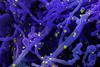
Biomedical researchers have developed a new, less expensive way to detect nuclease digestion – one of the critical steps in many nucleic acid sensing applications, such as those used to identify COVID-19 and other infectious diseases.
-
 News
News‘Artificial tongue’ detects and inactivates common mouth bacteria
Researchers have designed a chemical sensor array, or an artificial tongue, that distinguishes dental bacteria and can inactivate them.
-
 News
NewsBacterial biotechnology to remove phosphorus from wastewater given funding boost
A novel bio-based process able to remove and recover phosphorus from wastewater – developed by Cranfield University experts – has won almost half a million pounds of funding from OFWAT.
-
 News
NewsAI provides the most complete map of interactions key to bacterial survival
Researchers have produced the most complete map of the bacterial essential interactome, i.e. how proteins combine and interact to perform functions essential for their survival.
-
 News
NewsNew method detects pathogens faster and more accurately by melting DNA
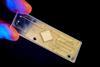
A new analysis method can detect pathogens in blood samples faster and more accurately than blood cultures, producing results in under six hours, whereas culture typically requires 15 hours to several days, depending on the pathogen.
-
 News
NewsScientists craft enhanced viral structure in VLP vaccines through polymer restructuring
Researchers reported a viromimetic polymer nanoparticle vaccine (VPNVax), crafted by rearranging the RBD proteins of the coronavirus and modifying them onto the surface of pre-assembled polyethylene glycol-polylactic acid polymer nanoparticles.
-
 News
NewsNanoparticles containing lupeol treat visceral leishmaniasis with scant side effects
In animal tests conducted at São Paulo State University (UNESP), the strategy reduced spleen and liver parasite numbers by 99.9%.
-
 News
NewsScientists engineer a coating for disease-free produce
A new wax coating technology bolsters the safety of fresh produce and provides enhanced protection against bacteria and fungi. This composite coating provides both immediate and delayed antibacterial effects, according to the article.
-
 News
NewsPlasma device is giant step forward to help treat chronic wounds that affect millions
A team of international scientists has developed a more effective treatment for chronic wounds that does not involve antibiotics or silver-based dressings, but an ionized gas called plasma. Source: University of South Australia The plasma activates oxygen and nitrogen molecules to treat wounds effectively. The treatment involves ...
-
 News
NewsResearchers are using RNA in a new approach to fight HIV
Scientists have developed a novel nanomedicine loaded with genetic material called small interfering RNAs (siRNA) to fight human immunodeficiency virus (HIV) using gene therapy.
-
 News
NewsVibrio natriegens offers low cost and low capital plasmid engineering
A proposed V. natriegens platform that doesn’t depend upon chitin to become competent can enable the democratization of synthetic biology, especially in education, the authors of a new study suggest.
-
 News
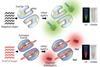
NewsResearchers develop economical tool to ID disease-causing pathogens
A team of researchers has developed a less expensive way to detect nuclease digestion – one of the critical steps in many nucleic acid sensing applications, such as those used to identify COVID-19.
-
 News
NewsResearch team creates novel rabies viral vectors for neural circuit mapping
Scientists have created 20 new recombinant rabies viral vectors for neural circuit mapping that offer significant advantages over existing tools, including the ability to detect microstructural changes in models of aging and Alzheimer’s disease brain neurons.
-
 News
NewsSynthetic antimicrobial molecule is highly effective against multidrug-resistant bacteria
Cresomycin – a novel synthetic molecule – demonstrates remarkably robust efficacy against multiple, evolutionary divergent forms of antimicrobial resistance (AMR), researchers report.