
All articles by Linda Stewart – Page 107
-
 News
NewsResearchers rescue antibiotics from resistance using phototherapy
Researchers have used phototherapy to inhibit a protein in E. coli bacteria that makes them resistant to antibiotics. This new method, if proven safe and effective in living organisms, holds promise for rescuing the effectiveness of antibiotics that bacteria have become resistant to.
-
 News
NewsResearchers identify why some people with HIV achieve remission after antibody treatment
Researchers have discovered why some people living with HIV who are given broadly neutralizing anti-HIV antibodies (bNAbs) can safely stop taking standard, lifelong HIV medications and maintain control of the virus for years, while others given the same treatment do not achieve this remission.
-
 News
NewsVIRE: a global data platform to better understand viruses
Researchers have released a comprehensive viral genome database covering diverse ecosystems to advance the understanding of viral evolution and ecosystem functions.
-
 News
NewsThe immune system creates its own targets within viruses
A new study reveals that our immune system does more than defend against viruses. In certain cases, it induces mutations within viruses that make them easier to recognize later on.
-
 News
NewsBridging controversy: New international guidelines redefine diagnosis and treatment of fungal eye infections
A global expert panel from the Asia-Pacific region has now issued 20 consensus statements providing comprehensive, evidence-based guidance for the diagnosis and management of a sight-threatening condition - fungal endophthalmitis.
-
 News
NewsPoint-of-care rapid tests can improve screening for latent tuberculosis
A new test shows promising results for detecting latent tuberculosis infection in resource-limited settings. Latent tuberculosis is often diagnosed using a laboratory test called QuantiFERON-TB Gold Plus - this was compared with another test, TB-Feron.
-
 News
NewsResearchers discover latent antimicrobial resistance across the world
A team of researchers has discovered that latent antimicrobial resistance is more widespread across the world than known resistance. They call for broader surveillance of resistance in wastewater.
-
 News
NewsMicroalgae could play key role in bio-based circular economy
With food systems under pressure from climate change, geopolitical instability, and supply chain vulnerabilities, the EU is driving innovation toward more sustainable, resilient, and local production models. Microalgae have emerged as a promising resource for producing ingredients across food, feed, and other consumer goods. Source: Hannah ...
-
 News
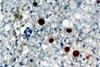
NewsMucosal virome and host transcriptome interactions reveal viral influence in colorectal polyp development
A new study has provided the first integrated mucosal virome-transcriptome landscape of colorectal polyps, the precursors of colorectal cancer, offering new insights into viral-host interactions at this early disease stage.
-
 News
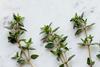
NewsPlant extracts show promise in reducing human pathogen risks in agricultural soils
A new study has revealed that natural plant extracts can significantly lower the risks posed by human bacterial pathogens in manure amended agricultural soils. The eco friendly strategy disrupts the communication systems that bacteria use to coordinate harmful activities.
-
 News
NewsA viral fitness-constraint strategy exploits the structural and functional limitations of viral evolution
Researchers have revealed two innovative strategies for the development of durable and broadly neutralizing antibodies against SARS-CoV-2. Their study proposes the immune trajectory strategy and the viral fitness-constraint strategy.
-
 News
NewsNew global guidelines streamline environmental microbiome research
A team of nearly 250 researchers from 28 countries has developed a new set of reporting guidelines for environmental microbiomes called STREAMS. The guidelines are organized by the structure of a scientific manuscript and help ensure that important details aren’t overlooked.
-
 News
NewsDynamic duo of bacteria could change Mars dust into versatile building material for first human colonists
Scientists are investigating a bacterial co-culture mixed with Martian regolith as a potential feedstock for 3D printing on Mars. At the intersection of astrobiology, geochemistry, material science, construction engineering, and robotics, this synergistic system could revolutionize the potential for construction on the Red Planet.
-
 News
NewsCorticosteroid use does not appear to increase infectious complications in non-COVID-19 pneumonia
A systematic review and meta-analysis found that adjunct corticosteroids probably reduce short-term mortality in cases of severe pneumonia and acute respiratory distress syndrome and may reduce secondary shock in severe pneumonia.
-
 News
NewsTreatment and prevention of HIV/AIDS: infectious disease experts talk unfinished business
As the world marks World AIDS Day, world-renowned infectious disease expert Anthony Fauci, MD, and Greg Folkers, MS, MPH, highlight advances made in the treatment and prevention of HIV, but caution ’History will judge us harshly should we squander this opportunity’.
-
 News
NewsLong-term HIV control: Could this combination therapy be the key?
A new study shows it may be possible to control HIV without long-term antiviral treatment — an advance that points the way toward a possible cure for a disease that affects 40 million people around the world.
-
 News
NewsCan a synthetic compound help plants recruit beneficial bacteria?
Researchers examining how a DMA analog called proline-2’-deoxymugineic acid (PDMA) influences the rhizosphere microbiome of peanut plants found that PDMA increased the abundance of beneficial microbes, particularly those within the phylum Actinobacteria.
-
 News
NewsMeasles deaths down 88% since 2000, but cases surge
Global immunization efforts have led to an 88% drop in measles deaths between 2000 and 2024, according to a new report from the World Health Organization (WHO). Nearly 59 million lives have been saved by the measles vaccine since 2000.
-
 News
News Lack of dietary iron may impair immune cells’ ability to fight influenza
New research suggests that a lack of dietary iron can negatively affect the ability of immune cells to respond to viral infection in the lungs. In mice with dietary iron deficiency and influenza, immune cells struggled to produce a key signal needed to fight viruses and did not regain this ability.
-
 News
NewsNew prevention tools and investment in services essential in the fight against AIDS
On World AIDS Day, the World Health Organization (WHO) calls on governments and partners to rapidly expand access to new WHO-approved tools including lenacapavir (LEN) to drive down infections and counter disruption to essential health services caused by cuts to foreign aid.