
All articles by Linda Stewart – Page 103
-
 News
NewsReceptors in mammary glands make livestock and humans inviting hosts for avian flu
A new study shows that the mammary glands of several other production animals besides cows – including pigs, sheep, goats, beef cattle and alpacas – are biologically suitable to harbor avian influenza, due to high levels of sialic acids.
-
 News
NewsNew review reveals how microbial communities accelerate the global spread of antibiotic resistance
A new scientific review has uncovered how complex microbial communities, including those in the human gut and the natural environment, act as powerful engines that drive the evolution and spread of antimicrobial resistance.
-
 News
NewsIncreased risk of severe bacterial infection after high teenage BMI
High BMI and poor physical fitness during later adolescence increase the risk of both contracting and dying from sepsis and other severe bacterial infections in adulthood, according to a study.
-
 News
NewsHow polyphenol-rich diets promote healthy aging through microbiome and metabolome modulation
New findings suggest that polyphenol-rich diets can serve as a simple, safe, and effective nutritional strategy to counteract inflammation and support healthy aging.
-
 News
NewsInstitutions team up to advance first AI-designed mRNA vaccine against deadly tick-borne disease
Scientists are developing what could become the world’s first mRNA vaccine against severe fever with thrombocytopenia syndrome (SFTS)—a tick-borne viral disease associated with this condition.
-
 News
NewsEverolimus alleviates ulcerative colitis via inflammation suppression and microbiota remodeling
A new study reveals how targeting the CLEC4E receptor and reshaping the gut metabolite axis offers a promising therapeutic avenue for inflammatory bowel disease.
-
 News
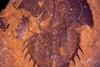
NewsHorseshoe crab fossil reveals early mass-burial event and ancient microbial attack
A remarkably preserved horseshoe crab fossil from North America offers rare insight into some of the earliest known cases of animal disease in a Late Carboniferous swamp – more than 300 million years before the age of dinosaurs.
-
 News
NewsCARB-X to support investigation of Exhalon’s breath-based lower respiratory tract infection testing platform
CARB-X has awarded Exhalon US$1M in seed funding to evaluate whether exhaled breath can be used as a non-invasive sample type to aid in the rapid and accurate diagnosis of lower-respiratory tract infections (LRTIs).
-
 News
NewsParasitic fungus may have emerged 18 million years before the ants with which it lives today
An analysis of 309 strains indicates that the genus Escovopsis emerged 56.9 million years ago, but only began interacting with today’s mutualistic ants 38 million years ago, challenging the theory that they all emerged at the same time.
-
 News
NewsStudy suggests that chlorine treatment may impact the risk of legionnaires’ disease
Preliminary results of a nationwide study suggest that the disinfectant used to treat water before it is distributed through pipes may impact the incidence of Legionnaire’s disease in certain parts of the country.
-
 News
NewsHow did Bronze Age plague spread? Ancient sheep might solve the mystery
Researchers have found the first evidence of a Bronze Age plague infection in a non-human host. The scientists discovered Y. pestis DNA in a 4,000-year-old domesticated sheep from Arkaim, a fortified settlement located in the Southern Ural Mountains of present-day Russia.
-
 News
NewsInside the gut: What our poo could tell us about our diet, gut microbes and health
Researchers have found that molecules in stool samples can accurately reflect what people eat and how their gut microbiome responds, offering a potential new tool to study nutrition and its impact on health.
-
 News
NewsStudy reveals how bacteria resist hostile attacks from rival bacteria
When attacked by bacteria from a different species, Pseudomonas rapidly assembles the type VI secretion system (T6SS) – to inject its aggressor with a toxic cocktail. A new study probes how Pseudomonas can strike back when it has already been hit by a deadly cocktail itself.
-
 News
NewsStudy unlocks the key microbes contributing to postnatal growth retardation
Postnatal growth retardation (PGR) has a high incidence during early postnatal development of piglets and humans. Researchers have found that hindgut-enriched Methanobrevibacter smithii compromises the weight gain in the pig PGR model.
-
 News
NewsTuberculosis: Scientists develop novel drug candidate for combating resistant pathogens
Researchers have developed a promising new substance for targeting bacteria that cause tuberculosis. The team have produced a compound that inhibits the pathogens’ ability to produce energy and causes them to die.
-
 News
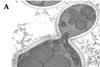
NewsYeast cell factory developed to convert methanol into L-lactate
Researchers developed a yeast cell factory to produce L-lactate from methanol as the sole carbon source, and evaluated the commercial potential and environmental impacts of this bioprocess.
-
 News
NewsOld molecules show promise for fighting resistant strains of COVID-19 virus
SARS‑CoV‑2 continues to mutate, with some newer strains becoming less responsive to current antiviral treatments like Paxlovid. Now, researchers have identified several promising molecules that could lead to new medications capable of combating these resistant variants.
-
 News
NewsNew study reveals how natural humic substances reshape soil carbon cycling and boost antibiotic resistance
Researchers have uncovered surprising links between natural humification processes in soil, carbon metabolism, and the spread of antibiotic resistance. Subtle shifts in the composition of humic substances can reshape microbial metabolism and alter the abundance of antibiotic resistance genes.
-
 News
NewsHow can nursing homes protect more patients from infections?
New US national guidance calls for full-time infection prevention staff; more training, support and vaccination for all staff; and partnerships with hospitals and public health agencies.
-
 News
NewsAFYREN and ESSE Skincare begin partnership to offer 100% natural cosmetic solutions with enhanced skincare performance
AFYREN, a greentech company offering manufacturers biobased, low-carbon ingredients through a unique fermentation technology, and South Africa-based Esse Skincare, a leader in microbiome skincare science, are partnering to introduce the world’s first bio-based propionic acid for the skincare industry.