
All articles by Linda Stewart – Page 31
-
 News
NewsNew fluorescent nanosensor enables first-of-its-kind detection of key gut health biomarker
Researchers have developed a novel fluorescent nanosensor capable of rapidly detecting indole-3-propionic acid (IPA), an emerging biomarker linked to gut health and disease. The sensor produces a rapid optical readout within minutes, offering a significantly faster and more accessible alternative to conventional analytical techniques.
-
 News
NewsOne simple trick makes zebrafish a better model for microbiome research
A new advance in animal husbandry involving a popular aquarium fish should speed the pace of discovery in laboratory studies of host-microbe interactions, researchers report.
-
 News
NewsBehind the diagnosis: How laboratory testing guided a complex histoplasmosis case
A diagnosis of histoplasmosis forced a teenager with juvenile arthritis onto an uncertain path, one defined by months of treatment, recovery, and a long-term course of antifungal therapy expected to last up to three years. Histoplasma capsulatum, a dimorphic fungus that causes histoplasmosis, found its way into her lungs.
-
 News
NewsSaltier soils may help biochar last longer, new study finds
Researchers found that higher soil salinity can slow the aging of biochar, helping it retain more carbon-rich, aromatic structures while reducing microbial colonization, especially by fungi.
-
 News
NewsPost-discharge antibiotics may offer limited benefit after pediatric appendicitis
Acute appendicitis is one of the most common surgical emergencies among children, and complicated acute appendicitis (CAA), including perforated or gangrenous disease, carries a higher risk of infection and longer hospitalization. While intravenous antibiotics during hospitalization are standard practice, the role of oral home antibiotics (OHA) after discharge remains controversial. ...
-
 News
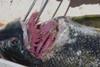
NewsStarvation triggers reversible epigenetic changes in fish pathogen
What happens to a bacterial pathogen when food runs out—for several months? A new study reveals that Flavobacterium columnare, a deadly aquatic pathogen responsible for columnaris disease in fish, does not change its DNA sequence during prolonged starvation. Instead, it remodels its epigenetic landscape.
-
 News
NewsPrecigen presents new long-term durability data for PAPZIMEOS, recently granted seven-year market exclusivity
Precigen, Inc. has announced updated long-term follow-up data from the pivotal study of PAPZIMEOS™ (zopapogene imadenovec-drba) for the treatment of adults with recurrent respiratory papillomatosis (RRP).
-
 News
NewsNew analysis confirms benefits of childhood flu vaccines
Pediatric flu vaccines significantly reduce the number of childhood cases of influenza, new research confirms. The findings show that for every 100 children vaccinated, between nine and 14 fewer children catch the flu.
-
 News
NewsProtection for newborns: New treatment aims to prevent meningitis without antibiotics
One of the leading pathogens responsible for meningitis cases in newborn babies is the K1 form of the E. coli bacterium. Now, researchers have developed a triple-pronged approach that seeks to prevent transmission to newborns.
-
 News
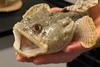
NewsNew study suggests fish gut microbe helps regulate ocean health
New research reveals a potential link between the gut microbes of a fish and global ocean processes, offering new insight into how marine ecosystems help regulate ocean chemistry and the marine carbon cycle.
-
 News
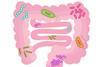
NewsScientists clarify the interplay between host and gut microbiota in selenium metabolism
In a recent study, researchers used rats to investigate how gut microbiota and the host jointly manage selenium metabolism. They found that gut microbiota actively transform selenium into various metabolites that influence selenium utilization, detoxification, and excretion, and that the host’s selenium intake affects bacterial diversity.
-
 News
NewsResearch shows plants such as canola, tomatoes and rice reduce iron uptake when stressed by drought
New research has found that plants, ranging from canola to rice to tomatoes, actively shut down their own ability to take up iron when they experience drought. The study questions whether plants send out a ‘cry for help’ when they are stressed by drought to recruit beneficial soil microbes in their roots.
-
 News
NewsResearchers discover tick protein that may block disease transmission
Researchers have found that ticks produce an exosomal glycine-rich protein that plays a vital role in helping ticks feed and transmit viruses. When they used genetic tools to silence the gene responsible for this protein, ticks lacking the protein struggled to feed effectively and showed reduced body weight after feeding.
-
 News
NewsProtective soybean seed fungicide treatment may not increase profitability
Researchers analyzed how seed treatments affect yield and profitability in soybean farms in the Midwest and found that yield gains were modest and often did not offset the added cost of the treatment. Additionally, financial benefit was likely only when seed treatment costs were low and soybean prices were high.
-
 News
NewsHealth researchers call for support to develop pandemic prevention
The Vanderbilt Center for Antibody Therapeutics has received large-scale government grants and contracts to fund the discovery of human antiviral antibodies. The problem is the next step — finding corporate partners to develop the antibodies through human testing.
-
 News
NewsSkin-to-skin care may save newborn lives
Kangaroo mother care, first introduced as an alternative to insufficient incubator care, combines skin-to-skin contact, exclusive breastfeeding, early discharge, and follow-up support. A new review case makes the case for treating iKMC not as an optional add-on, but as a core part of neonatal care for eligible preterm and low-birth-weight infants.
-
 News
NewsSoil scientist awarded $1.6 million NSF grant to study ‘living skin’ of arid ecosystems
A soil scientist has received a $1.6 million, five-year grant from the U.S. National Science Foundation (NSF) to fund her team’s study of how increasing temperature fluctuations impact the biocrust microbiome — the complex, thin-layer microbe community that stabilizes soil, fixes nitrogen and drives nutrient cycling in drylands.
-
 News
NewsResearchers aim to improve access to high-quality research and biomanufacturing tools in resource-limited settings
Researchers have demonstrated the effectiveness of a suite of low-cost, portable biotechnology tools designed to improve access to laboratory research and diagnostics in resource-limited settings.
-
 News
NewsScientists turn microalgae waste into high-performance membranes for cleaner municipal wastewater
A new study reports a sustainable membrane technology that converts microalgae-derived biochar into an advanced material for municipal wastewater treatment, offering a promising route to cleaner water and waste valorization.
-
 News
NewsNot all biochar is equal: New perspective calls for clearer claims in carbon removal and soil health
A new perspective warns that biochar’s long-term carbon storage potential and its soil improvement benefits should not be treated as the same thing. Clearer communication is urgently needed as biochar becomes a major player in voluntary carbon markets and climate mitigation strategies.